The Importance of Art as an Expressive Outlet for Children and Adolescents
Understanding the Impact of Art on Young Minds
Art serves as a crucial expressive outlet for children and adolescents, providing a unique mechanism for self-discovery and emotional expression. In today’s fast-paced world, where communication often occurs through screens, art stands out as a tangible way for young individuals to articulate their inner thoughts and feelings. Unlike digital conversations that may lack depth, artistic practices encourage a more profound engagement with oneself and the environment.
Engaging in artistic activities can lead to numerous benefits, including:
- Emotional Expression: Art allows children to convey their emotions without the constraints of verbal communication. For example, a child who may struggle to articulate feelings of sadness or anxiety can paint their emotions, creating a visual representation that provides insight into their internal struggles.
- Cognitive Development: Creative tasks enhance problem-solving skills and critical thinking. Studies reveal that students who participate in arts education demonstrate improved focus and creativity, which translates into better performance in subjects like math and science.
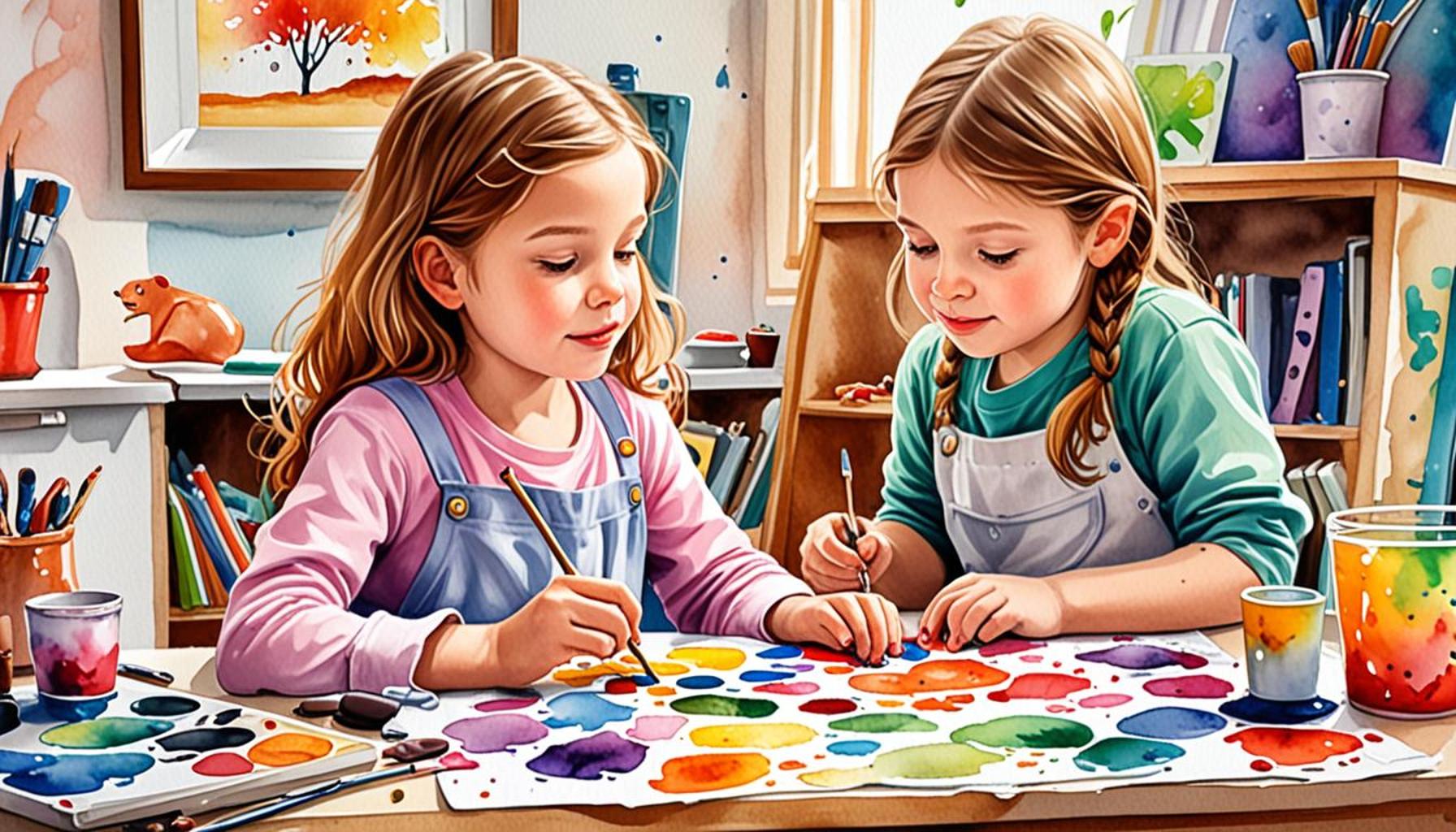
- Social Connection: Collaborative art projects foster teamwork and social interaction. Programs such as community mural projects in urban areas invite young people to work together, fostering a sense of community and shared purpose, while also enhancing their communication skills.
- Cultural Awareness: Exposure to various art forms broadens perspectives and encourages appreciation of diversity. Through programs highlighting the art and traditions of different cultures, young individuals develop empathy and a broader understanding of the world around them.
Moreover, research indicates that participating in the arts can even improve academic performance. For instance, a study by the Arts Education Partnership found that students involved in music and visual arts often achieve higher grades and standardized test scores compared to those who do not engage in such activities. Schools across the United States, like the Durango Arts Center in Colorado, emphasize the importance of arts education, showcasing improvements in student morale and academic outcomes by integrating art into the curriculum.
As children and adolescents navigate the challenges of growing up, the arts not only provide a sanctuary for their thoughts but also shape their identities. Through artistic exploration, young people can discover their unique voices, which may influence their future career paths or hobbies. In a society increasingly focused on technology, it’s essential to underscore the significance of nurturing artistic expression for the development and well-being of the younger generation.
In conclusion, fostering an environment that values art can lead to well-rounded individuals equipped with the emotional intelligence and cognitive skills necessary to thrive in today’s complex world. By investing in arts education and opportunities, communities can ensure that future generations are not just consumers of technology but also creative thinkers and empathetic citizens.
DON’T MISS: Click here to discover DIY decoration tips
Art: A Catalyst for Emotional Growth
At the core of childhood and adolescence lies the critical task of understanding and expressing emotions. Art acts as a powerful catalyst for emotional growth, allowing young individuals to explore their feelings in an environment free from judgment. Through various art forms—be it painting, music, theater, or dance—children and adolescents can delve into the complexities of their emotional landscapes, ultimately leading to greater self-awareness and resilience.
This unique form of expression encourages young people to confront feelings they might not yet have the words to articulate. For instance, a teenager grappling with feelings of isolation may find solace in creating a powerful piece of visual art that symbolizes their emotional state. Such activities enable them to process these feelings in a tangible way, promoting healing and understanding. Moreover, art can serve as a bridge connecting individual experiences to universal themes, letting young creators see that their feelings are not isolated but can resonate with others.
The Therapeutic Benefits of Artistic Expression
Numerous studies highlight the therapeutic benefits of art in childhood development. Research by the National Endowment for the Arts shows that children engaged in arts instruction are more likely to exhibit enhanced mental health outcomes. For example, participating in art programs has shown significant reductions in symptoms of anxiety and depression among youth. The process of creating art provides a means for expression that can alleviate stress and promote emotional regulation.
Furthermore, the structure of art classes can instill a sense of routine and stability which is vital during turbulent developmental years. The activities foster discipline and patience as children learn to refine their skills, whether they are developing their painting techniques or understanding the complexity of musical compositions. This structured approach breeds a sense of accomplishment, boosting self-esteem and confidence, crucial elements in any child’s growth.
Building Relationships Through Collaborative Art
Art also facilitates interpersonal connections among peers. Collaborative projects, such as group murals or theatre productions, not only ignite creativity but also encourage teamwork and communication. Collaboration in art creates a sense of community, allowing children to negotiate ideas, share responsibilities, and celebrate collective achievements. This camaraderie is especially beneficial for adolescents, who are often navigating the social complexities inherent in their age group.
Participation in community art initiatives helps build social networks, fostering an inclusive environment that resonates with the diverse backgrounds of young individuals. As a result, children and adolescents develop a sense of belonging that is transformative during their formative years. The magic of art lies not just in the creation itself but in the connections it forges, making it a truly indispensable tool for social development.
In conclusion, recognizing and promoting the importance of art as an expressive outlet can significantly enhance emotional well-being among children and adolescents. By embracing and integrating artistic experiences in educational settings and communities, we lay the groundwork for happier, healthier, and more resilient future generations.
Art serves not merely as a creative endeavor but as a vital channel for children and adolescents to articulate their feelings and thoughts. In a world where emotions can often feel overwhelming, engaging in artistic activities enables young individuals to harness their creativity and express experiences that might be too complex to convey through words. This expressive outlet fosters both emotional intelligence and self-awareness, crucial components of mental health.
Participation in art also encourages critical thinking and problem-solving abilities. When children experiment with different mediums—be it painting, sculpting, or digital art—they learn to navigate challenges, make decisions, and reflect on their work. These skills transfer beyond the realm of art, paving the way for academic and social success. Parents and educators can play a significant role by promoting art as a valid form of communication, supporting children in their creative efforts, and creating environments where they feel free to explore their artistic inclinations.
Moreover, the act of creating art often leads to a therapeutic experience. Studies have shown that engaging in art can reduce anxiety and stress, allowing children to process difficult emotions such as grief, anger, and confusion. Creating art cultivates resilience, encouraging adolescents to develop coping strategies that will serve them throughout their lives. Art can act as a mirror, reflecting inner complexities back at the individual, providing clarity and deeper understanding.
As we delve into the realm of expressive art, it’s vital to recognize its role in enhancing social connections. Art can promote collaboration among peers, fostering a sense of community and belonging. Group projects, art clubs, or workshops not only enhance social skills but also teach children about empathy and cooperation. By engaging in art with others, young individuals learn to appreciate diverse perspectives, enriching their understanding of the world around them. In this sense, art is not only a personal journey but a shared experience that brings people together.
| Type of Expression | Benefits of Art for Youth |
|---|---|
| Visual Arts | Enhances creativity and self-expression. |
| Performing Arts | Boosts confidence and social skills through collaboration. |
Furthermore, exploring mixed media and multidisciplinary approaches can ignite new forms of expression, allowing children and adolescents to discover their unique voice. The exploration of diverse artistic forms nurtures their ability to convey feelings and ideas in innovative ways. In this journey, parental and community support remains critical for sustaining interest and enthusiasm in artistic pursuits.
In closing, it’s essential to appreciate how art acts as a bridge connecting emotional and cognitive development for young individuals, fostering resilience and creativity in their formative years. Through the power of art, children and adolescents not only tell their stories but also shape their identities, allowing them to navigate the complexities of growing up in a rapidly changing world.
DISCOVER MORE: Click here for inspiring DIY projects
Art as a Tool for Identity Exploration
As children transition into adolescence, they embark on a journey of identity exploration. This is a critical period when young individuals assess who they are and who they wish to become. Art serves as a profound tool for identity exploration, allowing them to express themselves creatively while grappling with complex aspects of their identity, including cultural, social, and personal influences.
Through artistic expression, adolescents can explore and affirm their cultural backgrounds, beliefs, and values. For example, a young artist might create a series of works that reflect their heritage or address issues related to their community. This not only fosters pride in their identity but also helps them process and challenge societal norms. Various programs across the United States, such as the Young Artists Program, offer platforms where youth can showcase their distinct cultural narratives through art, allowing for broader community engagement and dialogue.
Fostering Critical Thinking and Problem-Solving Skills
Engaging with art also cultivates essential cognitive skills, including critical thinking and problem-solving. When children and adolescents create art, they are regularly faced with choices that require analysis and experimentation. For instance, a young painter might need to decide what color palette expresses their feelings most effectively or how to convey a particular narrative through visual elements. Such experiences develop their ability to approach problems creatively and to see multiple perspectives.
Beyond the individual experience, art education in schools supports interdisciplinary learning. Studies indicate that schools that incorporate arts education see improvements not only in artistic skills but also in academic areas such as mathematics and literacy. This suggests that the cognitive abilities developed through artistic projects can transfer to other subjects, enriching the overall educational experience.
Art in the Digital Age: Expanding Horizons
The rise of digital technology has revolutionized how children and adolescents engage with art. With access to a plethora of artistic tools online, young creators can express themselves in innovative ways through digital painting, animation, and multimedia art. Digital platforms enhance collaboration and sharing, allowing young artists to connect with peers globally, providing an expanded view of the world and fostering cross-cultural understanding.
Social media also plays a pivotal role in this digital transformation. Platforms like Instagram and TikTok have become vital spaces for artistic expression, where young people can share their work with a wider audience, receive feedback, and feel validated in their creative endeavors. This influx of external engagement can boost a young person’s motivation and reinforce their artistic ambitions, ultimately contributing to a more profound sense of belonging and identity. These platforms can serve as a stepping stone for future opportunities in the arts, further encouraging sustained interest and exploration in creativity.
As the digital landscape continues to evolve, it is essential to recognize the potential challenges that come alongside these new mediums. However, guidance from educators and mentors can help youth navigate these platforms, ensuring that their artistic expression remains reflective of their true selves while promoting healthy interactions.
DISCOVER MORE: Click here to delve deeper
Conclusion: The Transformative Power of Art
In a world where children and adolescents navigate the complexities of growing up, art serves as an invaluable expressive outlet that fosters personal development and emotional well-being. The exploration of identity through artistic endeavors allows young people to connect with their cultural roots while also challenging societal norms. Through creative expression, they not only affirm who they are but also communicate their unique perspectives to the world.
The integration of art into educational settings significantly enhances critical thinking and problem-solving skills, empowering youth to approach challenges creatively. As they experiment with various forms of art, they learn to analyze situations from multiple viewpoints, a skill that extends beyond the realm of creativity into academic and social contexts. Furthermore, the digital revolution has broadened horizons, enabling easy access to artistic tools and platforms. This accessibility fosters collaboration, cultural exchange, and a sense of community among young creators, reinforcing their confidence and promoting a sense of belonging.
Given these profound benefits, it is essential for parents, educators, and policymakers to champion the importance of arts education and provide ample opportunities for artistic exploration. By prioritizing art as a key component of childhood and adolescent development, we not only support individual creativity but also nurture the next generation of critical thinkers and engaged citizens. The journey through art has the potential to shape healthy, well-rounded individuals, and investing in this expressive outlet will yield lasting positive effects on society as a whole. As we move forward, let us ensure that every child and adolescent has the chance to explore and celebrate their creativity through art.