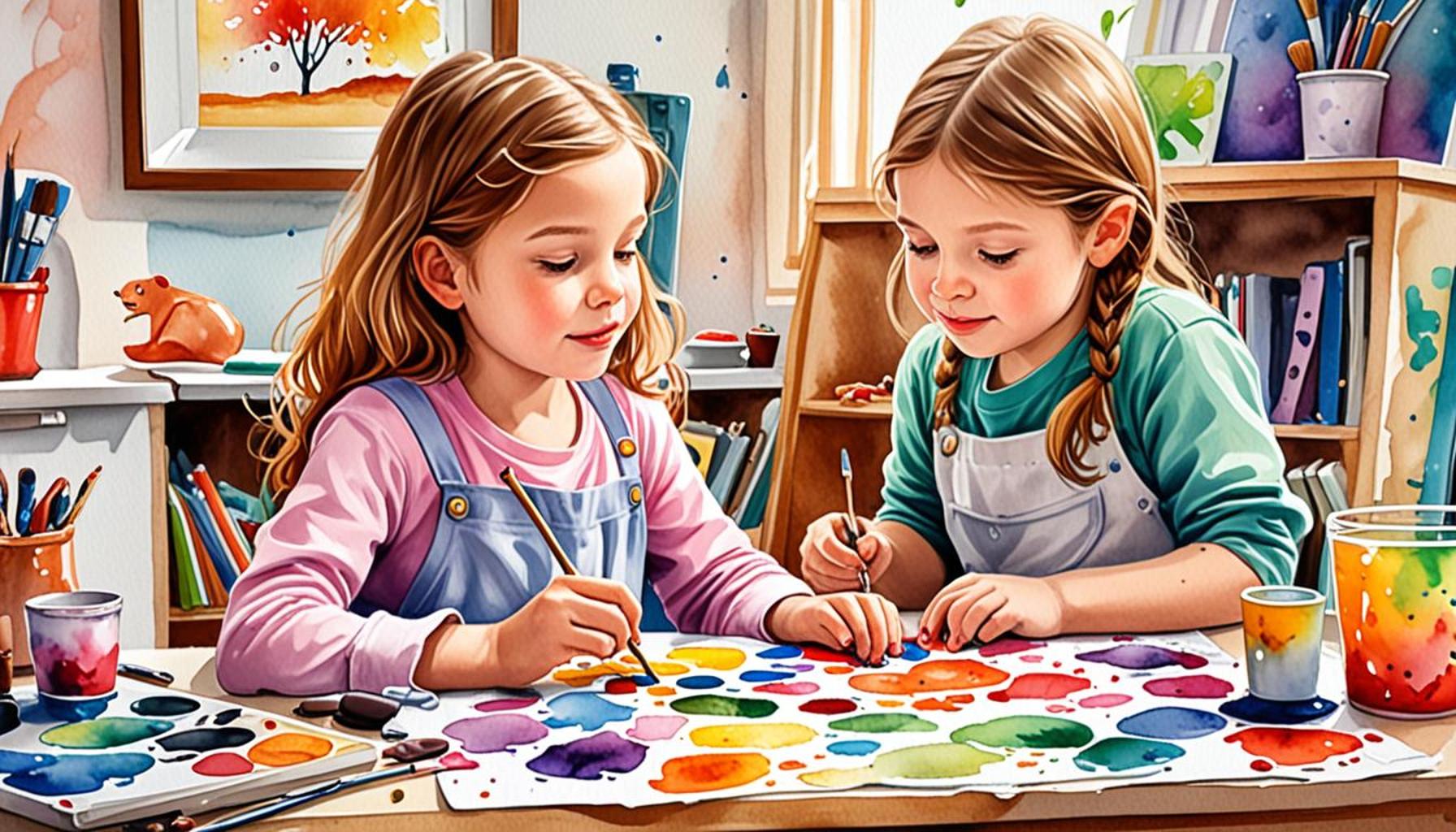
Gardening as a Form of Art: Cultivating Creativity and Connection with Nature
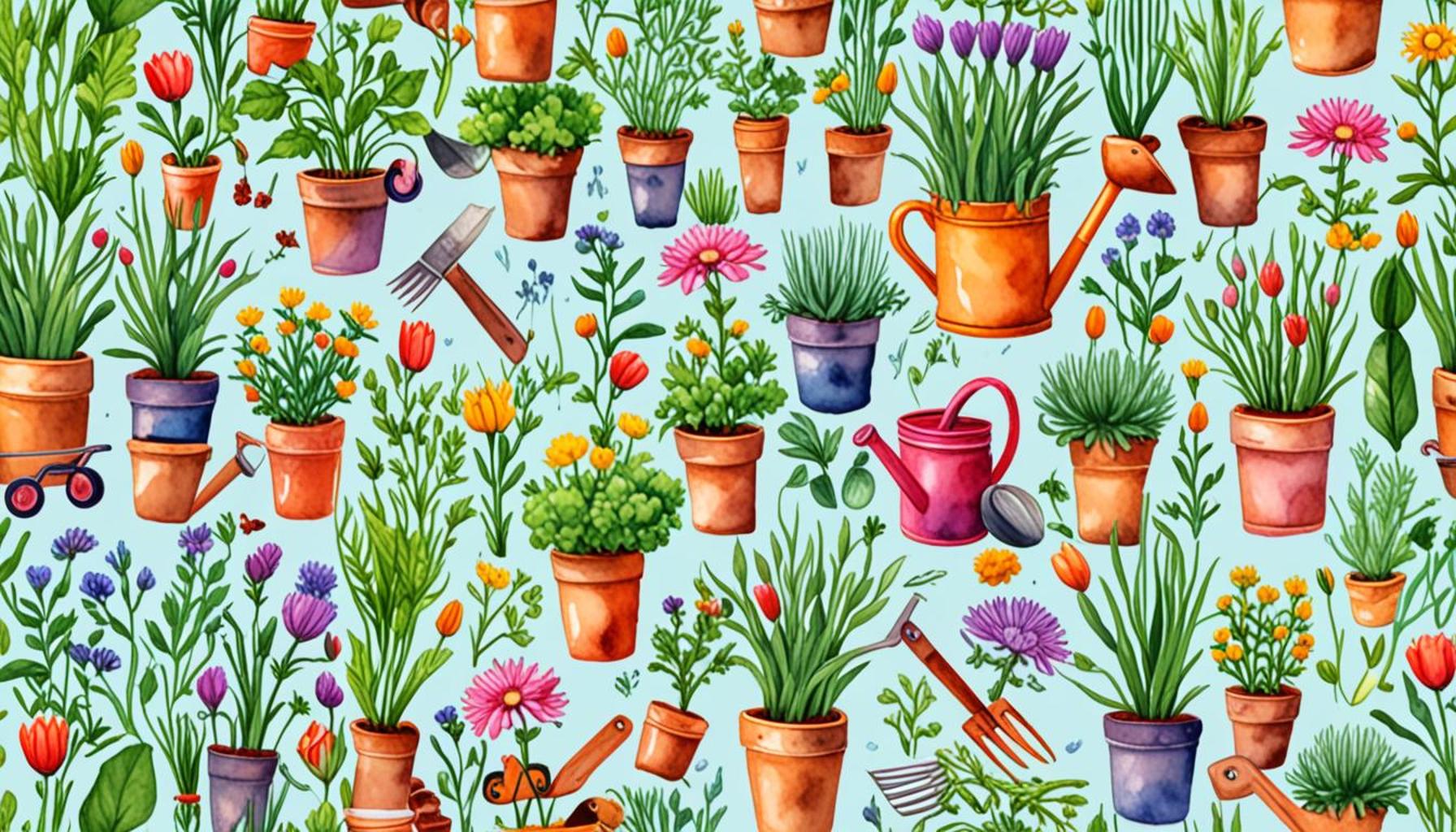
A Vibrant Form of Artistic Expression
When one thinks of art, images of paintings and sculptures often come to mind. However, gardening serves as a unique and vibrant form of artistic expression. This form of creativity transcends traditional boundaries, offering a sanctuary for individuals to project their imaginative flair onto the living canvas of nature.
The artistry in gardening can manifest in several ways, particularly through:
- Design – The layout of a garden can reflect personal style and vision. For example, a symmetrical garden may echo classical designs, while a wildflower patch celebrates spontaneity. The incorporation of pathways, raised beds, and focal points, like a striking fountain or an ornamental tree, can enhance the overall aesthetic.
- Color – Harnessing the natural palette of flora allows gardeners to create vibrant displays. The seasonal transitions from bright spring blooms, like tulips and daffodils, to the warm oranges and reds of autumn leaves offer a spectrum of colors throughout the year. Selecting complimentary colors or using contrasting shades can evoke different moods, turning every garden into an ever-changing masterpiece.
- Texture – Texture plays a crucial role in adding visual and tactile interest to a garden. For instance, combining soft, feathery ferns with sturdy succulents can create a striking contrast that is both visually appealing and inviting to touch. The varying heights and forms of foliage not only enrich the landscape but also encourage exploration.
Furthermore, gardening fosters a meaningful connection with nature. By planting a seed or nurturing a sapling, individuals engage with the elements and rhythms of the environment. This interaction encourages a greater appreciation for the intricate ecosystems that thrive in their backyards, from the pollinators visiting flowers to the beneficial microorganisms in the soil.
Through gardening, one can gain insights into:
- Seasons – Observing the cycles of growth and dormancy offers profound lessons in resilience and patience. Understanding that winter rest allows for a burst of life in spring can inspire one to embrace life’s ebb and flow.
- Biodiversity – A garden that includes a variety of plant species supports local wildlife and contributes to environmental health. Planting native species, such as coneflowers or black-eyed Susans, not only decorates the landscape but also attracts beneficial pollinators like bees and butterflies.
- Soil Health – Deepening one’s understanding of the life-supporting foundation of any garden leads to healthier plants and a more vibrant ecosystem. Practices such as composting, mulching, and crop rotation can dramatically improve soil quality while promoting sustainability.
As more individuals turn to gardening, not only for sustenance but as a source of joy and relaxation, the artistry involved in this practice emerges more clearly. Across the United States, community gardens and urban green spaces are becoming increasingly popular, highlighting the need for green oases amidst concrete jungles.
This exploration into gardening cultivates not just beauty but also deep life lessons that bridge creativity and nature. The act of gardening serves to nurture both the artist and the environment, reminding us that we are part of a larger ecological tapestry, where every flower planted tells a story and every harvest shared fosters community.
DISCOVER MORE: Click here to dive into the world of music and dance
Embracing the Masterpieces of Nature
Creating a garden is akin to painting a masterpiece, where the canvas is a patch of earth and the colors are derived from the vibrant hues of plants and blooms. Every gardener has the opportunity to unlock their creativity through the choices they make in design, plant selection, and arrangement. As creative expression flourishes within the soil, gardeners can harness their imagination, crafting not only their own personal oasis but also contributing to the landscape of their community.
The journey of gardening as an art form begins with design principles. A well-planned garden is often rooted in fundamental design ideas like balance, scale, and unity. Gardeners can choose to create harmony through repeating plant species or shapes, while the inclusion of contrasting elements can spark visual intrigue. Aspects to consider include:
- Pathways – These can guide visitors through the garden, offering a sense of discovery and anticipation as they navigate various sections, whether it’s a winding path leading to a meditation corner or a bold geometric pattern that mirrors the architecture of a home.
- Focal Points – Strategically placed elements, such as a statue, unique plant, or water feature, can pull the eye into a specific section of the garden, providing a visual anchor and reigniting the viewer’s curiosity.
- Seasonal Changes – Embracing the seasons by selecting plants that bloom at different times can create a dynamic and evolving landscape. This not only keeps the garden visually exciting but also symbolizes the passage of time—an artful reminder of growth and rejuvenation.
Color theory is another critical aspect of gardening as art. The ability to combine different shades and tones can dramatically affect the garden’s ambiance. Color can impart certain feelings; for instance, warm colors like reds, oranges, and yellows evoke feelings of warmth and cheer, while cooler colors such as blues and purples create a calming effect. Passionate gardeners often experiment with complementary and contrasting colors, producing striking arrangements that captivate the senses and invite deeper interactions with nature.
Moreover, the textural diversity found in plant arrangements adds to the artistic allure of a garden. Texture can be achieved through a mix of leaf shapes, sizes, and plant forms. By pairing rough, coarse-textured plants with softer, more delicate varieties, gardeners can create a multi-dimensional experience that tantalizes the touch as well as the eye. Such combinations not only create visual interest but encourage visitors to explore and experience the garden in tactile ways.
The relationship between gardening and art transcends mere aesthetics; it goes deeper into the emotional and psychological threats that gardening weaves into the human experience. As gardeners dig into the earth, they develop a sense of ownership and responsibility, cultivating not only plants but also their own sense of wellbeing and connection to the natural world. By engaging with gardening as an art form, individuals open themselves to the rhythm of life, learning to appreciate the ephemeral beauty that exists in the cycles of planting, growth, and harvest.
Exploring the Artistic Dimensions of Gardening
Gardening transcends mere planting and maintenance; it is, at its core, a vibrant canvas for artistic expression. The interplay of colors, textures, and forms in a garden creates an unfolding masterpiece that changes with the seasons. As you design and curate your garden, you engage in a profound artistic process that invites both creativity and reflection. Whether it’s selecting the right combination of flowers or arranging plants in a way that narrates a story, every decision contributes to the overall aesthetic of the space.Moreover, gardening serves as a connection to nature that is both personal and communal. Engaging in this art form fosters a deep appreciation for the environment and cultivates mindfulness. As you become attuned to the cycles of growth and decay, you develop a deeper understanding of the life forces that surround you, encouraging a greater respect for nature. The simple act of nurturing a plant teaches patience and diligence, emphasizing that beauty often requires time and care to flourish.
Benefits of Gardening as an Art Form
By viewing gardening through an artistic lens, practitioners are encouraged to innovate and experiment. This creative liberty is not just therapeutic but also instills a sense of purpose. Community gardens and shared green spaces foster collaboration, bringing individuals together and strengthening social ties. These communal projects further highlight the role of gardening as a form of art that inspires collective action toward beautifying shared environments.To delve deeper into the relationship between gardening and creativity, one can explore various design methods, such as landscape painting techniques or the integration of sculptures within garden spaces. This intersection between gardening and art not only enriches the participant’s own landscape but can also inspire passersby, turning a simple garden into a source of joy and reflection for the community at large.
| Advantage | Description |
|---|---|
| Enhanced Creativity | Gardening allows individuals to express their personal style and imagination through plant selection and arrangement. |
| Stronger Connections | Community gardening fosters social bonds and encourages collaboration among participants, creating a shared artistic endeavor. |
DIVE DEEPER: Click here to discover more about music’s impact on creativity and self-esteem
The Harmonious Blend of Function and Aesthetics
While the visual elements of a garden contribute to its artistic value, the integration of functionality plays a significant role in elevating gardening to a form of art. This intertwining of beauty and utility blurs the lines between mere horticulture and a conscious creation, where each aspect serves a purpose while simultaneously enchanting the observer. Think of a well-planned garden that not only pleases the eye but also fosters biodiversity, attracts pollinators, and supplies fresh produce—a true triumph of art in action.
One fascinating aspect of functional gardening is the concept of edible landscaping. This approach allows gardeners to cultivate fruits, vegetables, and herbs alongside ornamental plants, all while maintaining exquisite design. For instance, the fragrant blooms of marigolds can complement a tomato plant, not only visually enhancing the garden but also repelling pests and attracting beneficial insects. This practice exemplifies how creative gardening can redefine space, making it both beautiful and productive. Furthermore, bespeaking a crucial movement towards sustainable practices, edible landscaping leads to a deeper connection with the food we consume, thereby enhancing a sense of environmental stewardship.
In addition to combining aesthetics with practicality, gardening styles also reflect cultural influences, allowing gardeners to express their heritage and values through landscape design. From the lush, inviting designs of English cottage gardens to the minimalist zen gardens of Japan, each style embodies principles that resonate with particular philosophies and lifestyles. Engaging with these distinct gardening traditions not only inspires creativity but also fosters a greater understanding of cultural diversity. Enthusiasts can immerse themselves in various gardening techniques, from using native plants that promote local wildlife to incorporating historical plant varieties that tell a story of the land.
The use of garden art can further enhance the artistic experience. Sculptures, unique planters, and decorative trellises serve as focal points that elevate the overall design. Wind chimes add an auditory layer, creating a multi-sensory experience that transforms the atmosphere into something truly enchanting. Art installations, whether they are handcrafted benches made from reclaimed materials or vibrant murals painted in garden spaces, can reflect the gardener’s style while inviting visitors to linger longer and connect with the environment. Garden art thus becomes an extension of the creativity at play, blending seamlessly with the organic elements to form a cohesive narrative.
Moreover, community gardening initiatives are further testament to the power of gardening as a form of art that brings people together. These shared spaces enable individuals from diverse backgrounds to collaborate, learn, and celebrate creativity while cultivating fresh produce and beautiful landscapes in their neighborhoods. Community gardens act as living galleries, where the collective effort of citizens creates vibrant, ever-evolving works of art. They foster social connections, fuel environmental awareness, and promote healthier lifestyles, reminding us that art, in all its forms, can have a profound impact on society.
Ultimately, through creative expression in gardening, individuals cultivate not only plants but also connections to nature and community. This symbiotic relationship enriches the human experience, allowing us to engage with our surroundings in more profound and meaningful ways. As gardeners translate their visions into flourishing landscapes, they embrace a journey infused with art, innovation, and unity.
DISCOVER MORE: Click here to unleash your creativity
Conclusion: The Artistic Journey of Gardening
In essence, gardening as a form of art transcends the conventional understanding of cultivation and landscape design. It serves as a profound expression of creativity that invites individuals to engage with both nature and community. By seamlessly weaving functionality with aesthetic appeal, gardens become dynamic canvases that reflect personal interests, cultural heritage, and environmental awareness. The incorporation of edible landscaping not only beautifies spaces but surfaces a deeper relationship with our food systems, emphasizing sustainability and conscious consumption.
Moreover, the variety of gardening styles and techniques allows enthusiasts to explore and celebrate cultural diversity, offering insights into the philosophies that shape our connection to the earth. As gardeners, we wield the paintbrush of nature, crafting vibrant stories through the colors, shapes, and textures of our botanical creations. The inclusion of garden art enhances this storytelling, transforming ordinary plots into immersive experiences that resonate on multiple sensory levels.
Collectively, community gardening initiatives blend artistry with social responsibility, reinforcing the idea that gardens can thrive as shared spaces of creativity that promote belonging and collaboration. Through these collective efforts, we not only cultivate plants but also nourish relationships, fostering a sense of stewardship towards both the environment and our neighbors.
As we embrace gardening as an art form, we embark on a journey of continuous discovery, nurturing our creative impulses while forging meaningful connections with the natural world. So, whether you are a seasoned gardener or a curious novice, consider stepping into this vibrant realm where nature and creativity beautifully intertwine—searching for inspiration in every bloom, leaf, and root, as we cultivate not just gardens, but also a more harmonious existence with the world around us.