The Role of Handicrafts in Education: How Manual Activities Can Enrich the School Curriculum
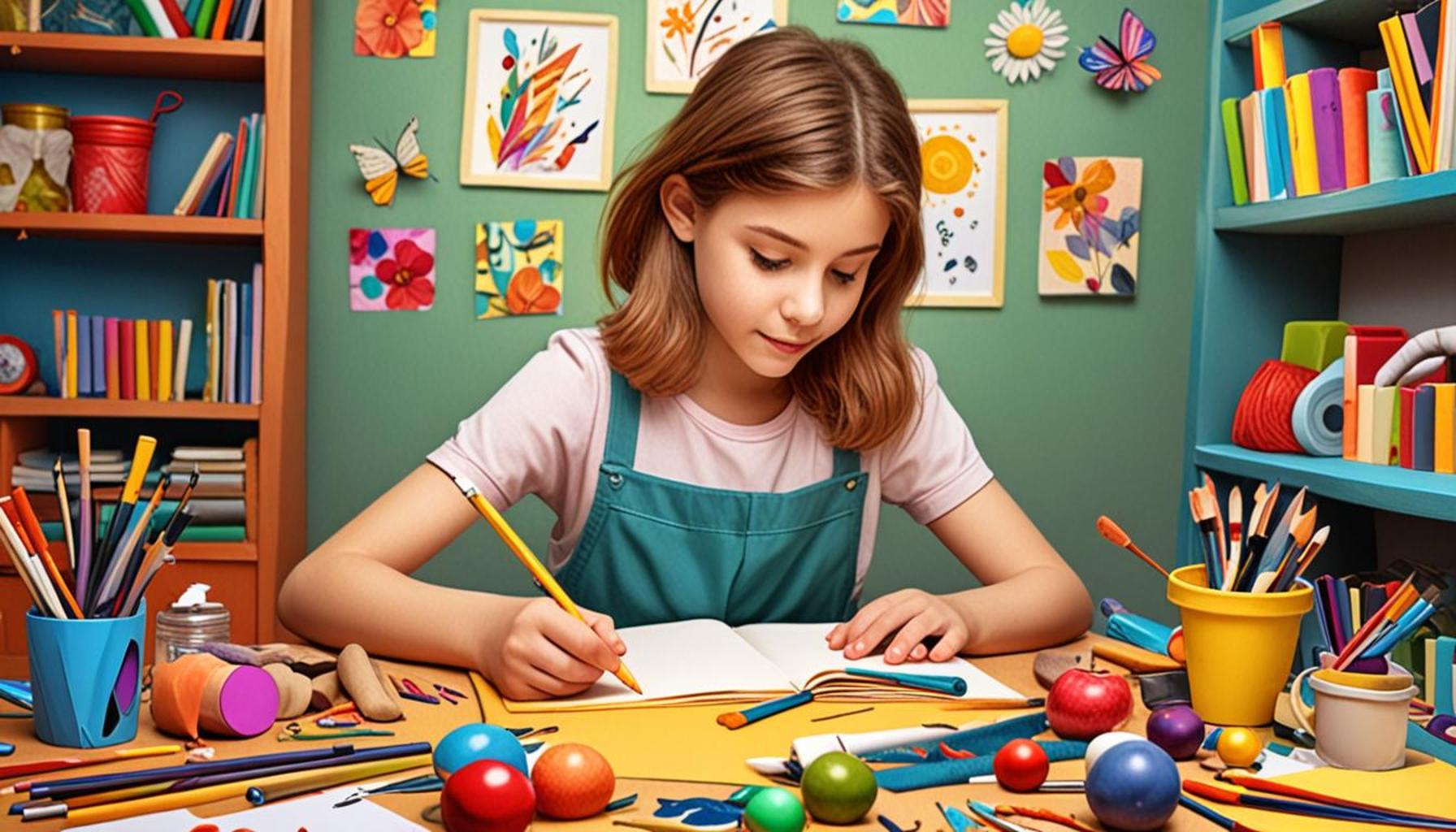
Understanding the Role of Handicrafts in Education
In the ever-evolving educational landscape, it is crucial to integrate traditional practices that nurture creativity, critical thinking, and practical skills in students. Handicrafts encompass a variety of manual techniques, from pottery and weaving to woodworking and embroidery, allowing students to interact with materials in a way that enhances their learning experience. Many American schools are increasingly recognizing the profound impact that these manual activities can have on both cognitive and emotional development.
One of the primary benefits of incorporating handicrafts into the curriculum is the enhancement of creativity. Students find joy in exploring various art forms, creating unique pieces that reflect their perspectives. For instance, a classroom might engage in a project where students design their own clay sculptures, fostering a sense of ownership and individuality in their work. This creative process not only enriches their artistic skills but also encourages them to think outside the box, developing innovative ideas that can be applied in other areas of study.
Moreover, engaged in activities such as sewing or woodworking, students can improve their motor skills. These manual tasks require hand-eye coordination and precision, which are critical for young learners. For example, coordinating the use of scissors while cutting materials enhances dexterity and aids in the development of fine motor skills crucial for writing and typing. The act of ‘doing’ reinforces learning in a multidimensional manner, ensuring that students are not just passive recipients of information.
Handicrafts also present an exceptional opportunity for critical thinking. As students encounter challenges while working on their projects—such as figuring out how to balance materials or troubleshoot a design flaw—they are compelled to create solutions. This problem-solving process cultivates resilience and adaptability, preparing students to face real-world situations with confidence.
In addition to these cognitive and physical benefits, handicrafts promote cultural awareness. Through learning about various traditional crafts, such as Native American beadwork or African textile art, students gain insight into the diverse histories and cultures that shape our world. This exposure broadens their horizons and fosters an appreciation for the rich tapestry of human expression that exists globally.
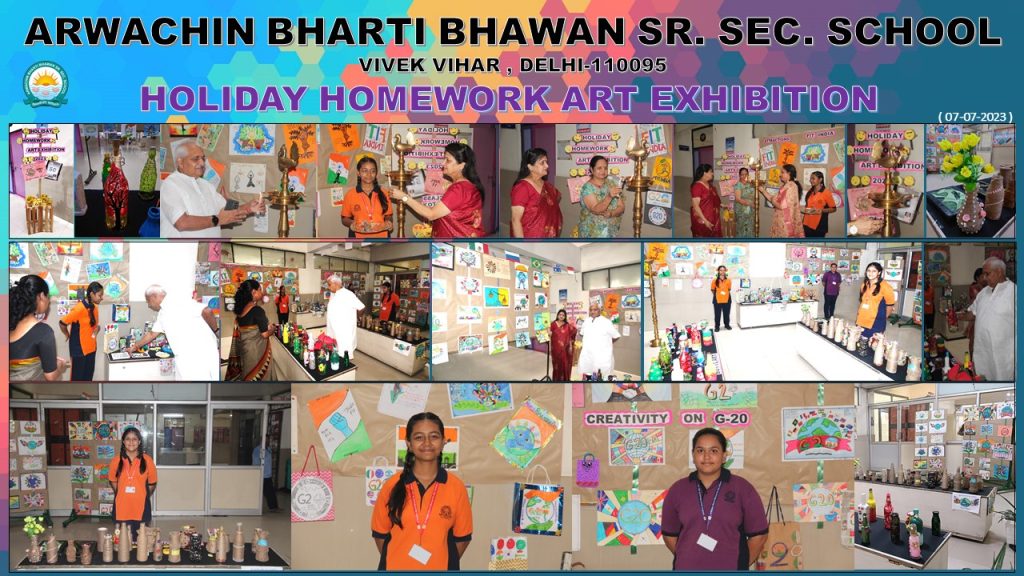
Educational institutions that embrace handicrafts in their programs not only emphasize traditional learning but also equip students with skills applicable in contemporary contexts. With a robust focus on hands-on experiences, schools are promoting a curriculum that values creativity alongside analytical skills, which is essential in today’s job market. The shift towards incorporating such practices reflects a broader understanding of child development and learning methodologies, aligning with modern educational needs.
Explore the benefits
This article will further investigate specific programs and initiatives across schools in the United States that have successfully integrated handicrafts into their teaching methodologies. Following these developments can reveal how manual activities, when woven into educational frameworks, serve to enrich the societal fabric and nurture the next generation of innovators and thinkers.
DISCOVER MORE: Click here to uncover the beauty of sustainable crafts
Benefits of Handicrafts in Enhancing Learning Experiences
Handicrafts are not just about creating tangible objects; they serve as a vital component in enhancing the overall educational experience. Incorporating manual activities, such as crafting, sewing, and woodworking, into the school curriculum provides numerous advantages that extend beyond traditional academic learning. These activities not only fortify basic skills but also contribute to a well-rounded educational approach, crucial in today’s dynamic environment.
One of the most significant aspects of integrating handicrafts into education is the promotion of teamwork and collaboration among students. Many craft activities require children to work together towards a common goal, whether it be producing a group mural or working on a community project. This collaborative process cultivates essential skills such as communication, empathy, and compromise, which are essential for social development. As they tackle projects in pairs or small groups, students learn to value each other’s input and develop a sense of community, laying the groundwork for collaborative efforts in their future professional lives.
Furthermore, the interdisciplinary connections that arise from integrating handicrafts into the curriculum can enrich students’ learning. For instance, a project involving textile art can be coupled with lessons in geometry, where students measure and cut fabric into specific shapes. This hands-on approach helps students see the relevance of their academic subjects in real-world applications, reinforcing the idea that math and art are intertwined rather than mutually exclusive. Such cross-curricular benefits encourage a holistic educational experience that nurtures well-rounded individuals.
Additionally, the sense of achievement that comes from completing a handicraft project can significantly boost a student’s self-esteem and confidence. Crafting allows students to witness their progress firsthand, from the conception of an idea to its tangible fruition. This journey can be highly rewarding: a child may begin a woodworking project unsure about their abilities but finish with a beautifully crafted birdhouse, instilling a sense of pride and accomplishment. By encouraging students to recognize and celebrate their successes, educators can foster a positive learning environment that promotes resilience and a willingness to tackle new challenges.
- Enhanced Creativity: Expression of individual artistry through various crafts.
- Improved Fine Motor Skills: Development of dexterity essential for daily tasks.
- Cultural Appreciation: Understanding of diverse traditions through crafts from around the world.
Moreover, integrating handicrafts in education can serve as an invaluable conduit for cultural appreciation. As students craft items inspired by different cultures, they learn about the history, significance, and craftsmanship behind these art forms. Whether it’s drawing inspiration from Native American pottery or creating Mandalas to explore Hindu traditions, students gain insight into the lives and practices of others, fostering an environment of inclusivity and respect for global diversity.
By harnessing the multifaceted benefits of handicrafts, educators can create a rich, engaging learning environment for students. This integration not only helps to refine practical abilities but also lays the foundation for critical skills essential in shaping the innovators and problem solvers of tomorrow. As more schools recognize the value of these manual activities, the potential for a comprehensive educational framework grows exponentially, making a strong case for the necessity of handicrafts in the curriculum.
The Role of Handicrafts in Education: How Manual Activities Can Enrich the School Curriculum
Handicrafts and manual activities have long been a fundamental aspect of educational practices around the globe. Integrating these activities into the school curriculum offers remarkable benefits for students, beyond merely acquiring technical skills. They facilitate the development of creativity, critical thinking, and collaboration, essential skills for the 21st century.
When students engage in handicrafts, they tap into their imagination and foster an environment of innovative thinking. This hands-on experience promotes problem-solving skills as children learn to manage challenges encountered during creation. For instance, they might experiment with different materials and techniques, leading to unique solutions and designs that reflect their individuality.
Furthermore, the social aspect of group crafts can enhance collaborative learning. Working in pairs or teams encourages communication and sharing of ideas, enabling students to learn from one another and cultivate teamwork skills. These interactions help in building a sense of community and respect amongst peers, setting a foundation for future collaborative endeavors.
Moreover, integrating handicrafts into academic subjects can provide a practical application of theoretical concepts. For example, a mathematics lesson can be enhanced by having students create geometric shapes with clay, demonstrating real-world relevance and fostering deeper understanding. Similarly, art can complement history lessons through the creation of traditional crafts from various cultures, richening students’ appreciation of diversity.
In essence, the inclusion of manual activities in education presents a multi-dimensional approach to learning. By valuing creativity, enhancing academic performance, promoting social skills, and bridging theoretical knowledge with practical experiences, handicrafts become a powerful tool to enrich the curriculum, preparing students for a dynamic world.
| Advantages of Handicrafts | Impact on Education |
|---|---|
| Enhanced Creativity | Fosters innovative thinking and problem-solving. |
| Social Skills Development | Encourages collaboration and teamwork through group projects. |
The world of handicrafts opens a gateway to a holistic educational experience, one where students are encouraged to learn actively and creatively, shaping them into well-rounded individuals ready to face future challenges.
DIVE DEEPER: Click here to discover creative DIY projects
Handicrafts as Tools for Personal and Academic Development
In recent years, educational paradigms have shifted towards integrating hands-on learning experiences that engage students on multiple levels. Handicrafts not only provide an enjoyable break from traditional learning methods but also contribute significantly to personal growth and academic achievement. By engaging in manual activities, students can develop a range of qualities that are essential in both education and life.
One compelling argument for the inclusion of handicrafts in education is their ability to foster problem-solving skills. Crafting requires students to evaluate challenges and devise creative solutions. For instance, a student working on a sewing project must calculate fabric requirements, troubleshoot design issues, and adapt their approach as they navigate unexpected obstacles—skills that translate well to mathematics and science. This empowers students to think outside the box and promotes an iterative mindset that is increasingly vital in our fast-paced, technology-driven world.
Furthermore, engaging in handicrafts enhances focus and concentration. The intricate nature of many crafts encourages students to immerse themselves fully in the task at hand. Whether they are painting, knitting, or building, students learn the importance of persistence and attention to detail. Research has shown that such focused activities can increase cognitive function and enhance memory retention, making craft-related tasks a valuable addition to any curriculum designed to maximize learning outcomes.
Handicrafts also serve as an effective gateway for teaching emotional intelligence. The process of creating something allows students to express their feelings and explore their identities through tangible means. Emotional expression through art can provide a therapeutic outlet for children, particularly those who may struggle with verbal communication. Programs that incorporate handicrafts report improvements in student morale and a reduction in behavioral issues, enabling a more conducive learning environment.
Moreover, introducing students to various handicrafts can highlight the importance of sustainability and environmental awareness. Many crafts utilize recycled materials or natural resources, allowing students to engage in meaningful discussions about ecological responsibility. For instance, lessons on upcycling can teach students how to turn discarded items into valuable creations. This not only encourages creativity but also instills a sense of responsibility towards the environment, vital for nurturing conscientious future citizens.
- Stress Relief: Crafting can serve as a calming activity that helps students manage stress through mindful engagement.
- Encouragement of Innovation: Hands-on experiences often lead to unique inventions and ideas, promoting entrepreneurial thinking.
- Career Exploration: Exposure to various crafting techniques may inspire students to pursue careers in design, art, or craftsmanship.
Finally, integrating handicrafts into the educational framework can also open doors to career exploration. As students engage in various crafting techniques, they may discover passions and skills that can point them toward future careers in art, design, or even technical trades. Workshops, fairs, and community project collaborations provide avenues for students to showcase their work, potentially leading to internships or scholarships based on their handiwork.
The incorporation of handicrafts within the educational framework underscores the value of a diverse learning approach. As students cultivate practical skills, critical thinking, and emotional resilience through manual activities, they not only enhance their academic experience but also prepare themselves to navigate the complexities of the modern world. In a climate that continually emphasizes technological advancement, the intersection of crafts and education highlights the enduring significance of manual creativity as a pillar of comprehensive learning.
DISCOVER MORE: Click here for exciting DIY ideas
Conclusion: Embracing Handicrafts for Holistic Education
In conclusion, the role of handicrafts in education extends far beyond mere creativity; it serves as a crucial component in fostering a well-rounded learning experience. As schools increasingly recognize the importance of integrating manual activities into their curricula, students benefit from enhanced problem-solving abilities, improved focus, and a deeper emotional intelligence. These qualities not only enrich academic performance but also equip learners with essential life skills that are vital in today’s dynamic world.
The potential for career exploration through handicrafts is another compelling advantage, allowing students to uncover their passions and latent talents, potentially steering them toward fulfilling vocational paths. By participating in various crafting projects, learners cultivate a sense of innovation and responsibility, especially with a focus on sustainability and ecological awareness. This prepares them to become conscientious citizens, aware of their impact on the environment.
Moreover, the calming effects of crafting can significantly reduce stress, promoting mental well-being and creating a positive learning environment. Schools are encouraged to consider the profound benefits of integrating handicrafts into their educational framework. As we move forward, it becomes imperative to celebrate and promote these activities as vital to nurturing creative, adaptive, and resilient individuals. In an age dominated by technology, the tactile world of handicrafts is a powerful reminder of the value of human creativity and insight. Thus, the time is ripe to advocate for a more diverse and inclusive curriculum that reflects the multifaceted skills of our learners.