Craftsmanship as a Form of Self-Expression: Projects that Tell Personal Stories

The Intersection of Stories and Craft
Craftsmanship embodies far more than a simple display of skill; it serves as a profound form of self-expression. Each carefully crafted piece can encapsulate vivid stories, emotions, and experiences that define the creator’s identity. Through a diverse array of projects—spanning woodworking, textile art, pottery, and more—artisans convey their innermost thoughts and feelings in tangible forms that resonate deeply with others.
Woodworking: Carving Family Legacies
Woodworking is a captivating example of how craftsmanship can tell a story. Each carve, join, and finish can narrate family legacies or cultural histories. For instance, a handmade dining table may not just serve as a piece of furniture; it can represent generations of family gatherings and cherished memories, each scratch and burnishing telling a tale of feasts shared and conversations held. Artisans often select specific types of wood for their durability or aesthetic qualities, reflecting their personal ties to nature’s resources while creating pieces that endure through time.
Textile Art: Weaving Stories of Personal Journeys
Textile art provides another platform for storytelling through craftsmanship. Fabrics can illustrate personal journeys and significant milestones. Quilting, for example, has a rich history in American culture, serving as both a communal activity and a means of preservation of history and identity. Each patch in a quilt could symbolize a moment in an artisan’s life, perhaps representing a child’s birth or a significant geographic move. The vivid colors and textures used in the creation of textile pieces reveal not only skills in handling materials but also emotional depths belonging to the maker, inviting viewers to connect with their stories.
Pottery: Reflections of Personality
Pottery, too, showcases how unique shapes and glazes can reflect the maker’s personality and state of mind. A potter’s choice of form and finish can convey their emotional landscape at the time of creation. For example, a rugged stoneware bowl may embody feelings of stability and comfort, whereas a delicate porcelain vase might express vulnerability. The tactile nature of pottery allows observers to engage with the artwork on multiple sensory levels, evoking a deeper understanding of the maker’s intent.
These artistic endeavors compel us to look deeper than mere aesthetics. By immersing themselves in the creative process, individuals transform their experiences into works of art that resonate with others. From the busy streets of New York to quiet workshops in the Midwest, stories crafted by skilled hands invite exploration and discovery.
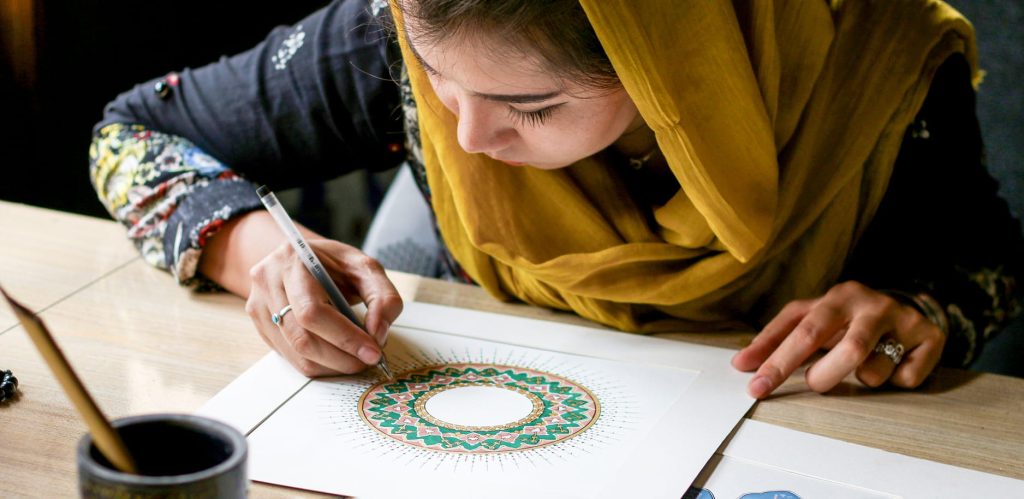
Examining the interplay between craftsmanship and personal storytelling reveals how every piece serves as a window into the artist’s life. As we delve into various projects and their significance, we uncover the power of craftsmanship as a narrative tool. The fusion of creativity and personal history captivates and inspires, encouraging broader conversations about identity, culture, and self-expression in a world increasingly dominated by technology. Thus, as we celebrate craftsmanship, we also celebrate the stories and emotions that make these creations so profoundly human.
DIVE DEEPER: Click here to discover the transformation of traditional art
The Power of Personal Artistry
In an age dominated by quick fixes and mass production, the resurgence of craftsmanship as a form of self-expression stands as a testament to our innate human desire to create and connect. Various art forms provide rich canvases for individuals to weave their narratives, fostering a profound relationship between the creator and their work. These projects often stem from deeply rooted personal stories, reflecting not only the skills of the artisan but also their journey, emotions, and aspirations.
Jewelry Making: Adorning Identity
Jewelry making is one of the most intimate forms of craftsmanship, offering wearers a chance to carry personal narratives with them wherever they go. Each piece crafted—from intricate necklaces to elegant rings—has the potential to hold significant memories or symbolize important milestones. For instance, a handcrafted bracelet may include beads gathered from various travels, each representing a unique experience or a special someone in the maker’s life. Artisans frequently imbue their creations with unique symbolism—using a certain metal to convey strength or specific stones to signify healing—creating a storytelling element that transcends traditional adornment.
Metalwork: Forging Connections
Metalworking is another powerful avenue for expression, allowing artisans to transform raw materials into stunning artifacts that embody their narratives. Whether crafting knives, sculptures, or furniture, metalworkers manipulate both form and function to convey sophisticated tales of labor, resilience, and creativity. Tools fluently fashioned by a blacksmith may represent dedication to a craft that takes years to master. Furthermore, metal pieces can be adorned with engravings or etchings that capture poignant life events, blending artistry with storytelling in a visceral, tactile manner.
Artisan Bread Making: Culinary Tales
In the realm of gastronomy, artisan bread making has burgeoned into a craft that intertwines tradition and innovation. Bakers often draw upon family recipes passed down through generations, infusing personal histories into each loaf created. The tactile process of kneading, shaping, and baking bread becomes a ritual that honors heritage while fostering a deep personal connection between the maker and their craft. Ingredients sourced locally not only yield distinctive flavors but also reflect the culture and community of the artisan. This culinary craftsmanship not only satisfies the palate but also nourishes stories that revolve around warmth, love, and the simple joys of sharing food.
- Jewelry making: Channeling identity and stories through wearable art.
- Metalwork: Building narratives around resilience and creativity.
- Artisan bread making: Intertwining heritage and community through culinary endeavors.
Engaging in these artistic practices empowers individuals to individuate their expressions while reminding us of the shared human experience. As we witness the dedication and passion of artisans, we uncover the universal threads that bind us, revealing the transformative nature of craftsmanship. This exploration ultimately encourages contemplation on what our creations say about us and the lives we lead, urging us to reclaim our own stories through the art of making.
| Category | Description |
|---|---|
| Cultural Heritage | Craftsmanship</strong allows artisans to preserve and share their cultural backgrounds through their work. |
| Emotional Connection | Each project serves as a personal narrative, giving creators a way to express emotions and stories. |
| Community Building | Craftsmanship fosters connections among like-minded individuals, encouraging knowledge sharing. |
| Creative Freedom | Artisans have the liberty to explore various techniques, which enhances innovation in their craft. |
The exploration of craftsmanship as a form of self-expression reveals its multifaceted nature. Artists not only channel their skills into stunning creations but also weave narratives that reflect their personal journeys and cultural contexts. Whether it’s through intricate woodworking, textile arts, or pottery, each piece becomes a vessel for stories untold, offering viewers a glimpse into the creator’s soul. Moreover, the act of creating provides a therapeutic outlet, allowing individuals to process experiences and emotions. By engaging with their craft, artisans not only contribute to a vibrant cultural tapestry but also foster a community that values the shared learning experience. This interconnectedness underscores the transformative power of craftsmanship.
DISCOVER MORE: Click here to enhance your mental well-being
Textiles and Weaving: Threads of Heritage
The art of textiles and weaving represents another captivating medium through which artisans express their identities and encapsulate their narratives. Whether it’s the traditional craft of basket weaving, intricate quilting, or modern tapestry design, each thread and pattern woven into garments and home goods narrates a story. For many artisans, the process of creating textiles is a journey that intertwines cultural heritage with personal experience.
For example, Native American weavers often incorporate patterns that reflect personal and tribal history, with each motif being steeped in significance. A single blanket may represent various aspects of community life, nature, or spirituality, leading to a deeply personal creation that speaks volumes about the maker’s identity. Additionally, quilters might create patchwork quilts using fabric remnants from significant life events—pieces from clothing worn on important days—ensuring that memories are embedded within their art.
Woodworking: Crafting from the Heart
Woodworking offers another avenue of craftsmanship that speaks to the maker’s relationship with nature and tradition. The tactile pleasure of shaping wood into functional or decorative pieces has become a meditative practice for many artisans. A handcrafted chair or table is more than just a functional item; it is a reflection of the craftsman’s dedication, skill, and often, their emotional state. The use of reclaimed wood in furniture-making exemplifies this deeply personal connection to material, as it tells a story of history, ecology, and sustainability.
Artisans may select specific woods with unique grain patterns or colors that resonate with their own feelings or experiences. Each knot and blemish becomes part of a larger narrative, establishing a bond not only with the object but also with the environment. The act of woodworking is, therefore, a harmonious blend of labor and introspection, allowing creators to express their individuality through the choices they make in designing and building.
Pottery: Shaping Memories
The ancient craft of pottery has long provided a medium for artisans to shape their stories in clay. As potters manipulate clay—molding, glazing, and firing—each piece becomes a physical manifestation of their creativity, emotions, and sometimes, their struggles. The imperfections in handcrafted pottery can reveal much about the artisan’s journey, serving as reminders of the artistic process that embraces flaws as beautiful.
For instance, a ceramic mug may be adorned with symbols or colors that hold personal significance for the maker, perhaps reflecting their cultural background or personal milestones. The ritual of drinking from a handmade vessel can evoke feelings of warmth and connection, not only to the creator but also to the traditions that inform their work. In this way, pottery offers a unique canvas for storytelling, where both the maker and the user partake in a shared appreciation of craft and narrative.
- Textiles and weaving: Embedding personal and cultural narratives into fabric.
- Woodworking: Crafting functional pieces that reflect emotional ties and environmental consciousness.
- Pottery: Shaping memories and experiences through the tactile medium of clay.
The enriching experience of engaging in these artisanal crafts allows individuals to connect not only with their own stories but also with the broader tapestry of human experience. In each crafted item lies a testament to the beauty of individuality, encouraging both maker and observer to explore their own narratives through the lens of craftsmanship. As these artisans manifest their identities through their work, they remind us of the deep-seated desires for connection, expression, and the significance of our personal stories.
DIVE DEEPER: Click here to explore the world of music and dance
Conclusion: The Stories Built into Craftsmanship
In exploring the intricate world of craftsmanship, it becomes clear that artisans use their skills not merely to create functional objects, but to weave their personal narratives into every piece they craft. The journey through textiles, woodworking, and pottery reveals a rich tapestry of stories that embody cultural roots, emotional journeys, and individual experiences. Each thread, grain, and glaze resonates with meaning, reflecting the maker’s identity and the unique circumstances surrounding their creation.
Furthermore, these handcrafted items foster a powerful connection between the artisan and the observer, inviting everyone to engage with the stories behind the work. As we embrace the significance of these creations, we can enrich our understanding of artistry as a profound medium for self-expression. The imperfections in a handmade mug or the reclaimed wood of a bespoke furniture piece tell us about resilience, transformation, and the importance of sustainable practices—a reminder that stories can be both personal and collective.
As craftsmen continue to embed their histories into their work, they emphasize the importance of preserving traditions while also paving the way for new narratives. This interplay bridges generations, ensuring that identity and experiences are honored and celebrated. Ultimately, craftsmanship serves as a universal language, inviting all of us to explore our own stories and encouraging a deeper appreciation for the artistry that surrounds us. Engaging with these crafts allows both makers and observers to reflect on their existence, positioning craftsmanship as a vibrant form of self-expression that transcends time and space.