Inclusive Crafts: Promoting Accessibility and Creativity for All

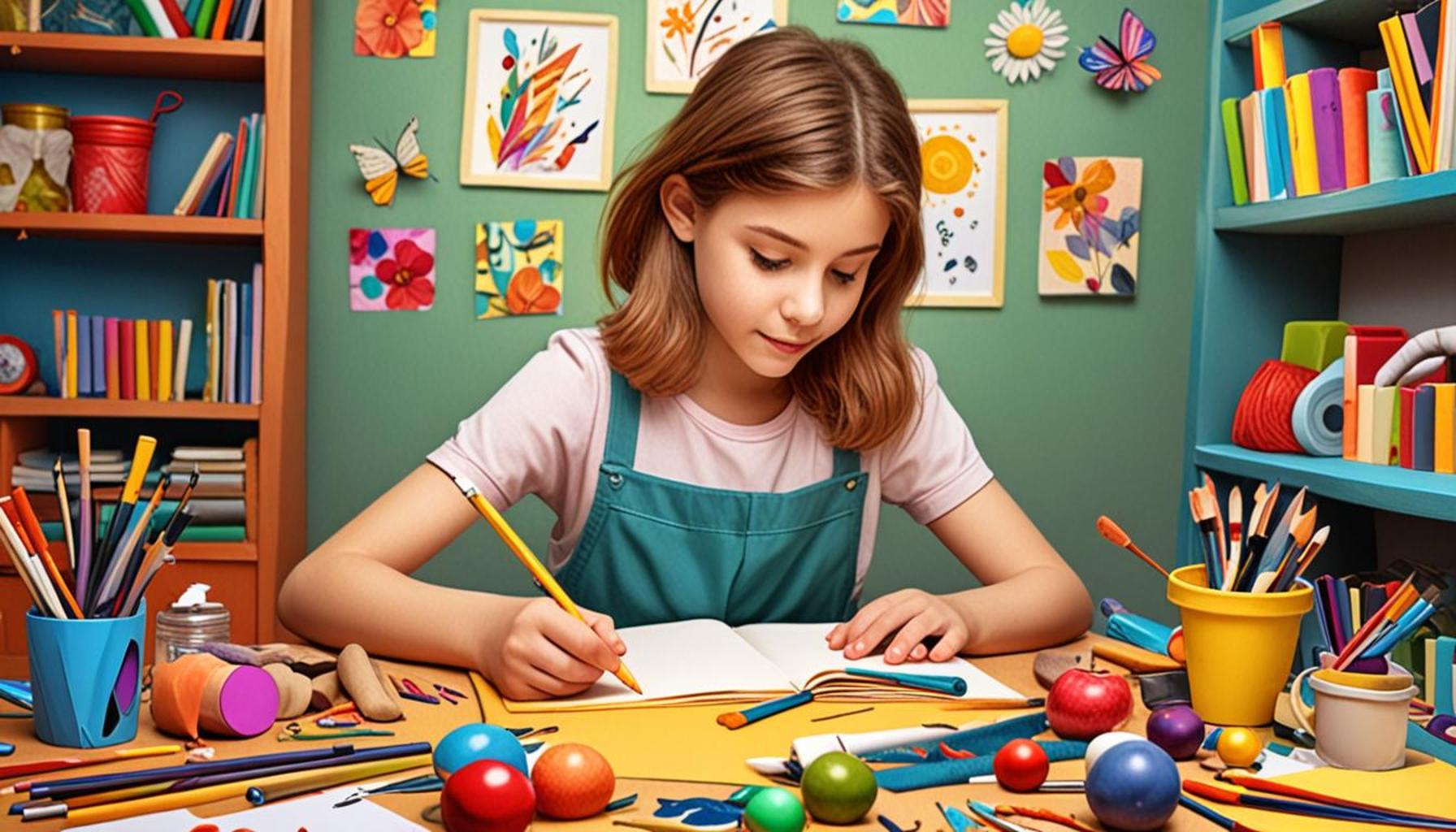
Crafting has long been recognized as an essential form of self-expression, allowing individuals to channel their imagination into tangible creations. However, many aspiring artists face barriers due to limited access to traditional crafting environments, tools, or programs designed for specific skill sets. This is where the concept of inclusive crafts comes into play, aiming to create an equitable space for all, regardless of ability or background. By promoting accessibility in crafting, we can unlock the transformative power of creativity for a broader audience.
Why Inclusive Crafts Matter
The importance of inclusive crafts extends beyond mere participation; it holds the potential to enrich lives in various dimensions:
- Empowerment: Crafting projects allow individuals to tap into their creative potential. Engaging in art can foster a sense of achievement and purpose, particularly among those who may feel marginalized or unheard. Whether it’s through painting, knitting, or pottery, having the opportunity to express oneself creatively can be deeply empowering.
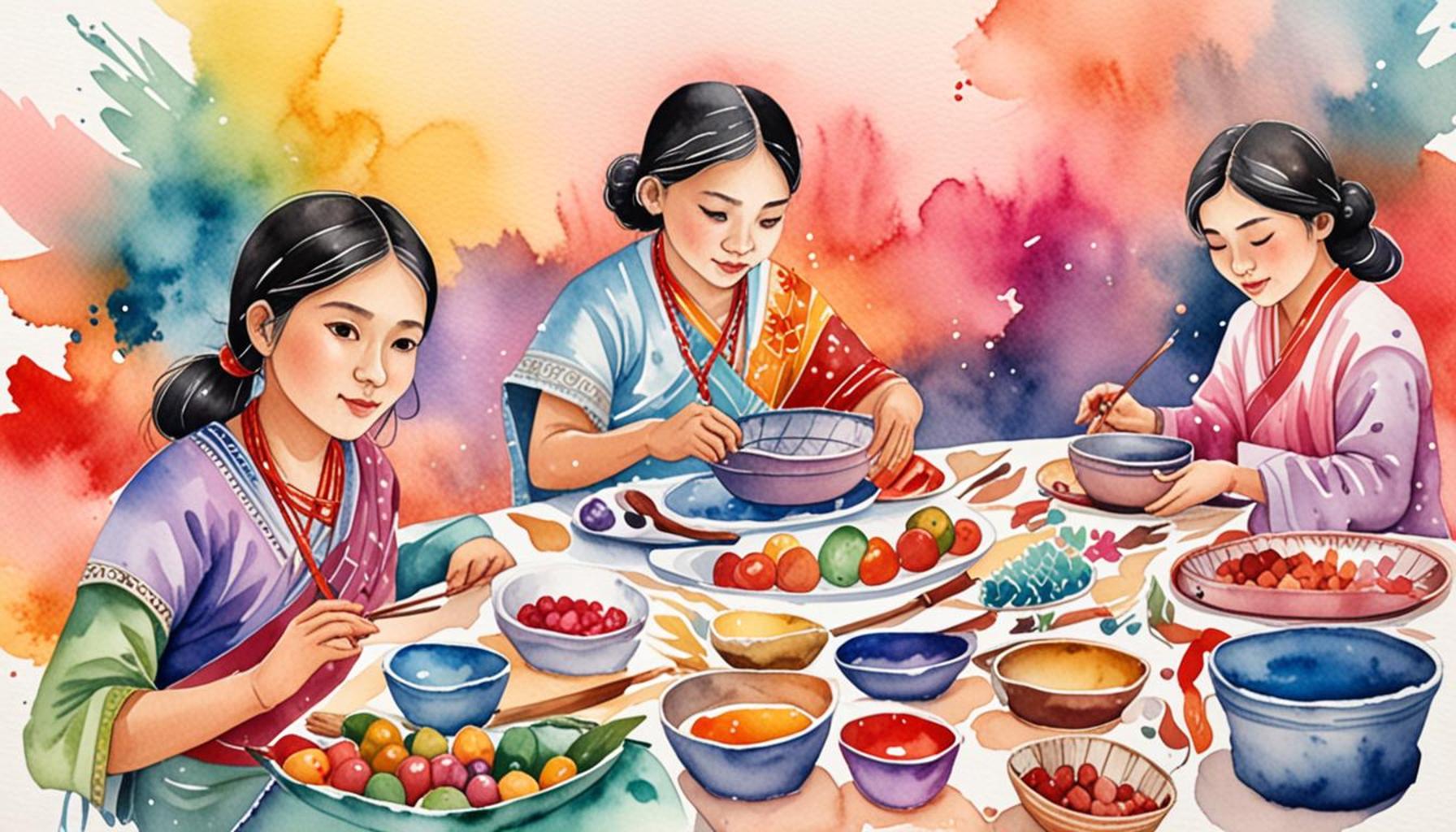
- Community Building: Crafting activities bring together a diverse group of individuals, allowing for rich social interactions. Workshops can serve as meeting grounds for people from different backgrounds, encouraging collaborative projects that emphasize teamwork and understanding. These interactions can break down barriers, promote empathy, and cultivate lasting friendships.
- Emotional Well-being: The act of crafting has shown to have therapeutic benefits, including reduced anxiety and improved emotional balance. Engaging hands in artistic activities allows for a meditative experience that can improve mental health. Studies indicate that creating art can lead to increased feelings of positivity and reduced stress levels, making crafting a valuable outlet for self-care.
Examples of Accessible Crafting
As the call for inclusivity grows louder, various organizations are leading the charge in making crafting accessible to all:
- Crafting for a Cause: This organization hosts workshops specifically designed for individuals with disabilities, offering support and resources that cater to various needs. By providing specialized guidance, they help individuals flourish in their artistic pursuits.
- Adaptive Tools: Innovative crafting tools, such as ergonomic scissors with customized grips, allow those with limited mobility to engage in crafts more comfortably and effectively. The availability of such adaptive tools can make a significant difference in a crafter’s experience, opening doors that were previously closed due to physical limitations.
- Virtual Workshops: With the rise of technology, online crafting classes have emerged as an excellent solution for those unable to participate physically. Participants can join from the comfort of their homes, accessing a wealth of resources and community support. This virtual space not only accommodates different abilities but also allows individuals from various geographic locations to connect and share their creative journeys.
Embracing inclusive crafts creates a ripple effect of creativity, connection, and community. This initiative positions crafting as a universal language, breaking barriers and inviting everyone to participate in the joyful act of creation. By exploring adaptive techniques, sharing stories of triumph, and raising awareness about inclusivity, we can build a vibrant crafting community that truly encompasses all individuals, ensuring no one is left behind.
DISCOVER MORE: Click here to learn how creativity can enhance your mental well-being
The Importance of Accessibility in Crafting
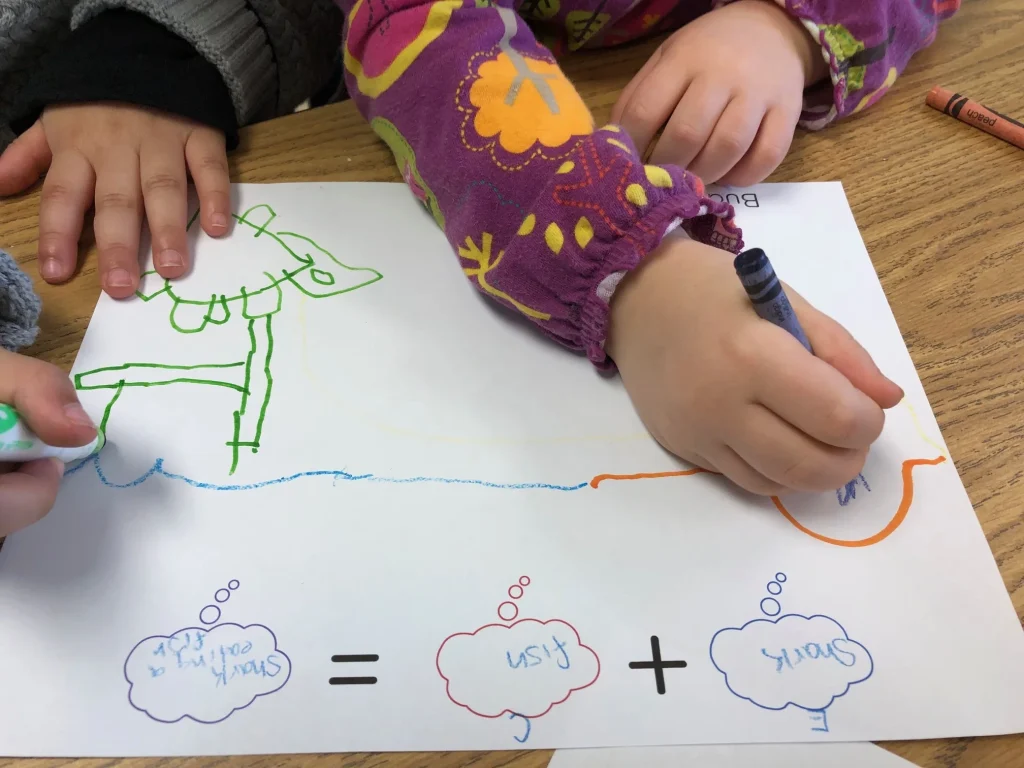
When discussing inclusive crafts, it is essential to recognize that accessibility is the backbone of fostering creativity for everyone. Crafting can serve as a unique bridge between individuals, enabling each person to explore their imagination and express their identity regardless of their physical or cognitive abilities. In the United States, statistics show that approximately 1 in 4 adults live with some form of disability. This staggering figure underscores the necessity of creating opportunities where every individual can participate in artistic endeavors without hindrance.
By promoting accessible crafting, we acknowledge the diverse experiences and capabilities of crafters across the nation. Here are several key reasons why accessibility in crafts should be prioritized:
- Inclusivity in Art Education: Educational institutions, community centers, and libraries have begun integrating inclusive crafting programs into their curricula. This not only provides technical skills to individuals but also fosters an appreciation for art as a universal medium. With programs tailored to meet a variety of needs, everyone can benefit from a rich educational experience that incorporates hands-on learning and creativity.
- Diverse Representation: Crafting is not just about the final product; it’s about the stories behind each creation. When individuals from various backgrounds, abilities, and cultures share their experiences, the crafting community thrives. Enhanced representation enriches the creative landscape, allowing for a greater exchange of ideas and artistic expressions that can challenge societal norms and expand boundaries.
- Therapeutic Advantages: Numerous studies have highlighted the therapeutic benefits of engaging in crafts. Activities like knitting, painting, or sculpting can be particularly beneficial for individuals coping with stress, anxiety, or other mental health issues. Inclusive crafting spaces can provide essential support in developing coping mechanisms, making art a vital tool for healing and wellness.
Efforts to enhance accessibility in crafting environments are not just a moral imperative; they are essential for cultivating a diverse creative ecosystem. Various initiatives and adapting traditional practices make crafting an inviting and enjoyable experience for everyone.
Leading the Charge for Inclusive Crafting
Organizations across the country are recognizing the importance of inclusivity in crafting, actively working to create spaces where all individuals can thrive. Programs aimed at accessibility are becoming more prevalent, demonstrating a commitment to ensuring that creativity knows no bounds. Here are a few innovative initiatives making a significant impact:
- Art Therapy Programs: Nonprofits like the Art Therapy Association are introducing art therapy workshops specifically tailored for marginalized communities and individuals with disabilities. These programs provide participants with tools to engage in creative expression while simultaneously addressing emotional and psychological needs.
- Community Crafting Events: Various local organizations host inclusive crafting events that encourage participation from everyone within the community. These gatherings emphasize a shared experience, bridging gaps while promoting connection and understanding among diverse groups. Events often feature adaptive techniques and materials designed to accommodate a wide range of abilities.
- Grant Opportunities: Grants aimed specifically at funding inclusive arts programs are increasingly available. Organizations committed to social equity can apply for financial support to create workshops, tools, and resources that emphasize accessibility and inclusivity in the crafting world.
By investing in inclusive crafts and embracing the diverse tapestry of talent that exists within our communities, we can reshape the artistic landscape. Crafting has the power to unify, uplift, and inspire, and inclusivity is the key to unlocking its full potential for all.
| Advantage | Impact on Community |
|---|---|
| Enhanced Accessibility | Inclusivity in crafting allows diverse individuals to participate, breaking down barriers related to physical limitations. |
| Fostering Creativity | Empowering individuals to use creativity as a form of self-expression, which is vital for mental well-being and community engagement. |
Crafting is more than just a hobby; it’s a pathway for many to explore their creativity while feeling included in community activities. The movement towards accessible crafts paves the way for individuals of all abilities to engage in rewarding artistic expressions. By focusing on enhancing accessibility, we create an atmosphere where everyone can partake, regardless of their physical challenges. Innovative tools and materials, designed specifically to cater to various needs, enable an enriching crafting experience.Moreover, fostering creativity through inclusive crafting not only promotes personal growth but also strengthens community ties. When individuals feel empowered to express themselves artistically, it cultivates a sense of belonging and encourages collaboration. Workshops and community projects that focus on inclusive crafting initiatives bring diverse groups together, encouraging unique interactions and the sharing of diverse cultural backgrounds.The benefits of such an inclusive approach extend beyond individual satisfaction. They create a ripple effect, where the engagement in creative activities becomes a medium for social understanding and support. This awareness can transform communities, making them more inclusive and supportive of all members’ needs, leading to greater diversity and acceptance in society.
DISCOVER MORE: Click here to learn about the importance of manual activities
Innovative Approaches to Crafting Accessibility
As the movement toward inclusive crafts gains momentum, various innovative approaches and tools are being developed to enhance accessibility for all. These advancements not only cater to those with specific physical or cognitive needs but also enrich the crafting experience for everyone involved. Here are some notable strategies currently transforming the crafting landscape:
- Adaptive Tools and Equipment: Crafting companies and designers are rapidly innovating adaptive tools that empower individuals with disabilities to express their creativity. For example, ergonomic scissors with larger grips and adaptive scissors designed for one-handed use make cutting easier for individuals with limited hand mobility. Other tools, such as knitting looms with adjustable tension and sewing machines with voice activation, facilitate participation in traditional crafts for a broader audience.
- Digital Crafting Resources: The rise of technology in the crafting sphere has led to the development of various digital resources aimed at enhancing accessibility. Online tutorials, virtual workshops, and pattern-sharing platforms provide essential guidelines and inspiration. Websites like Ravelry allow users to filter patterns by accessibility features, ensuring that they can easily find projects suited to their specific needs. Moreover, apps designed for creating textile patterns or providing color suggestions can help visually impaired crafters navigate the world of crafting more independently.
- Inclusive Workspace Design: Many craft studios and community spaces are reevaluating their environments to ensure they accommodate all participants. This includes creating accessible layouts that consider mobility devices and providing sensory-friendly areas where individuals with sensory sensitivities can engage with crafts without feeling overwhelmed. Stations that allow for seated crafting or adjustable tables facilitate participation by catering to varying physical needs.
- Collaboration with Occupational Therapists: Craft educators are increasingly partnering with occupational therapists to develop tailored crafting programs that address specific accessibility challenges. Occupational therapists can assess individuals’ unique abilities and help facilitate methods to adapt techniques or projects accordingly. This collaboration enriches the crafting experience, ensuring that everyone can find joy and fulfillment in creating art.
While remarkable strides have been made in crafting accessibility, it is crucial to continue raising awareness and advocating for change. Local governments and organizations must collaboratively address the barriers that remain, ensuring that all community members have equal opportunities to engage in crafting.
Elevating Awareness: Community Initiatives and Success Stories
Across the United States, grassroots movements advocate for inclusive crafts through community-centric initiatives. These efforts not only highlight the importance of accessibility but demonstrate how compassion and creativity can lead to profound changes in individuals and communities alike. Here are some inspiring examples:
- The Crafting Connections Project: This initiative connects artists with disabilities to professional mentors in the crafting community. By fostering relationships and providing skill-building opportunities, it enables these individuals not only to enhance their artistic abilities but also to develop a sense of belonging and build networks within the creative sector.
- Accessible Arts Festivals: Many cities are now hosting inclusive arts festivals that prioritize accessibility. By featuring artists with disabilities and providing adaptive workshops, these festivals encourage participation from diverse communities. Success stories from these events show that when everyone is given a platform to share their work, the entire community thrives.
- Social Media Campaigns: Online platforms have become powerful tools for raising awareness about inclusive crafts. Hashtags such as #CraftForAll encourage individuals to share their experiences and promote accessible crafting solutions, enabling a broader dialogue about the importance of inclusivity in creative spaces.
By highlighting these innovative practices and community initiatives, we can inspire a culture of inclusivity in crafting that celebrates diversity and encourages creativity for all. The journey towards creating accessible crafting environments is a collective effort, and the more voices that join in raising awareness, the closer we get to a world where anyone can craft freely and joyfully.
DISCOVER MORE: Click here to delve into the power of music
Conclusion: Creating a Crafting Community for Everyone
The movement toward inclusive crafts is not just a trend; it represents a profound shift in the values of creativity and community engagement. By embracing adaptive tools, enhancing digital resources, and designing accessible workspaces, we pave the way for a world where creativity knows no boundaries. The success stories stemming from grassroots initiatives illuminate the power of connection and collaboration, reminding us that inclusivity enriches the crafting landscape for everyone, not just those with disabilities.
With continued advocacy, we can challenge the remaining barriers to accessibility. Local governments, nonprofit organizations, and crafting communities must work together to ensure all individuals, regardless of their physical or cognitive abilities, can partake in the joyful act of creation. By leveraging social media campaigns and featuring diverse talent at arts festivals, we amplify voices of inclusion and inspire future generations of crafters.
As we cultivate a culture of accessible creativity, the onus falls on each of us to foster a welcoming environment for all creators. A commitment to understanding and embracing unique perspectives enhances our collective artistic expression. Let us champion inclusive crafts and work diligently towards a future where everyone can creatively contribute, celebrate diversity, and thrive in the vibrant crafting community. Together, we can transform crafting into a universal language of creativity that truly belongs to all.