
Craft Activities for Children: Stimulating Creativity and Motor Skills from an Early Age
Benefits of Craft Activities for Children
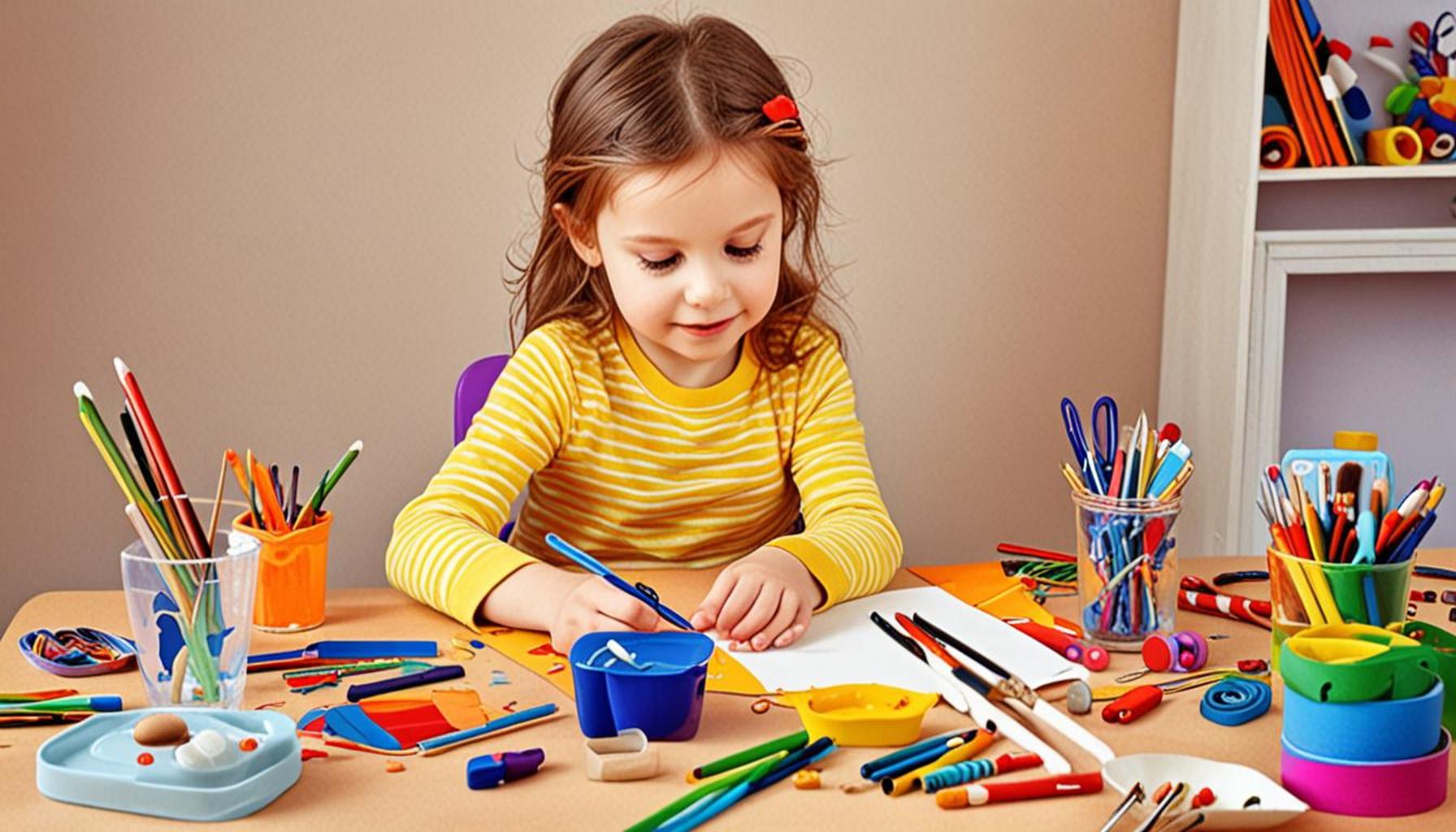
Engaging children in craft activities serves a multitude of purposes that extend beyond mere entertainment. These hands-on experiences can significantly influence a child’s overall development. As the saying goes, “Play is the highest form of research,” and crafting offers an exciting avenue for children to explore, learn, and grow.
One fundamental aspect of crafting is its ability to promote creative expression. Through various materials and techniques, children can tap into their imaginations, creating unique works of art that reflect their individual personalities. For instance, a child may choose to paint a landscape, giving life to their interpretation of nature or experiment with mixed media to symbolize their feelings. This freedom fosters critical thinking and innovation, essential skills in the 21st century.
Moreover, many craft activities enhance fine motor skills. Tasks such as cutting, gluing, and manipulating small objects improve dexterity, which is crucial for daily activities like writing or buttoning a shirt. For example, children crafting holiday decorations using scissors and multiple craft supplies can sharpen their hand-eye coordination without even realizing it. This subtle development lays the groundwork for more complex tasks as they grow older.
Another significant benefit of crafting is the promotion of problem-solving abilities. When children encounter challenges during their creative endeavors—such as figuring out how to assemble materials or balance colors—they are encouraged to think critically. This skill is transferrable to various aspects of life, from academic pursuits to real-world scenarios. For instance, a child attempting to create a cardboard castle must assess structural integrity and design aesthetics, honing their analytical thinking.
Community Initiatives and Programs
In the United States, the importance of craft activities is recognized through various community initiatives. Schools and local organizations often host art fairs and workshops to stimulate engagement. Activities like painting not only spark color awareness but also introduce children to artistic techniques that can resonate throughout their lives. Similarly, classes in origami enhance hand-eye coordination while teaching patience and precision. Additionally, recycling crafts present an opportunity for children to learn about sustainability and environmental stewardship, embodying creative innovation with an eco-friendly twist.
Fostering a Lifelong Appreciation for the Arts
By introducing children to craft activities early on, parents and educators can cultivate a profound appreciation for the arts and creativity. Such experiences stimulate young minds and lay a foundation for essential skills they will use throughout their lives. Crafting is not merely a pastime; it is a journey into a world of discovery, fostering resilience, creativity, and a sense of accomplishment. Embracing these enriching activities allows children to connect with their peers and communities while exploring their artistic potential. As you delve deeper into the amazing world of craft activities, you will see how they can profoundly impact a child’s development, shaping the thinkers and creators of tomorrow.
DISCOVER MORE: Click here to dive into creative projects
Types of Craft Activities to Consider
When it comes to craft activities for children, the options are vast and varied, catering to different interests and age groups. Choosing the right activities can facilitate not only creativity but also engagement and learning. Here are several popular types of craft activities that are both fun and developmental:
- Painting and Drawing: Utilizing different mediums such as watercolors, acrylics, or colored pencils allows children to express themselves visually. Painting promotes color recognition and fine motor skills, enabling little hands to learn how to control their movements.
- Collage Making: This activity involves arranging and gluing various materials—like paper scraps, photos, or fabrics—onto a surface. Collage-making helps children understand composition and storytelling through art while improving their sensory skills.
- Clay Modeling: Working with clay or playdough encourages tactile exploration. As children mold, manipulate, and shape these materials, they improve their hand strength and coordination, which are vital for later writing skills.
- Origami: The Japanese art of paper folding challenges kids to follow instructions and develop patience. As they create intricate designs, children enhance their spatial awareness and fine motor skills, giving them a sense of achievement when they see the final product.
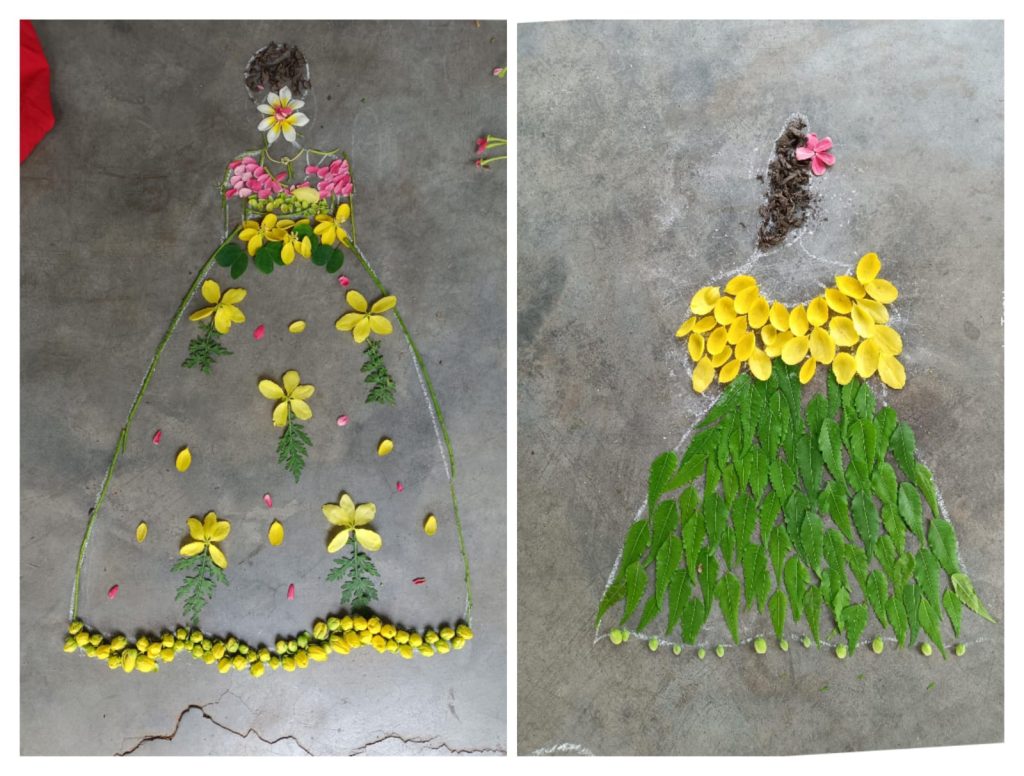
- Nature Crafts: Using natural materials such as leaves, twigs, and stones offers children a connection to their environment. These projects can foster an appreciation for nature and sustainability while honing their creativity as they create something beautiful from ordinary elements.
Implementing these craft activities into a child’s routine has been linked to numerous psychological benefits, including stress relief, increased focus, and emotional regulation. For many children, the act of creating serves as a therapeutic escape that nurtures personal expression. Considering the fast-paced world they live in, these activities provide a meditative break, enhancing their overall well-being and allowing them to process their thoughts and emotions.
Craft Activities in Educational Settings
Many schools across the United States are recognizing the pedagogical value of integrating craft activities into their curriculum. Initiatives that blend arts with academics not only captivate students’ interests but also facilitate holistic learning experiences. Activities like seasonal crafts during holidays allow children to connect with cultural traditions while honing their skill sets. Programs that combine science and art, such as creating model ecosystems or designing kinetic sculptures, highlight the synergy between different fields of study. Through collaborative projects, children learn to work in teams, share ideas, and respect diverse viewpoints—essential soft skills that will serve them well in their future endeavors. Furthermore, educators are increasingly emphasizing the importance of STEAM education (Science, Technology, Engineering, Arts, and Mathematics). This kind of learning not only nurtures creativity but also equips children with the necessary tools to problem-solve and innovate.
As the craft movement gains momentum in both homes and educational institutions, it is becoming clear that these activities are about more than just making something pretty. They are foundational experiences that shape how children understand the world around them while fostering critical life skills that go beyond the classroom.
| Benefits of Craft Activities | Aspects of Development |
|---|---|
| Enhances Fine Motor Skills | Activities such as cutting, gluing, and painting help improve hand-eye coordination. |
| Boosts Creativity | Children are encouraged to express their thoughts and ideas through artistic creation. |
| Builds Problem-Solving Skills | Crafting requires planning and decision-making, stimulating cognitive growth. |
| Promotes Social Interaction | Group craft activities foster teamwork and communication among peers. |
Engaging in craft activities not only entertains children but serves as a pivotal mechanism in their growth. As they manipulate different materials, they develop crucial fine motor skills, essential for tasks like writing and self-care. Furthermore, these activities are a springboard for creativity, allowing children to explore their imagination and express their ideas freely. By facing and overcoming challenges during the crafting process, young learners enhance their problem-solving abilities, making sense of their environments. Additionally, crafting provides an avenue for social interaction, giving children the opportunity to collaborate, share ideas, and build relationships with others, thereby strengthening their social skills and emotional intelligence.Craft activities are not only fun; they are a foundational part of a child’s developmental journey. The benefits extend far beyond the immediate gratification of creating, and they embed important skills that will serve children throughout their lives.
DISCOVER MORE: Click here for creative decoration ideas
Benefits of Craft Activities for Development
Engaging in craft activities provides children with a multitude of benefits that extend beyond mere entertainment. These hands-on experiences are instrumental in building essential skills that support their development across various domains. Here are some significant advantages that underscore the importance of crafting in childhood:
- Enhancement of Cognitive Skills: Craft activities often require children to think critically and solve problems as they navigate the creative process. Whether it’s deciding how to assemble materials for a collage or figuring out how to balance clay figures, these experiences promote logical reasoning and decision-making skills.
- Development of Social Skills: When crafting in groups, children learn to communicate and collaborate with their peers. Working on joint projects encourages sharing of ideas and techniques, fostering team spirit and meeting social emotional needs, which are crucial as they develop friendships and social networks.
- Encouragement of Self-Expression: Crafting gives children an avenue to express their thoughts, emotions, and individual identities. By transforming their ideas into tangible creations, they gain confidence in their ability to manifest their inner world. This sense of ownership over their work cultivates a positive self-image.
- Motor Skills Development: As previously mentioned, craft activities engage fine motor skills, including hand-eye coordination and grip strength, which are vital for tasks such as writing and typing. Cutting paper, gluing pieces, or threading beads requires dexterity and precision, allowing children to refine their movements as they create.
- Stress Relief and Emotional Regulation: The act of creating can serve as a therapeutic escape, allowing children to relieve stress and calm their minds. Many therapeutic approaches recognize crafting’s ability to help children process their emotions, providing a constructive outlet to deal with feelings of anxiety or frustration.
Incorporating Technology in Craft Activities
In today’s digital age, the integration of technology into craft activities can enhance creativity in new ways. Programs that blend traditional crafting with digital tools can captivate the interest of tech-savvy children. For instance, digital drawing apps enable kids to explore art without the mess of paints, while 3D printing allows them to bring their clay modeling ideas into the physical world.
Additionally, crafting while using online resources can expand children’s horizons. Websites and platforms that offer tutorials or virtual crafting workshops can introduce them to new techniques and projects that pique their interests. As they explore and create, children simultaneously develop a tech literacy that is increasingly important in our society. Numerous educational apps emphasize STEAM education, where children can engage in digital art or design, marrying technology and artistry.
Parental Involvement and Support
Research supports the idea that parental involvement in children’s craft activities significantly enhances the benefits experienced. Parents participating in crafting can model creative techniques, provide encouragement, and prompt discussions about the child’s work. Suggestions for themes or techniques, guidance with challenges, and a supportive atmosphere give children encouragement as they grow in their skills.
Parental support extends beyond supervision; sharing the creative process makes it a bonding experience, turning crafting time into a cherished activity for families. This shared involvement not only builds skill but also fosters communication, patience, and understanding between generations.
As children dive into the world of crafting—whether through painting, collage-making, or digital art—they not only enrich their creativity but also pave delightful pathways toward lifelong learning and joy in exploration.
DISCOVER MORE: Click here to dive deeper
Conclusion
In summary, craft activities for children serve as a powerful tool for enhancing both creativity and essential developmental skills. By participating in hands-on crafting experiences, children unlock the door to a world of imagination, fostering critical thinking and problem-solving abilities that will benefit them in various facets of life. The social dimension of crafting allows young ones to form connections, work collaboratively, and develop communication skills—all crucial elements in nurturing their emotional and social development.
Moreover, as children engage in the tactile joys of crafting, they refine their motor skills, improving coordination and dexterity that translate into greater academic success. The encouraging role of parents cannot be underestimated; their involvement not only strengthens bonds but also enriches the creative process, guiding children toward greater self-expression and confidence.
As we navigate through an era where technology increasingly intersects with traditional arts, incorporating digital tools into crafting can spark new interests and broaden horizons. Harnessing their creativity through technology equips children with the tech literacy essential for success in today’s digital age.
Ultimately, fostering an environment rich in craft activities lays a solid foundation for children’s lifelong learning and discovery. Encouraging them to explore their creativity from an early age ensures they grow into innovative thinkers who are prepared to tackle the challenges of the future. So, whether it’s through painting, sculpting, or digital art, the creative journey awaits, offering boundless opportunities for exploration and growth.