Craftsmanship as a Tool for Social Inclusion: Stories of Overcoming and Creativity in Marginalized Communities

The Vital Role of Craftsmanship in Social Inclusion
The practice of craftsmanship is not merely an artistic endeavor; it is a profound means of forging social connections and inclusion, particularly for marginalized communities across the United States. As individuals engage in the creative process, they often utilize it as a powerful tool for mapping their identities and overcoming challenges. Craftsmanship allows these individuals to express themselves, share their stories, and create something meaningful from their experiences.
- Empowerment through Skill Development: Skill development in craftsmanship holds the key to economic stability. For instance, programs that teach woodworking or jewelry making equip individuals with practical skills that can lead to job opportunities or entrepreneurship. In areas like Chicago’s South Side, organizations such as the Rebuilding Exchange provide hands-on training in reclaimed materials, enabling participants to create furniture and homeware that they can sell, fostering economic independence.
- Creative Expression: Craftsmanship serves as a medium for storytelling and personal expression. Artists often weave their personal narratives into their work, whether it is through the vibrant patterns of a quilt or the intricate designs of handmade ceramics. This expression can be especially powerful in communities where residents strive to reclaim their cultural heritage, allowing them to communicate their histories and aspirations.
- Building Connections: Collaborative projects, such as community art installations or shared workshops, foster partnerships among diverse groups. These initiatives bring together people from varying backgrounds, encouraging dialogue and mutual understanding. For instance, the Urban Institute’s “The Art of Involved Youth” initiative demonstrates how collective craftsmanship can bridge gaps between youth from different socio-economic backgrounds in urban centers.
Consider the inspiring stories of artisans who have transformed their lives through the meticulous art of pottery, textile production, or woodworking. Individuals like those featured in the documentary “Craft in America” exemplify the intersection of creativity and opportunity. Their journeys often begin with personal adversity, but through dedication to their craft, they not only reinvent their own lives but also create pathways for connection within their communities. From vibrant urban workshops in New York City to rustic crafting collectives in Appalachian regions, the impact and importance of craftsmanship shine through.
As we delve into these powerful stories of overcoming adversity, we reveal the profound connections between craftsmanship and community resilience. Each narrative serves as a testament to the tenacity of individuals navigating the broader social landscape. They highlight how specific skills and artistic endeavors can drive meaningful change, ultimately fostering a sense of belonging and purpose in the face of adversity. These stories urge us to further explore and recognize the transformative power of craftsmanship as it works to unite diverse communities amidst ongoing societal challenges.
DISCOVER MORE: Click here to learn about the impact of manual activities on children’s creativity
Transformative Journeys Through Craftsmanship
Across the United States, craftsmanship is more than just a skill; it is a transformative journey that propels individuals toward social inclusion and resilience. Marginalized communities often face systemic barriers that hinder their access to education, employment, and societal recognition. However, through the act of creating—whether it be through textiles, woodworking, or ceramics—these individuals are reclaiming their narratives and building meaningful lives. The power of craftsmanship as a tool for social inclusion not only fosters economic opportunities but also nurtures a sense of identity and belonging.
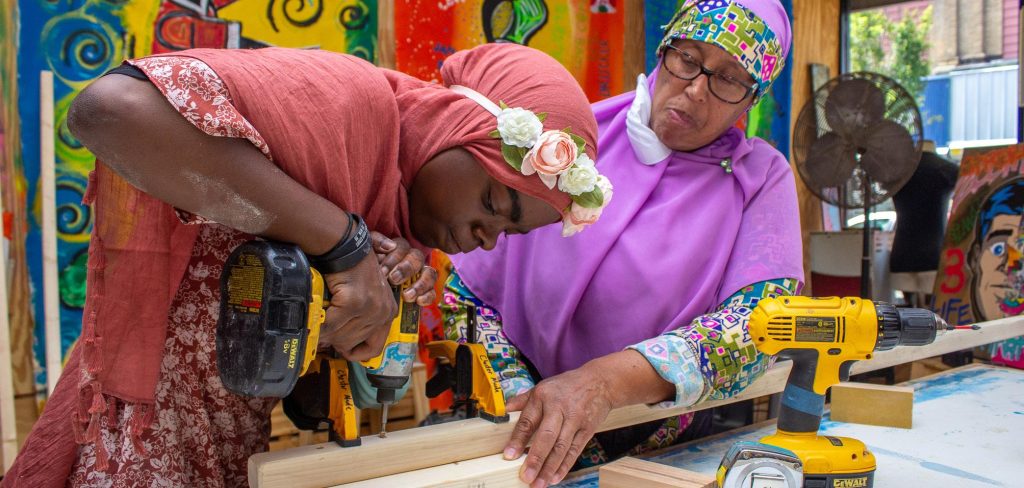
Consider the case of the Little Haiti Cultural Arts Center in Miami, Florida. This vibrant hub of creativity offers community members the chance to engage in traditional Haitian crafts such as beadwork and painting. Through mentorship programs and artisanal workshops, participants learn the intricacies of their cultural heritage while developing marketable skills. Alumni of these programs often report not only improved self-esteem but also increased participation in community events, showcasing the potential of craftsmanship to weave rich social fabrics.
Moreover, studies highlight the connection between craftsmanship and mental health. Engaging in creative activities can significantly reduce feelings of isolation and anxiety. One notable initiative, Art for Change, facilitates art therapy workshops for individuals facing homelessness in Los Angeles. Participants express their trauma and dreams through various craft mediums, which serves as an outlet for their emotions. The resulting artworks are then displayed in public spaces, allowing participants to share their stories with a wider audience. This exposure not only fosters a sense of pride but also educates the public about the lived experiences of marginalized individuals.
Impactful Initiatives in Craftsmanship
The intersection of craftsmanship and social justice is making waves across the country. Programs that promote teamwork and collaboration through craft not only empower individual artisans but also build communities from the ground up. Some notable initiatives include:
- The Craftivist Collective: Based in various urban centers, this movement brings people together to create art that advocates for social change. Participants learn craftsmanship while collaborating on projects that raise awareness about pressing social issues.
- Women’s Empowerment Network: This organization offers sewing and crafting workshops for women transitioning from difficult life situations. Such programs provide financial skills and access to a supportive network, allowing women to develop their own businesses within their communities.
- Rural Craft Revival: Focused on rural areas, this movement revitalizes traditional crafts, helping local artisans to market their work effectively. By promoting regional craftsmanship, they foster economic sustainability while boosting local pride.
These initiatives showcase the versatility of craftsmanship as a medium for empowerment and inclusion. As communities engage in creative expressions, they unravel rich histories, share unique experiences, and pave the way for new opportunities. In exploring how creative arts can reshape lives and communities, we begin to understand the true essence of social inclusion through craftsmanship.
| Advantage | Description |
|---|---|
| Empowerment | Craftsmanship allows individuals in marginalized communities to gain skills and confidence, leading to economic independence. |
| Cultural Preservation | By promoting traditional techniques and storytelling, craftsmanship fosters a sense of pride and identity within the community. |
| Economic Opportunities | Investing in local craftsmanship can create sustained economic growth through job creation and market expansion. |
| Social Cohesion | Participatory craft initiatives promote community bonding, reducing social isolation among marginalized members. |
The integration of craftsmanship as a platform for social inclusion is not limited to just economic improvement; it broadly encompasses the realms of empowerment, cultural preservation, and community cohesion. By equipping individuals with tangible skills, artisanship instills a sense of pride and agency. This empowerment transforms lives and inspires creativity, allowing narratives of struggle and strength to emerge powerfully. The cultivation of local crafts not only offers economic opportunities but also fortifies cultural identities, reinforcing the significance of heritage in modern society. The act of crafting thus becomes both a means of survival and a tool for storytelling, revealing profound connections that can unite communities in their unique narratives of overcoming adversity. Engaging in such initiatives often leads to richer relationships within communities, fostering social ties that contribute to holistic inclusion.
DISCOVER MORE: Click here to dive deeper into transforming emotions into words
Craftsmanship: A Bridge to Economic Empowerment
In addition to fostering community ties and personal healing, craftsmanship serves as a significant conduit for economic empowerment, especially in marginalized communities. The reality is that many individuals who engage in crafts find themselves not only honing their skills but also entering the marketplace, thereby creating sustainable income streams. For instance, organizations like Project Knitwell implement knitting programs in underprivileged areas, where individuals craft handmade goods to be sold at markets. This initiative not only grants participants financial independence but also allows them to reconnect with their creative passions.
The potential economic impact of craftsmanship can be seen through the lens of small businesses emerging from these community projects. According to a report by the National Endowment for the Arts, creative industries contribute over $877 billion to the U.S. economy annually. When marginalized individuals tap into these sectors, they become part of a larger narrative that showcases the importance of diversity and creativity in the marketplace. Initiatives such as Gathering Ground, which trains formerly incarcerated individuals in woodworking and furniture design, demonstrate how skill-based training can lead to entrepreneurship and a reduction in recidivism rates, illustrating craftsmanship’s dual role in personal upliftment and community regeneration.
Furthermore, the digital age has opened new avenues for artisans to reach global markets. Online platforms like Etsy have democratized the marketplace, enabling creators from marginalized backgrounds to share their handmade goods far and wide, beyond local confines. Many artisans have successfully turned their hobbies into thriving online businesses, effectively bypassing traditional market barriers. For example, a group of women in a small town in New Mexico utilizes their exceptional pottery skills to sell products online, cultivating both economic independence and a sense of pride in their cultural heritage.
The Role of Education and Skill Development
Education and skill development are integral to harnessing the full potential of craftsmanship as a tool for social inclusion. Various programs emphasize this by offering training sessions tailored to the community’s specific crafts and needs. One exceptional model is SkillCorps, which sends volunteers to economically disadvantaged areas to teach essential craft skills alongside basic business acumen. Participants not only learn how to create diverse products but are also taught the fundamentals of marketing, pricing, and customer engagement, paving a robust path to self-sufficiency.
Moreover, the success of these programs often relies on the cultivation of mentorship. Veteran artisans volunteer their time to guide newcomers, sharing not just techniques but their own stories of challenges and triumphs in the field. This peer-to-peer interaction not only enhances learning but also fosters a sense of community and solidarity. As a result, individuals feel empowered to take risks and pursue their passions, inspiring a ripple effect throughout their communities.
As we look toward the future, it is evident that the craft sector is poised for growth, particularly in creating pathways for marginalized individuals. The narratives built around craftsmanship are no longer just about producing art; they are about reshaping identities, fostering resilience, and carving out a place for oneself in the fabric of society. As such, embracing craftsmanship is not merely a means to an end but rather a fundamental aspect of building inclusive, thriving communities.
DISCOVER MORE: Click here to learn how art can elevate your mental well-being
Conclusion: The Transformative Power of Craftsmanship
In examining the profound impact of craftsmanship on marginalized communities, we uncover a tapestry woven with threads of creativity, resilience, and community spirit. Craftsmanship transcends mere skill; it provides a transformative outlet that fosters social inclusion and economic empowerment. Through stories of individuals and groups who have turned their passions into viable sources of income, we can see how craftsmanship becomes a lifeline for those seeking to reclaim their identities and connect with broader societal frameworks.
As highlighted, initiatives such as Gathering Ground and platforms like Etsy have not only facilitated financial independence but have also nurtured pride in cultural heritage. This convergence of creativity and commerce serves to challenge conventional narratives surrounding marginalization, showcasing the wealth of talent inherent in these communities. Furthermore, the role of education and mentorship proves vital; by equipping individuals with essential skills and business acumen, they can navigate and thrive in today’s competitive landscape.
As we look to the future, it is essential to recognize that the stories emerging from these communities are not isolated occurrences but are indicative of a larger movement towards inclusivity. By embracing craftsmanship as a legitimate form of economic activity and a vehicle for personal expression, society positions itself to benefit from the diverse perspectives and innovations that marginalized artisans bring to the marketplace. Ultimately, crafting not only creates products but also weaves a more inclusive, vibrant social fabric, underscoring the powerful role of artistry in shaping resilient communities.