Craftsmanship and the Community: How Local Fairs and Markets Stimulate Collective Creativity
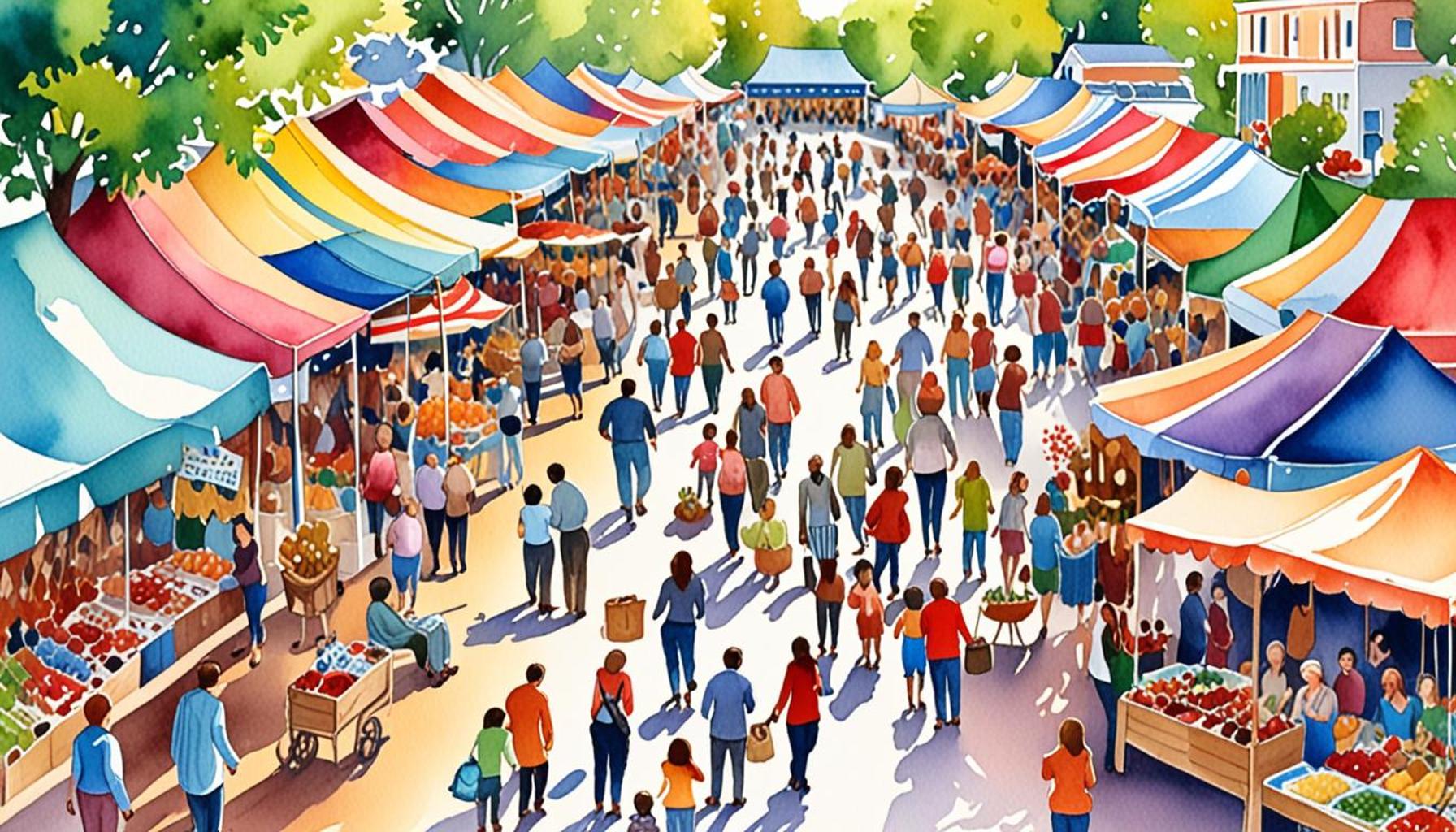
Exploring Local Craftsmanship in Community Fairs
Amidst the hustle and bustle of local fairs and markets, a unique tapestry of craftsmanship unfolds. These gatherings not only serve as platforms for artisans to showcase their work but also function as vital social spaces where community members engage, share, and inspire one another. The mosaic of creativity presented here reflects the diverse talents that often go unnoticed in everyday life.
At local fairs, the strong engagement between creators and consumers is palpable. This direct interaction is more than just a commerce transaction; it is about building relationships and fostering a deeper appreciation for the arts. When customers converse with a potter about the materials used in their latest piece or discuss the techniques behind a handwoven scarf with the artisan, a bond is formed. This relationship not only enhances the shopping experience but also nurtures a sense of belonging within the community.
Moreover, these events act as a hub of innovation, where ideas flow freely and inspire fresh concepts. Artisans often collaborate or exchange ideas, leading to unique products that blend various traditional and modern crafting techniques. For example, a jeweler might experiment with reclaimed wood sourced from a local furniture maker to create a stunning necklace that tells a story of sustainability and local pride. Such intersections of creative thought can spur trends that resonate far beyond the local environment.
Furthermore, local fairs provide essential support for small businesses and individual creators. Networking opportunities abound, allowing artisans to share resources, advice, and techniques. In towns across the U.S., these markets have revitalized local economies, encouraging entrepreneurship while providing shoppers with one-of-a-kind goods. For instance, markets like the Grand Central Market in Los Angeles and the Brooklyn Flea in New York City have become archaeological digs of creativity, where old favorites and new trends come together, promoting local identity and craftsmanship.
For visitors, the chance to encounter handmade goods, from intricate pottery and beautifully crafted textiles to exquisite woodworking, is a feast for the senses. Culinary enthusiasts can relish unique food items made from locally sourced ingredients, such as artisanal cheeses or homemade jams that present flavors reflecting the region’s agricultural bounty. Additionally, live demonstrations of craftsmanship bring an extra layer of excitement, allowing attendees to witness the intricacies of the craft first-hand. This exposure not only educates the consumer but deepens their appreciation of the labor and love that goes into each handmade creation.
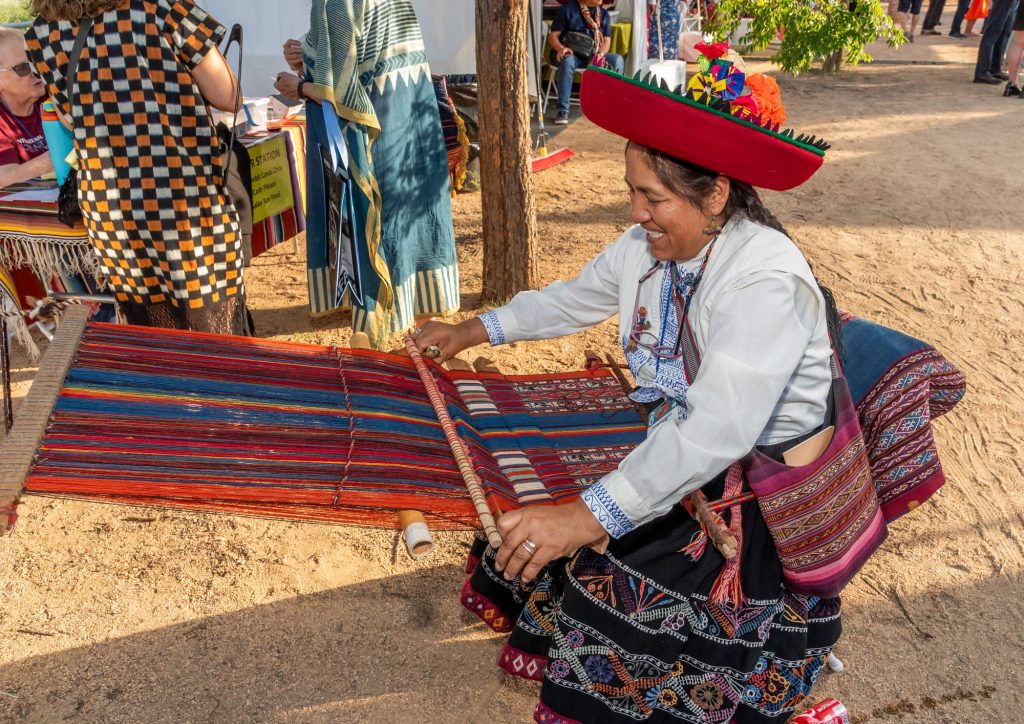
Ultimately, local fairs and markets play a pivotal role in nurturing the artistic ecosystem, sparking a collective creativity that delights residents and attracts visitors alike. These events strengthen community bonds and fuel the spirit of innovation, reflecting both a celebration of local heritage and a commitment to supporting the arts. As you explore these vibrant settings, consider the stories they tell and the connections they forge within the fabric of the community.
DISCOVER MORE: Click here to learn about the power of painting for mental health
The Importance of Interaction in Craftsmanship
At the heart of local fairs and markets is the essence of interaction, an element that not only enriches the experience for shoppers but also deeply influences the artisans themselves. These gatherings foster an environment where creators are encouraged to share their stories and the narratives behind their craft. This dialogue creates a sense of authenticity and deeper connection; a simple exchange about the inspiration behind a beautiful ceramic piece can resonate within the community, sparking new ideas and collaborations.
Artisans also benefit from real-time feedback, a critical aspect of their creative process. When customers express their preferences or provide constructive criticism, it serves as a valuable resource for artists looking to improve or innovate their offerings. For instance, a candle maker might discover that her customers favor scents that evoke nostalgic memories, leading her to develop a line of candles based on regional folklore or personal stories that resonate within the community. This feedback loop not only influences the artisan’s work but also reinforces the notion that craftsmanship is a community-centered endeavor.
Variety of Craftsmanship on Display
Local fairs and markets present an astonishing variety of craftsmanship that showcases the unique talents of community members. Visitors can expect to find:
- Handmade Pottery: Muscle exerted in shaping clay into art, often designed with local aesthetics in mind.
- Artisanal Foods: Unique food products, such as jams, pickles, and baked goods, highlighting local agricultural practices.
- Textiles and Fashion: Handmade clothing and accessories that weave traditional techniques with modern styles.
- Woodworking: Custom furniture and décor items made from sustainably sourced materials, reflecting a commitment to the environment.
This variety not only celebrates the individual artisans but also encapsulates the unique cultural identity of the community. Each product has a story, whether it’s about techniques passed down through generations or materials sourced from nearby locales. This dedication to craft fosters pride among artisans and consumers alike, making local markets vibrant reflections of the area’s heritage.
Local Fairs as Creative Incubators
Beyond serving as markets, these events act as creative incubators where innovation flourishes. Artists often leave their comfort zones, experiment with new techniques, and combine disciplines. A textile artist might team up with a painter to create vibrant fabric prints, or a metalworker could partner with a furniture maker to design multi-functional living pieces. Such collaborations highlight the importance of mentorship and peer interaction, with seasoned artisans encouraging newcomers to take risks and explore their creativity. This exchange of ideas not only enhances the overall artistry exhibited at local fairs but also contributes to a vibrant and evolving local culture.
In conclusion, local fairs and markets embody a rich environment where craftsmanship intersects with community engagement. By emphasizing direct interaction, diverse presentations, and creative partnerships, these events unlock the potential to inspire collective creativity. They offer more than just a venue for buying and selling; they represent a celebration of local talent and an invitation to participate in the ongoing narrative of the community.
| Advantages | Description |
|---|---|
| Stronger Community Bonds | Local fairs and markets foster connections among artisans and residents, creating a sense of belonging. |
| Promotion of Local Talent | These platforms highlight local craftsmanship, allowing artisans to showcase skills and gain recognition. |
| Cultural Exchange | Fairs serve as hubs for cultural diversity, enabling artisans to share techniques and inspirations. |
| Economic Opportunities | These events create job prospects and stimulate local economies through increased commerce. |
As local fairs and markets thrive, they become fertile grounds for collective creativity. Artisans, entrepreneurs, and community members participate, each bringing their unique flair to the table. Workshops and demonstrations at these events allow enthusiasts to learn new skills and appreciate the intricacies of handmade goods. This sharing of knowledge not only enriches individual abilities but cultivates an environment where creative ideas can flourish.Moreover, the challenge and collaboration encouraged by these fairs often lead to innovative products and unique community-inspired art. For example, the blending of traditional methods with contemporary styles can result in stunning pieces that reflect a community’s heritage while appealing to modern aesthetics. Local fairs thus not only amplify the voices of artisans but also create a vibrant tapestry of cultural exchange, significantly enhancing community identity and pride.
DISCOVER MORE: Click here to learn how art can enhance your well-being
The Role of Local Fairs in Economic Development
Local fairs and markets do not merely reflect the artistry and culture of a community; they also serve as significant drivers of economic development. By providing artisans and small businesses a platform to showcase their talents, these events facilitate transactions that can transform a hobby into a thriving business. According to a report by the National Endowment for the Arts, artisans contribute more than $27 billion annually to the U.S. economy, indicating the potential of local craftsmanship when coupled with community support.
These markets serve as a launchpad for aspiring entrepreneurs. Many artisans report that initial exposure at local fairs often leads to long-term customer relationships; participants can effectively gather a loyal customer base while also gaining invaluable experience in self-promotion and marketing. For example, a local soap maker may begin their enterprise at a community fair and, through word-of-mouth and positive engagements, eventually secure shelf space in local boutiques or grocery stores. As such, local fairs act as vital opportunities for sustainability and growth.
Building Community Pride through Collective Ownership
One of the most profound impacts of local fairs and markets is the sense of collective ownership they cultivate within communities. When residents rally around the craftsmanship showcased at these events, they are not just supporting local artisans; they are investing in their own community identity. This collective pride often goes hand in hand with initiatives aimed at preserving local culture and traditions. For instance, many markets dedicate spaces to educate visitors about traditional crafting methods from the area, allowing attendees to participate in workshops that reconnect them with their heritage.
Moreover, by celebrating the uniqueness of local artisans, fairs promote a sense of unity and belonging among visitors and creators alike. Festivals that highlight traditional music alongside handcrafted goods often see increased turnout, as these intersections of art and culture engage a wider audience. Events such as the American Craft Week not only showcase local talent but also encourage attendees to learn about their community’s history and its narrative through crafts, thus deepening their personal and communal ties.
Encouraging Sustainability and Responsible Practices
Local fairs also highlight the significance of sustainability in craftsmanship. Many artisans prioritize eco-friendly practices by utilizing locally sourced materials and minimizing waste in their production processes. For instance, a furniture maker might use reclaimed wood to create unique pieces, marking not just a creative offering but a commitment to environmental responsibility. This conscientious approach resonates with consumers increasingly aware of their purchasing power and its implications for sustainability.
In many regions, fairs emphasize the idea of slow fashion and ethical consumption. Visitors engage directly with creators who are passionate about their processes, often leading to more informed purchase decisions that support not just individual artisans but also more sustainable community ecosystems. Initiatives like “Crafting for a Cause” events, where artisans donate a portion of sales to local charities, further encapsulate the values of community cohesion and altruism.
By unifying economic, cultural, and environmental elements, local fairs and markets stimulate a vibrant cycle of collective creativity that is both nurturing and enduring. This fusion of various aspects of community life positions local crafts as essential threads that weave together the fabric of society, showcasing that when craftsmanship flourishes, so too does the community. It is a mutual growth that inspires not just commerce but also lasting relationships and hometown pride.
DISCOVER MORE: Click here to learn how art can enhance mental well-being
Conclusion: The Lasting Impact of Local Craftsmanship
In conclusion, local fairs and markets are much more than mere gatherings; they are pivotal incubators for collective creativity that rejuvenate communities on multiple fronts. Through the celebration of skilled craftsmanship, these events foster a sense of belonging and community pride, reminding participants of their shared heritage while also paving the way for future generations to engage in traditional arts. The intertwining of artistry with cultural narratives not only deepens individual connections but also enhances the overall identity of the community.
The economic impact is equally profound, as small businesses thrive in these dynamic environments. The ripple effect of supporting local artisans leads to a vibrant marketplace, where innovation is encouraged, and entrepreneurship flourishes. By investing in local crafts, consumers are actively participating in a larger movement that boosts the economy while promoting sustainability and responsible practices. This is particularly significant in a time when conscious consumerism is becoming increasingly important as individuals seek to make positive choices that benefit not only themselves but also the planet.
As we explore the future of local fairs, it becomes clear that they will continue to be vital in weaving the fabric of community life. By prioritizing connections among artisans, consumers, and cultural heritage, these markets not only stimulate economic growth but also strengthen social ties. Ultimately, engaging with local craftsmanship creates a legacy of creativity and collaboration that enriches the community experience, inspiring everyone involved to embrace the beauty of handmade creations and the stories they tell.