Emotional Outlet How Art and Creativity Boost Mental Health
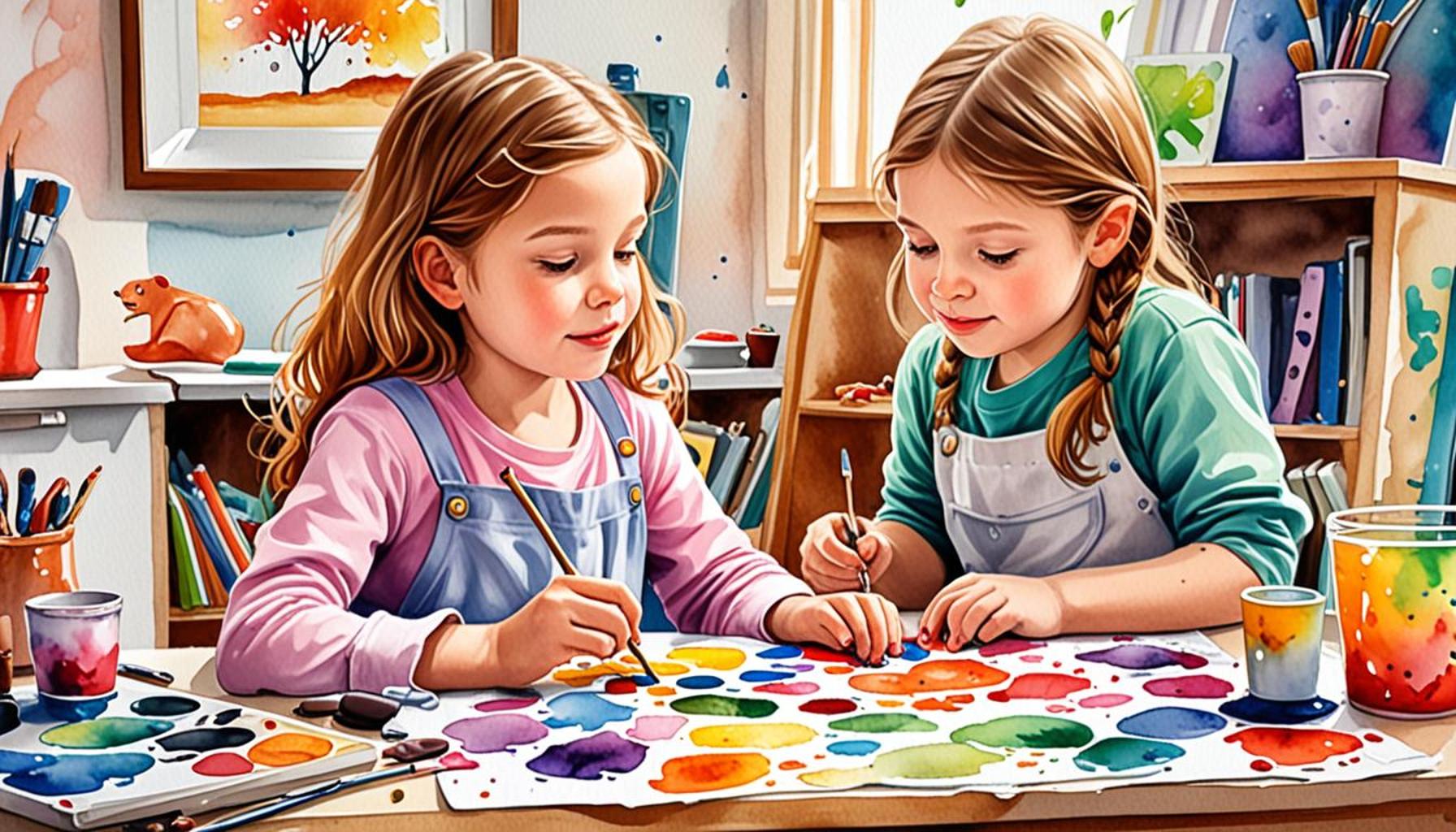
In today’s fast-paced world, the importance of finding healthy outlets for emotional expression cannot be overstated. Engaging in creative hobbies like painting, writing, or playing music serves as a powerful tool for mental well-being. These activities not only provide a sense of fulfillment but also facilitate self-exploration and stress relief.
Research shows that participating in art can enhance mood and reduce symptoms of anxiety and depression. Here are some compelling reasons why creativity is essential for mental health:
- Emotional Expression: Art allows individuals to convey feelings in ways words cannot.
- Stress Relief: Creative activities can act as a distraction from daily pressures.
- Cognitive Benefits: Engaging in art stimulates the brain and promotes new connections.
This article will explore the transformative power of creativity as an emotional outlet. Stay tuned as we dive into the Top 5 Creative Hobbies that can significantly improve your mental health and well-being.
The Importance of Art as an Emotional Outlet: How Creativity Can Enhance Mental Health
In an ever-changing world where mental health is becoming a top priority, many individuals are gravitating towards creative outlets to navigate their emotions. Art, with its myriad forms, acts as a powerful conduit between our internal experiences and our external expressions. This article explores the top five ways through which creativity can profoundly impact mental health, ranked from least to most critical.
5. Art as a Form of Expression
Creative practices like painting, music, or writing provide an extraordinary avenue for individuals to articulate emotions that are often difficult to convey through words. By channeling feelings onto a canvas, writing them down, or expressing them through music, people unlock unique methods of communication. These artistic expressions can often say what words cannot, offering a liberating experience for individuals.
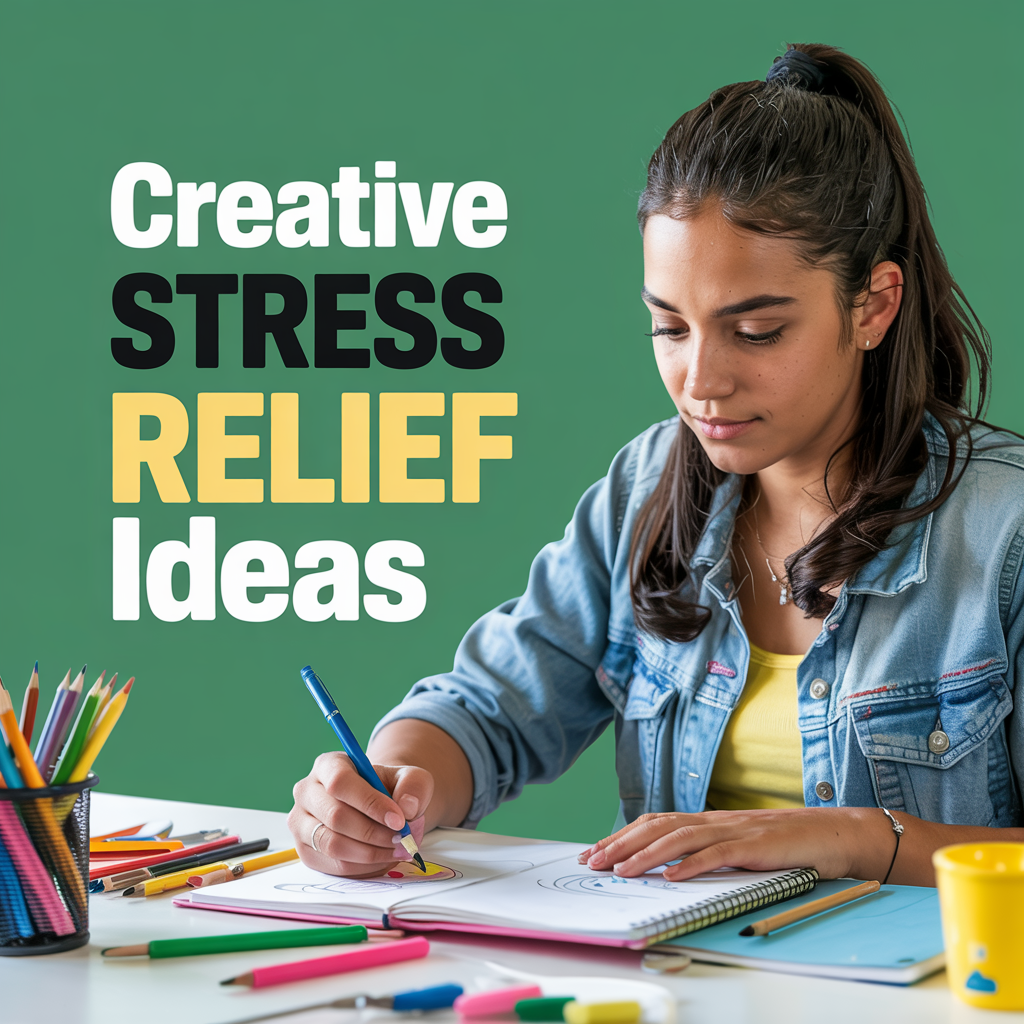
This aspect of art is particularly beneficial for those who find verbal communication challenging. By translating their emotions into art, they can share their stories and emotional journeys. Research suggests that individuals engaged in creative activities often see a noticeable reduction in stress levels while experiencing an uplift in mood. This highlights that art serves not only as an outlet for emotion but also as a medium for emotional understanding.
- Art provides a platform for voicing feelings.
- It aids individuals in conveying intricate emotions.
- Creative endeavors enhance mood and decrease stress.
4. The Therapeutic Benefits of Art Therapy
Art therapy has rightfully gained acceptance as a legitimate therapeutic practice. By marrying psychological principles with art, it facilitates self-exploration and emotional healing. Under the guidance of trained therapists, individuals use art as a tool for insight, relief, and healing, specifically when dealing with trauma.
This therapeutic approach not only fosters creativity but also offers a safe environment for introspection and self-reflection. It is particularly effective for mental health disorders such as depression, anxiety, and PTSD. Numerous studies have found that participants in art therapy programs experience reduced anxiety and enhanced overall well-being, underscoring the practice’s profound impact.
- Art therapy encourages self-discovery and healing.
- It aids in trauma processing and anxiety reduction.
- Participants report noticeable mood improvements.
3. Building Confidence and Self-Esteem through Creativity
The act of creation can be remarkably empowering. Whether one is crafting a painting, composing a song, or penning a poem, these creative activities foster a sense of pride and achievement. The ability to create something tangible serves as a self-esteem booster, allowing individuals to appreciate their skills and capacities.
Sharing one’s creative work can be equally enriching, as it often leads to forming supportive communities. These spaces of shared creativity provide positive feedback and encouragement, reinforcing self-worth and fostering connections with peers who share similar interests. The mutual support found in these communities can have lasting benefits for mental health and emotional well-being.
- Creative achievements bolster self-esteem.
- Sharing work nurtures community and support.
- Fostering support from others enhances mental well-being.
2. Reducing Anxiety and Stress through Artistic Leisure
Hobbies such as painting, playing an instrument, or dabbling in writing serve as effective stress relievers by diverting attention from everyday pressures. These activities encourage individuals to immerse themselves in the present moment, fostering mindfulness and tranquility.
Scientific studies reveal that engaging in artistic activities can lead to a reduction in cortisol, the hormone responsible for stress. As such, creativity becomes more than just leisure—it becomes an essential strategy for emotional regulation and mental clarity. The routine inclusion of creative endeavors in one’s life has been linked to long-term improvements in mental health.
- Creative hobbies offer pleasurable diversions.
- Involvement in art lowers stress hormones.
- Artistic creativity encourages mindfulness and relaxation.
1. Fostering Emotional Resilience through Creativity
At the pinnacle of our exploration is the role of art in fostering emotional resilience. Engaging in creative practices equips individuals with the means to cope with emotional turbulence, offering them resilience to navigate life’s ups and downs gracefully. Through the act of creation, individuals confront their feelings head-on while exploring their capabilities, paving the way for personal growth.
Regular involvement in creative outlets helps individuals build a repertoire of coping strategies, enhancing their adaptability to life’s challenges. Research indicates that those who engage actively in creativity are more adept at rebounding from setbacks, leading to better mental health outcomes and paving the way for holistic personal development.
- Creativity develops strategies to cope with life’s challenges.
- Building resilience leads to personal growth.
- Active engagement in art fosters adaptability and recovery.
In conclusion, art is not merely about creating visually appealing objects or engaging in leisure activities. It is a vital component of mental health and well-being. By serving as a conduit for expression, a therapeutic companion, a confidence enhancer, a stress reliever, and a resilience builder, creative practices hold immeasurable potential for improving the quality of life. As society continues to recognize the importance of mental health, the role of art in fostering emotional wellness becomes increasingly undeniable.
Art has always played a significant role in human expression and communication. One of its most profound impacts can be seen in its ability to serve as an emotional outlet, particularly for those facing mental health challenges. Engaging in creative activities, whether through painting, writing, music, or any other form of art, can provide a medium for individuals to process their emotions and experiences. When individuals tap into their creativity, they often find a sense of relief. Art allows for the expression of feelings that may be difficult to articulate verbally. This non-verbal expression can be vital for those who struggle with traditional methods of communication. For instance, a person dealing with anxiety might find comfort in creating an abstract painting that reflects their tumultuous inner thoughts. The act of creating becomes an avenue for catharsis, helping to release pent-up emotions that could otherwise lead to heightened stress or anxiety.Furthermore, the act of creating art engages both the mind and body, which can enhance overall well-being. Research has shown that artistic activities can increase dopamine levels in the brain, which is associated with pleasure and reward. This biochemical response can encourage feelings of happiness and satisfaction, effectively acting as a natural antidepressant within the framework of creative practices. In many therapeutic settings, art therapy is implemented to harness these benefits, allowing participants to engage in structured creative tasks that promote healing and personal growth.It is also important to consider the community aspect of art. Many forms of artistic expression foster a sense of belonging and connection. Collaborative art projects, local art groups, and community workshops provide invaluable opportunities for individuals to bond over shared creative experiences. This social interaction can combat feelings of isolation, a common struggle for many facing mental health challenges. In a supportive environment, participants can feel more comfortable sharing their thoughts and findings, which only amplifies the healing power of creativity.Moreover, the accessibility of art means that individuals can engage in creative practices almost anywhere and anytime. Whether it’s doodling in a notebook, writing poetry in a quiet park, or creating music on a smartphone application, the opportunities to express oneself are virtually limitless. This accessibility encourages people to incorporate creative activities into their daily routines, promoting mental health maintenance and resilience.Lastly, art as an emotional outlet can shift the focus from mental distress to creativity and exploration. When immersing oneself in creative endeavors, individuals might discover new interests and passions that can provide further positive outlets for mental health. This journey often leads to personal transformations, where individuals begin to recognize their potential and capabilities. In embracing creativity, individuals not only reclaim their narrative but also foster a path towards a healthier mind and spirit.In conclusion, the significance of art as an emotional outlet in maintaining and enhancing mental health is profound. From fostering expression and community to promoting self-discovery and personal healing, creativity stands as a powerful ally in the journey of mental wellness. As individuals continue to explore their artistic paths, they may find not just fleeting relief but also lasting transformation and resilience.
Frequently Asked Questions About the Emotional Benefits of Art
How does art serve as an emotional outlet?
Art has long been recognized as a powerful tool for emotional expression. It provides individuals with a non-verbal way to explore complex feelings and experiences. By engaging in artistic activities, people can channel their emotions into creative expression, which can relieve stress and reduce anxiety. This process helps individuals make sense of their emotions and can even lead to improved mental clarity and emotional balance.
What types of art are most effective for emotional well-being?
The effectiveness of art as a tool for emotional well-being can vary from person to person, but generally, visual arts like painting, drawing, and sculpture are popular choices. These activities allow for a tactile and immersive experience. Performing arts, such as music and dance, can also be profoundly impactful, offering a physical outlet for emotional energy. Ultimately, the best type of art is one that resonates personally with the individual and encourages self-reflection and expression.
Can engaging in art therapy improve mental health?
Yes, art therapy is a recognized therapeutic practice that leverages the creative process to help individuals explore their emotions, develop self-awareness, and manage behavior and addictions. Research has shown that art therapy can lead to significant improvements in symptoms of depression, anxiety, and trauma. The structured environment of art therapy provides a safe space for individuals to delve into their emotions and achieve personal insight under the guidance of a professional.
Why is creativity important for mental health?
Creativity plays a crucial role in mental health by fostering resilience and improving problem-solving skills. Engaging in creative activities can stimulate the brain, leading to increased neuroplasticity—the ability of the brain to adapt and change. This not only helps in recovering from setbacks but also enhances cognitive function and emotional regulation. Furthermore, creativity often encourages mindfulness and being present in the moment, which can promote a sense of peace and reduce stress.
Conclusion: The Therapeutic Power of Creativity
In a world increasingly aware of mental health challenges, the importance of creativity as a therapeutic tool cannot be overstated. Throughout this article, we’ve explored the profound impact of creative outlets, such as painting, writing, music, and other artistic pursuits, in managing mental well-being. The evidence is clear: engaging in art can reduce stress levels, alleviate symptoms of anxiety and depression, and contribute to overall emotional balance.
One key takeaway is the concept of creative expression as a form of emotional release. Art allows individuals to articulate feelings that might be difficult to verbalize, offering a safe space for self-reflection and healing. Additionally, the process of creating art offers a sense of accomplishment and purpose, which can be particularly beneficial in overcoming negative thoughts or feelings of worthlessness. This personal growth extends beyond the art itself, fostering improved self-esteem and resilience.
The Broader Value of Creative Pursuits
Moreover, creative hobbies cultivate a sense of community and connection. Whether participating in art classes or sharing creations online, these activities can build supportive networks, reducing feelings of isolation. This social aspect of creativity is a vital component of maintaining mental wellness.
Ultimately, the role of art in mental health is both significant and multifaceted. Encouraging more individuals to embrace creative outlets could be a game-changer in the broader context of mental health strategies. As we move forward, integrating creativity into daily lives should be seen not only as valuable but essential. Let us continue to explore and embrace the therapeutic potential of creativity, empowering individuals to harness its benefits for their mental well-being.