Exploring Music Dance Creative Expression Emotional Release
Introduction
Creative hobbies are much more than mere pastimes; they are essential pillars for enhancing our well-being. In the hustle and bustle of everyday life, these hobbies provide crucial outlets for self-expression and emotional release. Among the diverse spectrum of creative activities, music and dance stand out as powerful mediums, not only because they are universally accessible, but also due to their profound ability to transcend cultural and linguistic boundaries. These art forms act as bridges that connect individuals to their deepest emotions, fostering a profound sense of connection and understanding.
Engaging in music and dance offers an array of benefits that significantly enhance the quality of life. For instance, the rhythmic beats and melodies of music can lead to an improved mood and reduced stress. This is supported by numerous studies indicating that listening to music or engaging in dance can decrease cortisol levels, which are often elevated during stress. Additionally, the physical movement involved in dance is a fantastic way to achieve enhanced physical health through movement, promoting cardiovascular health, flexibility, and muscle strength.
Moreover, these art forms create opportunities for increased social connection and community. Whether it’s a dance class or a music festival, these activities bring people together, fostering a sense of belonging and shared experience. They are also an avenue for personal reflection and growth, allowing individuals to process their feelings and life experiences through creative expression.
Conclusion
As we delve deeper into this exploration, we will rank the Top 5 ways music and dance contribute to creative expression. This journey will reveal how music and dance can serve as transformative channels for emotional processing and personal creativity. Prepare to be inspired as these invigorating activities illuminate pathways to a more fulfilled and creatively enriched life. As you discover these benefits, it may lead you to further investigate how you can incorporate these enriching activities into your own daily routine.
Exploring Different Forms of Expression: Music and Dance as Channels of Creative Release
Creative hobbies play a pivotal role in the lives of many individuals, providing an outlet through which one can express deep-seated emotions, explore ideas, and unleash artistic potential. Among these hobbies, music and dance stand out as powerful forms of expression. In this article, we will delve into the top 5 aspects of exploring music and dance as channels of creative release, understanding their impact on personal well-being, cultural significance, and social connection.
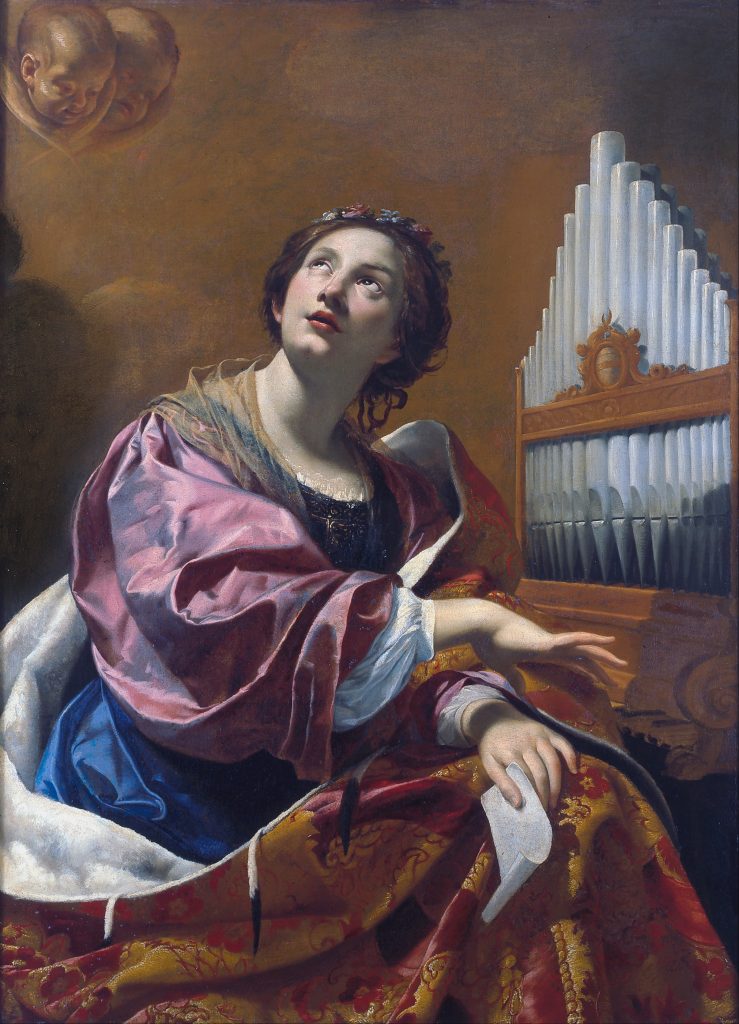
5. The Universal Language of Music
Music transcends language and culture, making it a powerful tool for global communication. Its impact is felt across different societies, conveying feelings and stories that resonate on an emotional level. Listening to music can evoke a plethora of emotions, from joy to sorrow, allowing individuals to process their experiences and connect with others.
Many different genres exist, each with its own unique influence, encapsulating a variety of experiences and emotions. For instance:
- Classical music can foster concentration and calm. Known for its structured compositions and soothing harmonies, classical music often serves as a relaxing background, conducive to intellectual activities such as studying and meditation.
- Rock and pop may fuel a sense of rebellion or excitement. With driving beats and catchy anthems, these genres energize and inspire listeners, often becoming the soundtrack to pivotal cultural movements and personal revolutions.
- Jazz and blues often express deep emotion through improvisation. These genres invite performers and listeners alike to engage in a dynamic conversation, where unexpected turns and spontaneous creativity are celebrated.
By exploring various musical styles, individuals can discover which genres resonate with them personally, enhancing their creative release through music. Access to global music has made it easier for people to immerse themselves in diverse soundscapes, fostering cultural awareness and personal reflection.
4. Dance as Body Language
Dance serves as a physical expression of emotion that communicates feelings that may be difficult to articulate verbally. Whether it’s through ballet, hip-hop, or traditional folk dances, the body becomes an instrument of creative expression. Dance encourages both individual expression and social interaction, often acting as a communal activity in different cultures.
Engaging in dance can bring numerous benefits:
- Improved physical health: Enhances strength and flexibility. Dance is an excellent form of cardiovascular exercise, aiding in weight management and boosting overall fitness levels.
- Social connection: Creates bonds with others through group performances or classes. Dance communities offer support, friendship, and a sense of belonging, helping individuals to forge strong social ties.
- Emotional release: Provides a way to express feelings through movement. Individuals can find relief from stress and anxiety as they move in harmony with the music and with others.
Through dance, participants can often release pent-up emotions, creating a significant impact on mental well-being. The physicality of dance also serves as a vehicle for empowerment, especially in forms like contemporary dance which break away from traditional constraints, encouraging personal growth and self-acceptance.
3. The Healing Power of Music Therapy
Music therapy has emerged as a compelling form of therapeutic practice that utilizes music to address emotional, cognitive, physical, and social needs. This form of therapy is especially beneficial for individuals facing mental health challenges. Research has shown that music therapy can reduce anxiety, depression, and stress, promoting emotional well-being.
Instruments, vocal practices, and even songwriting are employed within music therapy sessions to help individuals confront their emotions and find solace in sound. Participants often use music as a mirror to reflect on their internal states, fostering a deeper understanding of personal struggles.
This therapeutic approach highlights music’s potential as a catalyst for healing, allowing individuals to experience profound creative expression and release hidden thoughts and feelings. The structured exploration of music in therapy provides a safe space to tackle complex emotions, paving the way for recovery and resilience.
2. Dance as a Cultural Expression
Every culture has its own dance forms, and these dances often convey the history and traditions of that culture. Through movements, rhythms, and styles, dancers express social narratives, historical events, and cultural identity. Traditional dances can carry powerful messages, celebrating community and heritage.
Furthermore, contemporary dance forms have arisen from cultural amalgamations, emphasizing the importance of creativity in representing diverse identities. In the modern world, as cultures blend and influence one another, new dance forms and styles emerge, showcasing the fluidity of cultural expression.
Engaging in cultural dance practices allows individuals not only to explore their heritage but also to understand and appreciate the heritage of others, enriching their understanding of themselves and fostering connections with others. For example, participating in traditional Indian dance forms like Bharatanatyam or African tribal dances opens pathways to cultural exchange and mutual respect.
1. The Synergy of Music and Dance
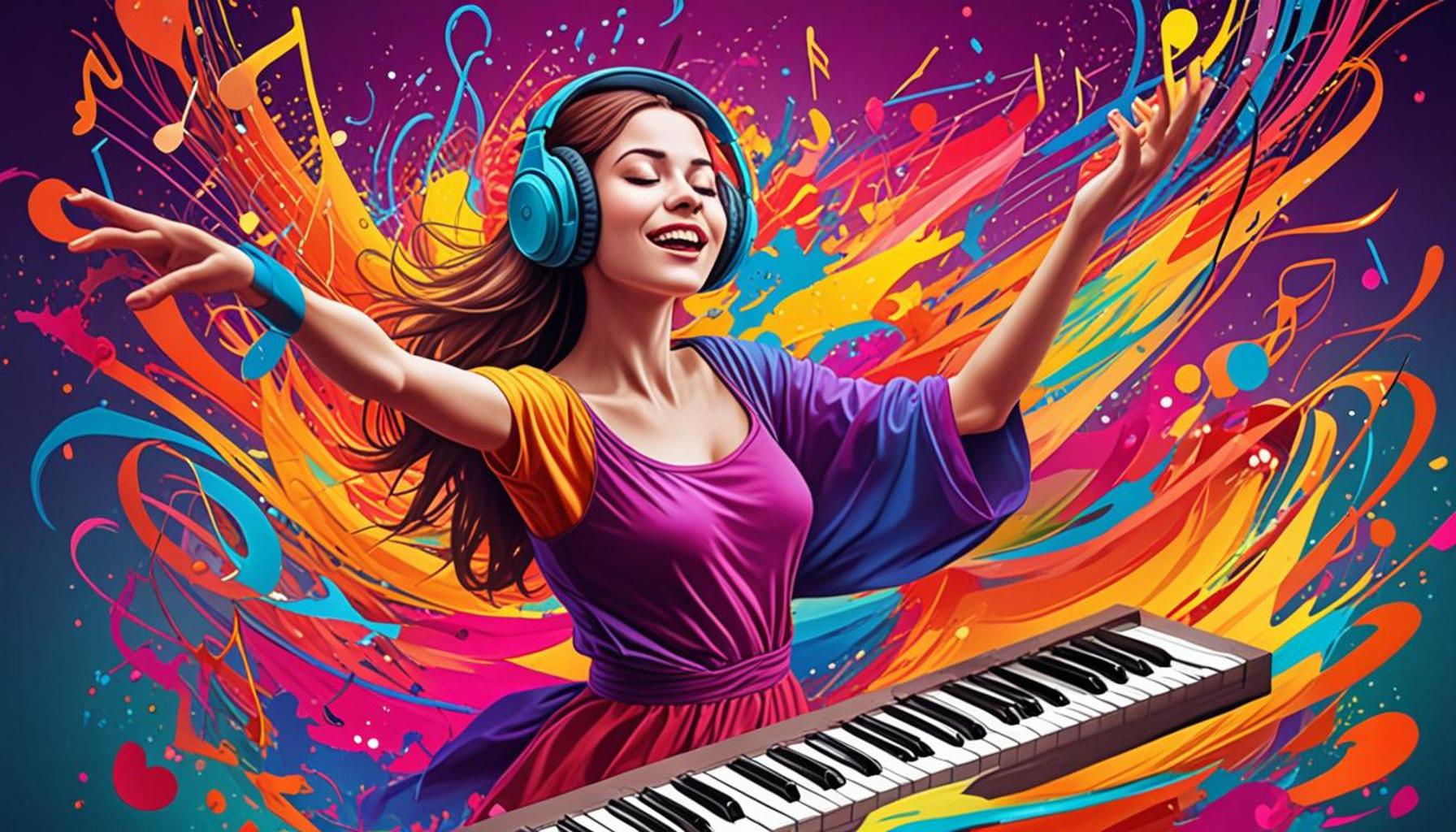
Combining music and dance provides a unique channel for creative release that elevates both practices. The synchronization between rhythm and movement creates an immersive experience; when music and dance come together, they amplify emotional expression and engagement. This synergy unlocks creativity, allowing individuals to express themselves fully.
Furthermore, experimenting with creating choreography that aligns with specific musical pieces can encourage deeper artistic exploration. This collaborative form of expression often leads to innovative performances that engage audiences and challenge traditional boundaries in both art forms.
In professional performances as well as everyday settings, the blend of music and dance can tell stories without words, enabling performers and audiences to embark on a shared emotional journey. This has been illustrated through works like ballets or musicals where the combination of music composition and choreography creates a narrative that resonates deeply with audiences worldwide.
In conclusion, music and dance serve as profound channels of creative release, providing individuals with unique ways to express and explore their emotions. By embracing these forms of expression, one can enhance personal well-being, connect with others, and celebrate cultural richness, unlocking a world of creativity waiting to be discovered. Music and dance, in their myriad forms, continue to inspire and elevate the human experience, resonating across boundaries and bringing joy and understanding to countless lives.
| Category | Description |
|---|---|
| Emotional Expression | Both music and dance serve as powerful mediums for expressing emotions that might be difficult to articulate verbally. The beats and rhythms of music can evoke feelings ranging from joy to sadness, while the movements of dance can capture the intricacies of human emotion. |
| Cultural Identity | Through various forms of expression, such as traditional music and folk dances, communities can communicate their unique cultural identities. These artistic expressions are vital for passing down values, history, and communal bonds throughout generations. |
| Therapeutic Benefits | Engaging in music and dance can have profound therapeutic benefits. They can reduce stress, enhance mood, and improve overall mental health. Participating in these activities allows individuals to channel their feelings constructively, fostering emotional release. |
| Social Connections | Both art forms create opportunities for social interaction. Collaborative music-making or group dancing can strengthen community ties and facilitate friendships, as individuals unite in shared experiences and expressions. |
Frequently Asked Questions on Music and Dance as Creative Expression
What makes music and dance effective channels for creative expression?
Music and dance allow for a profound personal connection that transcends language and cultural barriers. These forms of expression enable individuals to convey emotions, stories, and ideas in a manner that can be both deeply personal and universally understood. Research suggests that engaging in these activities can enhance cognitive abilities, reduce stress, and improve overall well-being. This duality of personal fulfillment and collective empathy makes music and dance unique catalysts for creative liberation.
How do music and dance influence cultural identity and community bonding?
Music and dance have long been integral to the preservation and celebration of cultural identities. Through rhythm and movement, communities express shared values and histories, forging strong communal bonds. In many traditions, these art forms are pivotal in rituals and celebrations, serving as a unifying force that not only embodies cultural heritage but also adapts and evolves with contemporary influences, thus maintaining their relevance and vibrancy.
Can beginners benefit from exploring music and dance as creative outlets?
Absolutely. Engaging with music and dance at any level can be immensely liberating and educational. For beginners, these activities offer an opportunity to explore personal creativity and self-expression. They can boost confidence as individuals learn new skills and discover their own expressive preferences. Additionally, starting music or dance encourages a growth mindset, where the emphasis is placed on progress and exploration rather than perfection.
Are there therapeutic benefits associated with music and dance?
Yes, numerous studies highlight the therapeutic benefits of music and dance. These activities are often used in therapy to enhance mental health, aid physical rehabilitation, and improve emotional resilience. Music therapy, for instance, can help manage anxiety, enhance memory, and improve communication skills in various populations, including those with neurological disorders. Dance therapy, likewise, can increase physical coordination, boost mood, and support emotional expression.
How are music and dance being used in contemporary digital platforms?
Digital platforms have revolutionized the accessibility and reach of music and dance, allowing individuals across the globe to engage with these art forms. Platforms like YouTube and TikTok provide a stage for global visibility, enabling artists to showcase their talents and connect with diverse audiences. Additionally, virtual classes and streaming services offer opportunities for learning and experiencing a broad spectrum of musical and dance styles, breaking down geographical barriers and fostering a global exchange of creative ideas.
Conclusion
In exploring the multifaceted realm of creative expression, music and dance emerge as profound channels for creative liberation. Both art forms, enriched by a rich tapestry of cultural history and personal innovation, serve as vital outlets for individuals to articulate their emotions and ideas without the boundaries imposed by language or social norms. As this article has highlighted, music and dance are not solely artistic endeavors; they are immersive experiences that connect individuals to diverse communities and personal self-discovery.
Music offers a dynamic medium through which one can experiment with sound, rhythm, and melody, reaching beyond the rational to touch the emotional essence of human experience. It invites participants to reflect and resonate, crafting a symbiotic relationship between the musician and the listener that transcends conventional communication.
Similarly, dance, with its physicality and form, allows for a powerful exhibition of personal and cultural narratives. It transforms abstract feeling into motion, enabling performers and audiences alike to explore and witness the breadth of human spirit. Whether through the structured discipline of ballet, the joyful spontaneity of street dance, or the communal energy of cultural tradition, dance presents an unparalleled mode of expression.
Ultimately, engaging in music and dance as creative hobbies fosters a deep connection to one’s inner self and to others, reinforcing the crucial role these forms play in nurturing emotional and mental well-being. As we continue to navigate a fast-paced and often fragmented world, cultures worldwide can find solace and unity through the universal language of music and dance. Dive into these creative forms and explore their healing potential, allowing your imagination to flow uninhibited and vibrant.