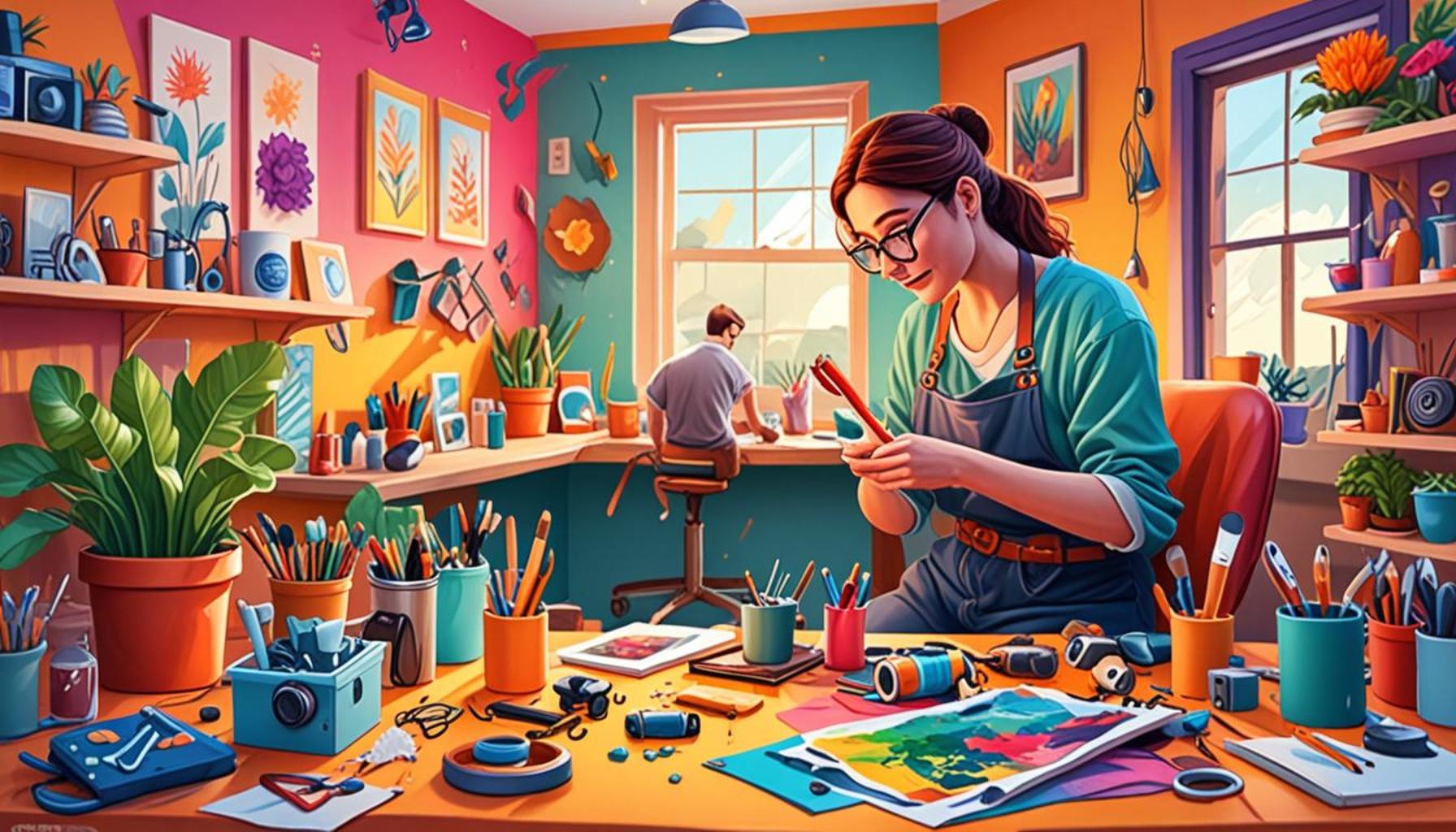
Transform Ideas into Products Turn Creative Hobbies into Startups

Introduction
In an era where innovation is highly prized, the ability to transform ideas into tangible products has never been more essential. Creative hobbies often provide a fertile ground for individuals to explore their passions and, surprisingly, can lead to successful entrepreneurial ventures. The fusion of creativity and business acumen has given rise to numerous startups that stemmed from simple pastimes.
Many aspiring entrepreneurs discover that their love for art, crafting, cooking, or another hobby can flourish into a full-fledged business opportunity. This phenomenon is not just about self-expression; it reflects a deeper trend where personal interests meet market demands. These entrepreneurial endeavors not only bring joy but also contribute significantly to the economy.
To inspire your journey from passion to profit, we have compiled a list of the Top 5 creative hobbies that have the potential to become innovative products and successful startups. Discover the possibilities that lie within your creative talents and learn how to navigate this exciting path!
The Art of Transforming Ideas into Products: How Creative Hobbies Can Generate Innovative Enterprises
In today’s dynamic world, where innovation drives economic progress, finding unique pathways to entrepreneurship is essential. For many, creative hobbies are not just sources of personal joy but also harbingers of business opportunities. In this article, we’ll delve into the fascinating transformation of hobbies into successful products, demonstrating how creativity serves as the heartbeat of today’s business landscape.
5. Crafting Unique Handmade Goods
The renaissance of crafting and handmade goods has seen an incredible upswing, driven by a growing consumer desire for authenticity and personalization. No longer merely a pastime, crafting is becoming a viable business model for those with an artistic flair. Whether it’s fashioning intricate jewelry pieces or creating bespoke home decor items, crafting allows individuals to capitalize on their skills and passions.

In a world teeming with mass-produced goods, many consumers are yearning for something unique and personal. This preference has sparked a movement that values the artisan’s touch over the uniformity of factory production. Consumers often seek out:
- Jewelry: Exquisite, one-of-a-kind creations that resonate personally with the buyer.
- Home Decor: Artisan pieces that add warmth and character to any living space, often becoming conversation starters.
- Fashion Accessories: From vibrantly patterned scarves to handmade bags and stylish hats, these items allow for personal expression.
Platforms like Etsy provide an accessible marketplace for craftspeople, offering the tools and visibility necessary to reach a global audience. This democratization of commerce enables artisans to turn hobbies into thriving businesses that reflect their unique vision and creativity.
4. Digital Art and Design
With technological advancements shaping our world, digital art has emerged as a powerful medium for creative expression. For artists, the digital realm offers limitless possibilities, enabling them to showcase and monetize their skillsets in innovative ways. Unlike traditional art forms, digital creations can be replicated, edited, and distributed with ease, expanding the potential audience exponentially.
The digital sphere also offers diverse revenue streams that were previously inaccessible. Artists can monetize their work through:
- Stock Photo Websites: Platforms that require high-quality images for diverse applications, from marketing materials to editorial content.
- Print-on-Demand Services: These services turn art into merchandise, such as apparel or home goods, providing a broad market for unique designs.
- Freelance Gigs: Websites dedicated to connecting businesses with freelance designers offer lucrative opportunities for bespoke digital content creation.
The insatiable demand for digital content ensures that artists can effectively transform their passions into profitable ventures, showcasing their creativity in a constantly evolving medium.
3. Blogging and Content Creation
The evolution of blogging from a leisurely pursuit to a formidable business endeavor highlights the power of written word in the digital age. Individuals with a keen interest in specific subjects can build influential platforms, drawing readers who share their passion. The journey from hobbyist to entrepreneur in this domain is often fueled by dedication, consistency, and the ability to connect emotionally with an audience.
Successful blogs typically rest on three crucial pillars:
- Niche Identification: Targeting specific topics that engage a particular audience, ensuring the content is both relevant and compelling.
- Valuable Content: Creating insightful, well-researched articles that resonate with readers, encouraging return visits and community building.
- Social Media Utilization: Leveraging platforms like Instagram, Twitter, and Facebook to amplify reach and foster engagement.
Monetization avenues such as advertising, affiliate marketing, and sponsored posts allow bloggers to earn income while pursuing their passion for writing. By consistently delivering quality content, bloggers can grow hobbies into well-respected and profitable brands.
2. YouTube and Online Video Creation
In the digital age, video content reigns supreme, making platforms like YouTube essential for content creators. Video creators skilled in storytelling and production have the opportunity to cultivate significant followings, translating their hobbies into income-generating enterprises.
Success on YouTube often hinges on a few strategic elements:
- Content Consistency: Regular uploads keep audiences engaged and signal reliability, crucial for maintaining a dedicated viewership.
- Audience Interaction: Engaging with viewers through comments and feedback fosters community and loyalty.
- Trend Adaptation: Balancing current trends with unique content offerings ensures relevance and freshness.
By utilizing sponsorships, advertisements, and merchandise sales, YouTubers can convert their enthusiasm into significant revenue streams, demonstrating that passion and authenticity are key ingredients for success in the video realm.
1. Developing Apps and Games
For those with a blend of creativity and technical prowess, app and game development remains one of the most profitable channels for hobby-to-business conversion. The proliferation of smartphones and digital devices has heightened demand for innovative applications and engaging mobile games.
To thrive in app and game development, creators must prioritize:
- User Needs: Developing solutions that address specific problems or desires enhances user satisfaction and retention.
- User-Friendly Design: Ensuring intuitive navigation and a seamless experience optimizes user engagement and enjoyment.
- Compelling Storytelling: Integrating narrative elements that captivate users, ensuring prolonged interaction and interest.
With countless possibilities and a vast market, app and game development offers unparalleled opportunities to translate innovative ideas into lucrative products.
In summation, the transformation of creative hobbies into vibrant business ventures illustrates the boundless potential of innovation. Whether through crafting, digital artistry, content creation, video production, or app development, harnessing one’s creativity can lead to impactful and fulfilling entrepreneurial success. By marrying passion with strategic vision, hobbyists can craft remarkable career paths that marry personal satisfaction with professional achievement.
| Category | Details |
|---|---|
| Innovation | Creative hobbies foster out-of-the-box thinking, allowing individuals to explore unique solutions and ideas that can lead to entirely new products. This spirit of experimentation is often the cornerstone of today’s most innovative startups. |
| Market Opportunities | Transforming hobbies into business ventures often uncovers niche markets that have been overlooked. For example, products tailored for specific hobbies, such as customized gardening tools or specialty crafting supplies, can attract dedicated enthusiasts eager to invest in tools that enhance their passion. |
| Community Engagement | Hobby-driven entrepreneurship often leads to the formation of communities around shared interests. This can increase brand loyalty and customer engagement, as hobbyists are more likely to support brands that resonate with their passions. |
| Skill Development | Venturing into the business world through hobbies equips individuals with practical skills such as marketing, sales, and customer service, all while improving their craft. These competencies can significantly enhance their employability and entrepreneurial potential. |
Frequently Asked Questions
What are some key steps to turning a creative hobby into a successful business?
Transitioning a hobby into a business involves several important steps. Firstly, it’s crucial to validate your idea by researching the market and identifying potential demand. Networking with others in your field can also provide valuable insights. From there, creating a business plan is essential. It should outline your goals, budget, and marketing strategies. Finally, consider starting small, allowing space for experimentation and growth, before scaling up your operations.
How do creative hobbies typically contribute to innovation in business?
Creative hobbies often serve as a fertile ground for innovation by fostering a unique mindset, encouraging risk-taking and problem-solving. Individuals engaged in such activities tend to approach challenges differently, drawing on diverse influences and experiences. This can lead to novel product ideas or inventive ways of delivering services that stand out in competitive markets.
Can turning a hobby into a business affect the passion for the hobby itself?
Transforming a passion into a career has its pros and cons. On one hand, it can be immensely fulfilling to earn a living doing what you love. On the other, it might lead to pressure and stress that could diminish your initial passion. Maintaining a balance by keeping certain aspects of the hobby personal and preserving periods of non-commercial exploration is crucial for sustained enjoyment.
What are some common challenges people face when monetizing their hobbies?
When monetizing hobbies, individuals often encounter challenges such as financial risk, lack of business expertise, and the potential for creative burnout. Many may also struggle with marketing and reaching their target audience effectively. Overcoming these hurdles requires continuous learning, seeking professional guidance, and staying adaptable to evolving market trends.
Are there examples of successful businesses that began as creative hobbies?
Numerous successful enterprises began as creative pastimes. Examples include companies like Etsy, which started as a platform for selling handmade crafts, and Ben & Jerry’s, which began with a simple passion for crafting delicious ice cream. These success stories demonstrate how a hobby, when combined with strategic planning and business acumen, can grow into a thriving venture.
Conclusion
The exploration of transforming creative hobbies into innovative enterprises underscores the profound impact of passion-driven endeavors in the business landscape. As we have navigated through this subject, it is evident that creative hobbies not only serve as personal outlets but can also blossom into groundbreaking ventures. By examining this transformative journey, the article highlighted the key elements which include enthusiasm, skill development, market outreach, and perseverance.
The first major takeaway is the realization that passion fuels creativity. Hobbies that ignite personal joy often lead to exceptional ideas, stemming from genuine interest and dedication. Secondly, the acquisition and continuous refinement of skills associated with hobbies build the foundation for future success. These skills are invaluable assets that differentiate products in a competitive marketplace.
Additionally, understanding market dynamics remains critical. As emphasized, a hobbyist must transition from a creative process to an entrepreneurial mindset, identifying and reaching out to potential customers. This journey requires tailored strategies which include crafting unique value propositions that resonate with the audience.
Moreover, the role of networking and community is crucial. Engaging with fellow enthusiasts and professionals can provide insights, support, and opportunities that can propel a project forward. Finally, the persistence needed to overcome challenges and sustain momentum was highlighted as a fundamental trait for success.
In conclusion, transforming creative hobbies into entrepreneurial ventures represents a union of art and commerce. It not only encourages personal fulfillment but also contributes to innovation in various industries. For aspiring entrepreneurs, the message is clear: nurture your passions and explore the potential they hold. This process may offer surprising pathways to success and redefine the business landscape in dynamic ways.