Eco-Friendly DIY Transform Recycled Materials into Creative Useful Projects
Introduction
In an era where sustainability has become a crucial part of our daily lives, embracing eco-friendly practices can be both fulfilling and creative. The trend of transforming recycled materials into unique DIY projects not only helps reduce waste but also ignites our imagination, allowing us to craft practical items out of seemingly useless materials. Whether you’re an experienced crafter or just starting, there is an array of exciting possibilities waiting to be explored.
Engaging in creative hobbies that focus on sustainability isn’t just about making things; it’s about generating awareness and fostering a culture of reuse. From old pallets and glass jars to scrap fabric and tin cans, the items around us can find new life through our creativity. As we delve into this rewarding practice, you’ll discover innovative ways to repurpose materials while also enriching your skillset.
Get Inspired with the Top 5 Projects
In this article, we’ll guide you through five remarkable DIY projects that showcase how recycled materials can be transformed into creative and useful creations. Get ready to unlock your artistic potential and join the movement toward a more sustainable lifestyle.
Top 5 Sustainable DIY Projects: Transforming Recycled Materials into Creative and Useful Items
The world of DIY sustainable projects is a delightful realm where creativity meets environmental consciousness. With a growing awareness of climate change and waste management, people across the globe are increasingly drawn to the idea of reimagining existing materials. Utilizing recycled materials not only minimizes waste but also fosters innovation, producing useful and stylish items for everyday life. Here, we present our top 5 impactful projects that exemplify how you can transform what would otherwise be waste into beautiful and functional creations. Prepare to be inspired as you discover how these projects can change your perception of ordinary, discarded items.
5. Upcycled Planters
Transforming discarded containers into planters is a practical and visually appealing way to incorporate sustainability into your home. With an eye for detail and some creativity, materials like tin cans, plastic bottles, and even old shoes can be repurposed to create eye-catching green spaces within your interior or garden. This DIY approach not only adds charm to your surroundings but also serves as a reminder of the countless ways to repurpose everyday items.
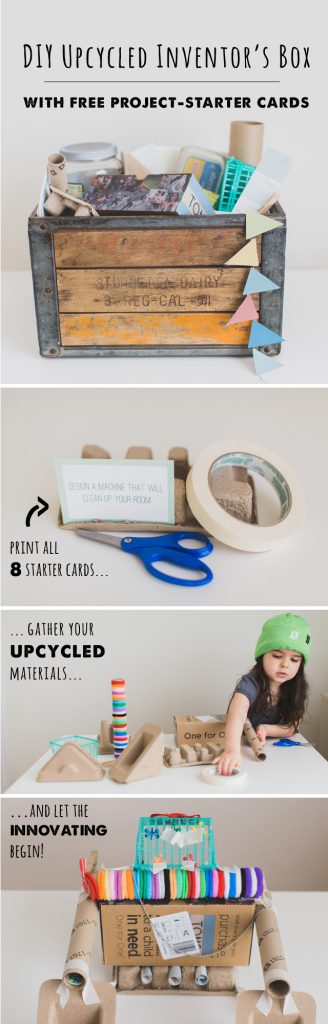
To embark on this eco-friendly venture, start by thoroughly cleaning and drying your chosen containers. It’s crucial to drill drainage holes in the base to prevent water accumulation from damaging the roots of your plants. Enhance the aesthetic appeal by employing eco-friendly paint or natural embellishments. Consider utilizing:
- Tin cans: Ideal for herbs grown on sunny kitchen windowsills, their compact size and metallic sheen can visually enhance your kitchen space.
- Plastic bottles: Perfect for creating vertical or hanging gardens, these bottles can save space and make excellent outdoor decorations.
- Old shoe boots: For a more whimsical touch, these can be turned into charming plant holders, adding character to your garden while reducing landfill contributions.
Not only do these planters help reduce plastic waste, but they also bring life and color to your space, teaching the importance of recycling.
4. Furniture Makeover Using Pallets
The wood from pallets, often overlooked, represents an abundant and versatile resource that can be repurposed into stunning pieces of furniture with minimal cost. Instead of discarding or underutilizing pallets, consider their potential for transformation into stylish coffee tables, patio furniture, or even decorative wall art. Each creation speaks to the unique possibilities inherent in reclaimed wood.
The process begins with selecting the right pallets. It’s essential to ensure they are free from harmful chemicals and to inspect them for physical damage. Once you’re confident in their condition, the next steps are:
- Sanding: Smooth out the rough wood surfaces to avoid splinters and prepare for finishing.
- Painting or staining: Apply colors or finishes that match your decor and personal style.
- Assembling: Use basic carpentry skills to construct functional and aesthetic furniture pieces.
Beyond providing homes with unique character, these projects underscore the importance of reducing waste by building anew from what already exists.
3. Handmade Paper from Recycled Materials
Creating your own paper from discarded scraps like old newspapers, magazines, and cardboard is a deeply rewarding project. It combines creative satisfaction with practicality, as the custom paper can be utilized for arts and crafts, greeting cards, or personal journals. This artistic endeavor breathes new life into overlooked materials.
Begin by tearing the papers into small pieces before soaking them in water overnight to break down the fibers. Blend the soaked paper to form a pulp, which can then be spread thinly on screens or mesh to dry and mold into paper sheets. Once dried, these bespoke papers provide unique textures and appearances that enhance any project they are part of.
This project illustrates not only the effectiveness of recycling but also engages you in crafting something entirely new from the old, fostering a sense of accomplishment and environmental stewardship.
2. Upcycled Clothing Projects
Fashion waste poses a significant environmental challenge today. Instead of discarding old clothes, why not transform them into something new and purposeful? Sewing and crafting from outdated apparel can breathe fresh life into wardrobe staples, while simultaneously addressing sustainability.
Here are some sustainable clothing projects to consider:
- Tote bags from denim jeans: Perfect for those looking to combine durability with fashion, these bags are both functional and stylish.
- Scarves from old sweaters: Converting unwanted sweaters into cozy scarves supports warmth and style while minimizing textile waste.
- Patchwork quilts from various fabric scraps: Each quilt tells a story, weaving together different fabric histories into new, usable art.
These creations not only reduce clothing waste, they allow you to express your personality through custom items, contributing towards a more sustainable fashion landscape and setting a precedent for others to rethink textile disposal.
1. Eco-Friendly Home Décor with Glass Jars
At the pinnacle of our sustainable list is the ingenious use of glass jars in home décor. Rather than disposing of jars from past purchases, these can be repurposed into elegant storage solutions, unique candle holders, or innovative light fixtures. Such projects are excellent examples of turning waste into tasteful, practical objects.
Here are some transformative ideas for using glass jars effectively:
- Storage: Perfect for organizing kitchen staples or craft supplies, these jars facilitate clear and tidy living spaces.
- Personalized gifts: Decorated and filled with homemade treats, these jars make thoughtful and environmentally conscious gifts.
- Lighting solutions: Transform jars into atmospheric lanterns or wall sconces to add warmth and light to your home ambiance.
These ideas highlight the versatility of glass jars while promoting a zero-waste lifestyle. By focusing on repurposing rather than discarding, you not only enhance the functionality of your living space but also contribute to an eco-friendlier lifestyle.
In conclusion, engaging in sustainable DIY projects that prioritize the use of recycled materials fosters creativity, environmental responsibility, and self-sufficiency. These projects encourage us to look beyond the surface, to see the potential in what we might have considered refuse. So, as you embark on your next project, remember: every piece of waste has the potential to become something beautiful and useful once more.
| Category | Details |
|---|---|
| Eco-friendly Solutions | Utilizing recycled materials helps reduce waste and promotes a sustainable lifestyle. Projects made from recycled items not only keep materials out of landfills but also lower the consumption of raw resources. |
| Cost-effectiveness | Creating items from used or discarded materials can significantly cut costs. Many projects can be completed with items you already own or can obtain for free, making DIY sustainable practices budget-friendly. |
| Personalization | DIY projects allow for creativity and personalization, offering individuals the chance to express their unique style. Transforming recycled materials into custom items ensures that each project reflects the creator’s personality. |
| Community Engagement | Engaging in DIY sustainable projects fosters a sense of community. Collaborating on projects or sharing ideas with others can amplify the impact, leading to collective efforts in sustainability. |
The exploration of sustainable DIY projects highlights the profound impact of creativity on both individual lives and the planet. The emphasis on making eco-friendly choices resonates with a growing awareness of environmental issues. Each advantage intertwines with global efforts to foster a cleaner and more resilient world, encouraging individuals to rethink their consumption patterns and consider the extensive possibilities of recycling. By shifting focus to innovative methods of using discarded materials, we can pave the way for functional art that captures the spirit of sustainability—turning everyday trash into treasure. The ripple effect created by these creative solutions not only inspires excitement but also strengthens community bonds, undeniably showcasing the dynamic potential of sustainable living.
Frequently Asked Questions about DIY Sustainable Projects
What is the main benefit of using recycled materials for DIY projects?
The primary benefit of using recycled materials in DIY projects is the positive impact on the environment. By repurposing items that would otherwise end up in landfills, you contribute to reducing waste and conserving natural resources. Additionally, creating with recycled materials often leads to unique and innovative designs, giving you the chance to develop truly bespoke pieces. It also encourages creativity and innovative thinking as individuals look for new ways to utilize what they have available.
Which materials are commonly recycled for DIY projects?
Many materials can be reused in creative DIY projects. Common items include glass jars, plastic bottles, old textiles, cardboard, and even metal cans. Each material offers distinct characteristics and can be transformed into a myriad of functional and decorative objects. For example, glass jars can be turned into chic vases or storage containers, while cardboard can be cut and shaped into organizational boxes. The key is to see the potential in the seemingly mundane.
How can I ensure my DIY projects are sustainably sourced?
To ensure your projects are sustainably sourced, start by using materials that you already have at home or that you acquire through environmentally friendly means, like thrift stores or community swaps. Avoid buying new materials whenever possible. Research and apply eco-conscious crafting techniques, such as minimizing resource usage and opting for non-toxic adhesives and paints. Sustainability also involves considering the lifecycle of your creation, so think about how your item can be recycled or disposed of responsibly once it’s no longer needed.
Can recycled materials be as durable as new ones?
While the durability of recycled materials can vary, many can be just as sturdy as their newly manufactured counterparts, particularly when you are conscious of the items you select and how you treat them. For instance, repurposed wood can be just as resilient as new lumber if properly prepared and treated. Testing and reinforcing materials where needed is essential to ensure longevity, especially when repurposing for heavy-duty use.
What are some popular DIY projects with recycled materials?
A range of popular projects exists for those looking to embark on sustainable DIY ventures. Common options include creating planters from old tires, crafting decorative items from wine corks, and assembling furniture from reclaimed wood pallets. Beyond the popular choices, the exciting aspect of DIY with recycled materials is the endless potential for creativity and personalization in every project. Your imagination is truly the only limit!
Conclusion: Unleashing Creativity Through Sustainable DIY Projects
In the realm of creative hobbies, DIY projects offer a unique blend of creativity and sustainability, transforming recycled materials into ingenious and functional items. This practice not only fosters an environmentally friendly lifestyle but also sparks unparalleled innovation in everyday living. As highlighted throughout this article, the journey from discarded objects to prized creations is filled with possibilities, allowing individuals to reimagine and repurpose the mundane.
Delving into the top five sustainable DIY projects, we explored how items like glass jars, old fabrics, and wooden pallets can be revolutionized into elegant decor and useful household items. These transformations not only reduce waste but also inspire a wave of ingenuity that challenges traditional concepts of consumption and waste. By embracing these practices, enthusiasts contribute to a more sustainable planet while enriching their creative repertoire.
The importance of DIY sustainable projects extends beyond environmental benefits. They cultivate a sense of achievement, empowering individuals to create with purpose and responsibility. This intersection of creativity and environmentalism offers a new perspective on the value of materials, encouraging a mindful approach to resource consumption.
In essence, sustainable DIY initiatives represent a thriving intersection where creativity meets conscientious living. As we navigate the challenges of environmental sustainability, the role of creative hobbies cannot be understated. Engaging with recycled materials not only reduces waste but also opens a world of artistic possibilities. By continuing to explore and innovate, we pave the way for a future where resourcefulness and sustainability coexist harmoniously, urging everyone to find beauty and utility in the overlooked.