
Exploring Narrative Roles in Board Game Design A Creative Journey

Introduction
The world of board games has evolved into a vibrant canvas of creativity, intricately woven with narrative elements that enhance player experiences. As enthusiasts engage in these creative hobbies, the role of storytelling becomes paramount in defining gameplay and emotional investment. Understanding how narrative intertwines with game design not only enriches the gaming experience but also inspires creators to push boundaries.
Narratives in board games serve multiple functions: they create immersive worlds, develop characters, and provide context for player choices. With a plethora of examples illustrating this connection, we can explore how effective storytelling can transform a simple game night into an unforgettable adventure.
In this article, we will delve into the top 5 examples of board games where narrative plays a crucial role. These selections highlight the diverse ways that storytelling influences design, gameplay mechanics, and player interaction, inviting both players and designers to discover the power of stories in board games.
Top 5: Exploring the Role of Narrative in Board Game Creation: A Creative Adventure
Board games have experienced a remarkable evolution, moving far beyond their humble origins of straightforward mechanics and simple objectives to become complex, narrative-driven experiences that captivate a diverse audience. This transformation is not just about more intricate rules or fancier components; it’s about creating immersive worlds where stories are not just told, but lived. In this article, we explore the top five facets of narrative in board games, illuminating how each element enhances player engagement and brings the game to life.
5. The Importance of Theme
Every great board game begins with a compelling theme, which serves as the backbone of the gaming experience. A robust theme anchors players into a particular world or concept, often inviting them to step into scenarios that stretch the imagination. Whether it’s the medieval landscapes of “Catan” or the dystopian wastelands of “Fallout,” theme sets the stage.
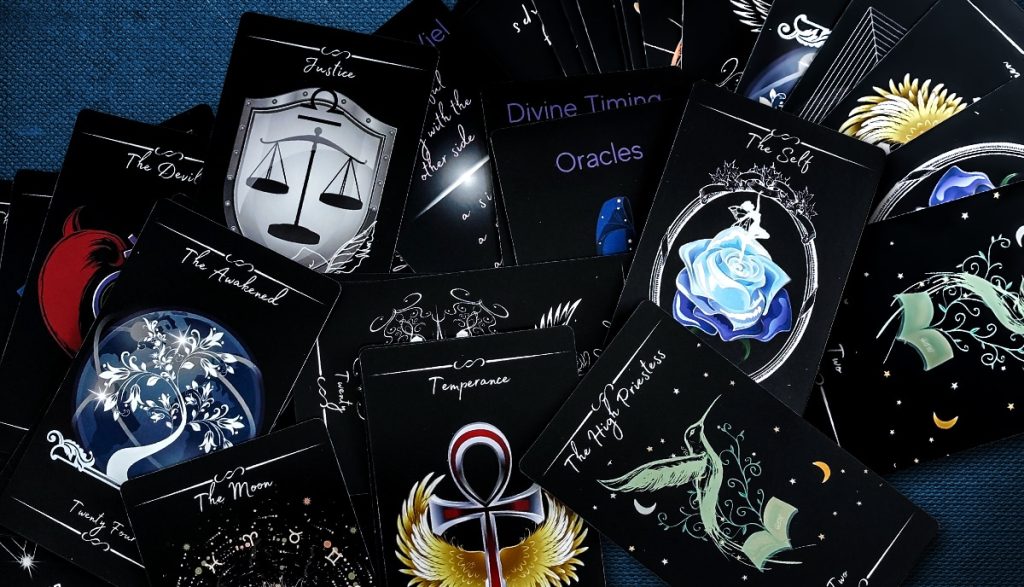
- Immersion: A cohesive theme invites players to lose themselves in the story, establishing a sense of place and purpose. In “Dead of Winter,” the creeping horror and isolation of a zombie apocalypse is palpable, making players feel they are part of a survival narrative.
- Setting the Tone: Themes dictate the emotional texture of a game. Whimsical games like “Dixit” evoke creativity and wonder, whereas “Eldritch Horror” envelops players in its ominous, mysterious mood, evoking tension and intrigue.
- Character Development: Themes often introduce archetypes that players can relate to. The varied characters in “Small World,” for instance, reflect its quirky fantasy setting, allowing players to inhabit roles that range from heroic to comically villainous.
Successful integration of theme and mechanics is evident in games like “Pandemic,” where the global struggle against disease underscores every player decision. The theme is not merely a backdrop but an active force shaping gameplay, demonstrating how essential theme is to the very foundation of narrative-driven games.
4. Character Development
In games, particularly those that lean heavily on story, character development is pivotal. The chance to embody a character and witness their growth in response to the game’s challenges is a powerful draw for players, echoing the depth and complexity we appreciate in novels or films.
- Personal Investment: Players often feel a sense of ownership over their characters, akin to adopting an alter ego. In “Gloomhaven,” players not only grow stronger over time but also experience personal stories and decisions, deepening emotional investment.
- Character Arcs: Engaging character arcs provide players with a narrative journey, evolving as they progress. Games like “Kingdom Death: Monster” push characters through growth, survival, or even demise, impacting the game’s overall narrative.
- Diverse Representation: Varied characters can attract a wider audience, offering diverse cultural stories and perspectives. “Spirit Island” does this beautifully by offering unique spirits to control, each based on different natural forces and indigenous folklore.
This deep investment in characters is facilitated by game mechanics that challenge players to think deeply about their roles and the pathways they choose, creating deeply personal and memorable experiences.
3. Storytelling Mechanics
Modern board games often go beyond static storytelling, incorporating gameplay mechanics that allow the narrative to evolve and respond to player choices. This dynamic narrative structure adds layers of complexity and personal connection to the gaming experience.
- Branching Narratives: Players’ decisions can lead to different outcomes, crafting unique stories with each playthrough. This is beautifully illustrated in “Legacy” style games like “Risk: Legacy,” where player actions during one session can permanently alter future gameplay.
- Integrated Gameplay: Mechanics that support the story, such as event cards that reveal new plot twists in games like “Arkham Horror,” enhance immersion and foster a deeper connection to the narrative.
- Replayability: The variability of storytelling mechanics encourages players to return for new experiences and divergent paths, as evidenced in “Robinson Crusoe: Adventures on the Cursed Island,” where diverse scenarios and decisions significantly change the narrative arc.
By intertwining narrative with gameplay through carefully crafted mechanics, designers create an interactive experience where stories are not simply told to players but are made by them.
2. Player Agency
Central to the effectiveness of narrative in board games is the degree of player agency. Allowing players to make meaningful choices and witness their consequences empowers them to forge their unique narrative paths, lending greater depth and personalization to the experience.
- Empowerment: Providing players with choices leads to feelings of agency and significance. In “Terraforming Mars,” players decide the best ways to develop the planet’s capabilities through strategic choices that directly affect gameplay outcomes.
- Personal Narratives: Players can create their own stories through decisions, fostering emotional resonance as seen in “The 7th Continent,” where personal exploration and survival form the core experience.
- Shared Experience: Player interactions can lead to emergent stories during gameplay. In “Dungeons & Dragons,” players’ and a Dungeon Master’s collaborative storytelling forms narratives with rich layers and unexpected twists.
The concept of agency engenders a sense of true engagement, where players feel not just that they are participating in a story, but that they are the authors of it.
1. The Art of Narrative Integration
At the heart of the narrative in board games is the immaculate integration between story and mechanics, creating seamless play experiences where each element enhances the other. This represents the apex of narrative design in gaming.
- Seamless Flow: The narrative should enhance, not hinder, gameplay. “Betrayal at House on the Hill” utilizes intricate story-telling combined with exploration mechanics, weaving unpredictable narratives that enhance tension and engagement.
- Emotional Engagement: Stories that resonate emotionally captivate players, further immersing them in the universe. Games like “This War of Mine: The Board Game” pull at the heartstrings with its harrowing tales of survival during wartime, mirroring the emotional complexity of its video game counterpart.
- Contextual Mechanics: Game mechanics should feel like a natural extension of the narrative, supporting the story rather than detracting from it. “Agricola” integrates its theme of farming into every decision point, creating a comprehensive narrative where every piece feels vital to the story.
The seamless blending of narrative and gameplay is what elevates board games from simple pastimes to rich storytelling experiences, ensuring that players are not only entertained but moved, as the board becomes a stage for infinite storytelling possibilities.
| Category | Details |
|---|---|
| World-Building | The creation of immersive worlds within board games enables players to connect emotionally with characters and settings, deepening their overall experience and investment in the game. |
| Character Development | Intricate backstories and growth for player characters invite players to engage with their roles and the narrative, stimulating a stronger emotional response and enriching gameplay. |
| Theme Exploration | Games often tackle profound themes, such as morality, friendship, or sacrifice, prompting players to reflect on these concepts while fostering deeper conversations among participants. |
| Player Agency | Narrative-driven games empower players with decision-making opportunities that affect outcomes, illustrating how individual choices can lead to divergent paths and unique gameplay experiences. |
In understanding the vital significance of narrative in board games, players often find themselves submerged in worlds crafted with care. World-building is crucial; it sets the stage and immerses players in an engaging context that invites exploration. When the players feel an emotional connection to this world, their gameplay transforms into a meaningful adventure rather than just a mechanical exercise. Moreover, character development enriches the experience. Players relish detailed backstories that prompt them to inhabit their roles. Each character’s evolution reflects the narratives they engage with, exhibiting growth and personal stakes that catalyze teamwork and competition alike.Additionally, the exploration of underlying themes can be profound. Board games act as vessels for exploring complex ideas, triggering discussions that extend beyond the game table. Subjects like empathy, resilience, and moral dilemmas become tangible as players navigate scenarios that require reflection and dialogue.Finally, the importance of player agency cannot be overstated. In narrative-driven gameplay, the choices players make are integral to the storyline. These choices foster an interactive environment where the outcome is not predetermined, but rather shaped by the actions taken. This dynamic illustrates the power of narrative in not only shaping gameplay but also influencing player experiences and memories long after the game is over.
Frequently Asked Questions About the Role of Narrative in Board Game Design
What is the significance of narrative in board game design?
The narrative in board game design plays a crucial role by providing context and immersion. A well-crafted story can transform a simple game into an unforgettable experience. This narrative depth allows players to become emotionally invested in the game, making decisions that feel meaningful within the context of the story. Narratives create a world for players to explore, extending beyond simple mechanics to engage their imaginations.
How does a narrative impact player engagement during gameplay?
A strong narrative can significantly enhance player engagement by using storytelling elements to capture players’ attention and sustain it throughout the game. When players encounter plot twists or character development, they are more likely to want to continue playing to see the story unfold. Engagement is heightened as players get immersed in a narrative-driven universe, where every choice could have consequences in the unfolding story.
Can a narrative overshadow the mechanics of a board game?
While a compelling narrative enriches the gaming experience, it’s important that it complements rather than overshadows the mechanics. A game should maintain a balance where narrative and mechanics work in harmony, each supporting the other to create a cohesive experience. Designers need to ensure that the narrative adds value, driving the gameplay forward without distracting from the core mechanics.
What challenges do designers face when integrating narratives into board games?
Designers face numerous challenges, including ensuring that the narrative remains coherent and supports gameplay. They must also consider the scalability of the story, especially in games with multiple playthroughs or outcomes. A key challenge is creating a narrative that is adaptable to different player choices, maintaining player agency while preserving the integrity and flow of the story.
Are there particular genres of board games where narrative plays a more vital role?
Narrative often plays a crucial role in thematic and adventure board games, where storytelling is integral to the player’s journey. Genres like mystery, fantasy, and role-playing games lean heavily on narrative to draw players into their worlds. In these genres, the narrative can often dictate the structure and dynamic of the gameplay, illustrating the power of storytelling in shaping the player’s experience.
Conclusion: The Vital Role of Narrative in Board Game Creativity
In exploring the compelling role of narrative in board game creation, it becomes apparent that storytelling is more than just an element of allure; it is a foundational pillar that differentiates good games from great ones. As outlined in this article, the integration of engaging narratives enriches player experience, fosters emotional connections, and enhances immersion.
The journey through the mechanics of board game storytelling has revealed five critical takeaways:
- Story as a Driver for Engagement: A well-crafted narrative can captivate players, making the game more engaging and encouraging longer playtime.
- Character Development and Relatability: Characters with depth and relatable traits can foster emotional ties between players and the game.
- World-Building: An immersive world elevates the gaming experience, offering players a space to explore and discover.
- Theme Consistency: Aligning the narrative with game mechanics ensures a cohesive and satisfying experience.
- Innovative Storytelling Techniques: Employing unique approaches such as branching narratives or player-driven stories can bring fresh dimensions to gameplay.
As we’ve examined, narratives offer a powerful tool that can transform board gaming into a profound creative hobby. They provide both creators and players an avenue to exercise imagination, strategy, and empathy. The evolving landscape of board games suggests that as developers push the boundaries of storytelling, they invite players worldwide to embark on ever more fascinating adventures.
In essence, the interplay between narrative and gaming is more than just a trend; it is an essential evolution in the craft of board game design. For enthusiasts and creators alike, embracing this narrative journey paves the way to innovation and unparalleled creativity.