Transform Recycled Materials into Art DIY Sustainable Projects Guide
Unlock Your Creativity with Sustainable Art
In an age where environmental awareness is on the rise, transforming recycled materials into art is more than just a creative hobby; it’s a statement. Those who explore this avenue not only indulge their artistic inclinations but also contribute positively to the planet by reducing waste. Recycling art goes beyond mere aesthetics; it’s a hands-on way to practice sustainability while encouraging others to reconsider their consumption habits.
As you embark on this artistic journey, consider the diverse possibilities that await you with items often overlooked:
- Old newspapers and magazines
- Plastic bottles and containers
- Scrap fabric and textiles
- Wood scraps or pallets
- Discarded electronics
These materials offer a treasure trove of potential, waiting for your creative touch to bring them back to life. In the following segments, we’ll explore the Top 5 DIY sustainable art projects that can inspire your next creation. Prepare to dive into innovative ideas that not only enliven your space but also help pave the way to a more sustainable future.
Top 5: Transforming Recycled Materials into Works of Art – Sustainable DIY Projects
In today’s world, where the importance of sustainability is constantly rising, many are finding joy and creativity in turning recycled materials into art. DIY projects that utilize recyclable items not only help reduce waste but also offer unique ways to express creativity. Below, we present the top five projects where transforming waste into beautiful creations takes center stage, appealing to seasoned artisans and novices alike.
5. Upcycled Plastic Bottle Planters
Plastic pollution has become a significant environmental concern, with millions of plastic bottles used and disposed of daily. However, these bottles can be repurposed into functional and aesthetically pleasing planters, merging utility with sustainability. By upcycling, you contribute to the reduction of plastic waste and also bring an element of green decor into your home.
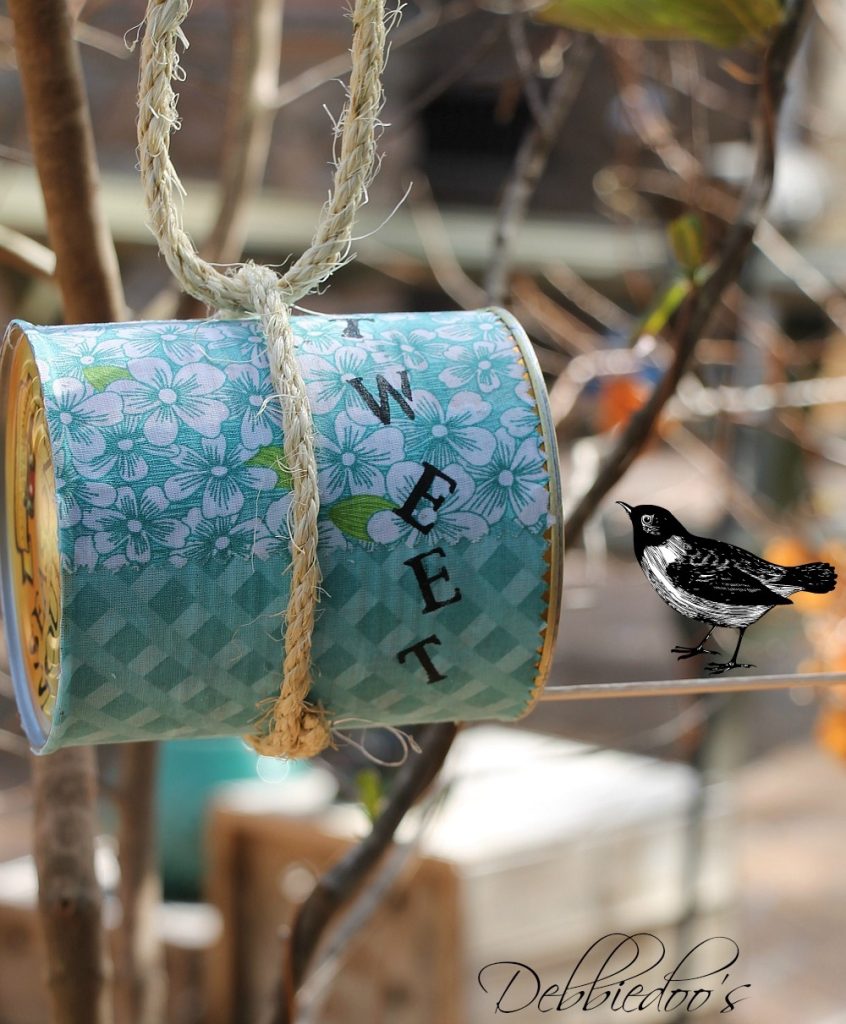
- Materials Needed: Plastic bottles, soil, plants, scissors, and paint (optional).
- Steps: Cut the bottle in half, with the bottom section serving as the planter. After cutting, fill the bottom half with potting soil and plant your chosen greenery.
The creative twist involves decorating these planters. A splash of paint or the addition of decorative materials can reflect personal style, making each planter an original piece. These versatile items can be hung or placed on tables, infusing a touch of the outdoors inside. The project not only promotes a greener environment but also encourages a love for gardening, making it ideal for urban settings with limited space for traditional gardens.
4. Tin Can Lanterns
Old tin cans, often seen as mere kitchen waste, can be transformed into charming lanterns that bring a whimsical glow to any space. This project invites a blend of rustic charm and creativity, ideal for those looking to add a magical ambiance to their home or garden.
- Materials Needed: Empty tin cans, water, a hammer, a nail, and tea lights or LED candles.
- Steps: Begin by filling the cans with water and allowing them to freeze overnight. The ice provides stability while you puncture the metal with a hammer and nail, forming patterns or designs.
Once the design process is complete, melt the ice and remove the water, leaving behind a beautifully perforated tin. Place a tea light or LED candle inside, and watch as your crafted lantern casts intricate shadows. These lanterns are a splendid addition to any outdoor gathering or garden party, offering a unique blend of art and functionality. Moreover, they serve as a delightful conversation piece, prompting others to consider unique recyclables as potential craft materials.
3. Wine Cork Memo Board
If you’re someone who enjoys savoring wine, chances are you’ve accumulated a collection of corks. Rather than discarding them, transform these remnants of enjoyment into a practical and stylish memo board. This endeavor merges sustainability with creativity, offering an artistic way to organize notes and mementos.
- Materials Needed: Wine corks, a frame (old or new), glue, and a backing material (like cardboard).
- Steps: Arrange your collection of corks and affix them to a sturdy backing material using glue. Once dry, secure the arrangement within a frame, creating a functional piece for posting reminders and photos.
This eco-friendly DIY project is not only an artistic statement but also serves as a testament to resourcefulness. Every memo board becomes as unique as the stories behind each cork, offering a personal touch to any room. The creation of such a display is a perfect example of how once-overlooked remnants can be transformed into household essentials, reducing waste and showcasing individual craftsmanship.
2. Paper Mache Sculptures
Paper mache is a classic craft that breathes new life into discarded paper products, transforming them into striking sculptures and practical items. This medium is celebrated for its versatility, providing a blank canvas for the imagination to run wild.
- Materials Needed: Newspaper, flour, water, a bowl, and a desired mold.
- Steps: Prepare a paste by mixing flour and water. Tear the newspaper into strips, dip them into the paste, and layer them over a mold. Once the construction is dry, bring your creation to life with paint and embellishments.
Whether crafting intricate animals, masks, or bowls, paper mache offers endless possibilities for artistic expression. This project encourages fine motor skills and an appreciation for art, making it an excellent activity for people of all ages. Moreover, by recycling paper waste, participants contribute to environmental sustainability while indulging in a fulfilling creative process. Paper mache sculptures embody the joy of creation—from conception to the final painted flourish.
1. Mosaic Art from Broken Ceramics
Creating mosaic art from broken ceramic pieces is the pinnacle of transforming waste into breathtaking masterpieces. This age-old art form combines sustainability with cultural tradition, offering an opportunity for profound personal expression through intricate patterns and vibrant colors.
- Materials Needed: Broken ceramic pieces, a sturdy surface (like wood or canvas), adhesive, grout, and sealant.
- Steps: Arrange your mosaic pieces over a chosen surface to draft your desired pattern. Secure them with adhesive, fill in the gaps with grout, and finish with a sealant to protect the art from wear and tear.
The true beauty of mosaic art lies in its transformative nature—discarded ceramics acquire new life and purpose, transitioning from fragmented existence to unified artistic narratives. Each piece can tell a story, symbolizing beauty emerging from chaos. Creating mosaic art becomes a meditative practice, where patience meets creativity. It stands as a diverse and culturally rich representation of how recycling transcends environmental responsibility, becoming a profound expression of human artistry.
| Category | Description |
|---|---|
| Environmental Impact | Transforming recyclables into art significantly reduces waste and lowers the ecological footprint associated with disposal methods. |
| Creativity Enhancement | Engaging in DIY projects encourages imagination and problem-solving skills, as individuals find new ways to repurpose materials. |
| Community Building | These projects often foster a sense of community as people collaborate to create sustainable works of art, sharing skills and resources. |
| Cost-Effectiveness | Utilizing recycled materials in art projects can be budget-friendly, allowing for creative expression without significant financial investment. |
As we delve deeper into the theme of transforming recycled materials into art, it becomes evident that these projects not only serve a practical purpose but also champion an artistic revolution. The Environmental Impact category highlights how every individual effort can culminate in a major ecological advantage. By consciously choosing to recycle, creators actively participate in reducing landfill contributions and decreasing the demand for new raw materials. This mindful practice not only preserves resources but also emphasizes responsible consumption.Shifting to the Creativity Enhancement aspect, engaging with everyday materials invokes an explosion of imagination. One can see how discarded items turn into masterpieces, challenging the conventional notion of what art is and can be. For instance, an old tire can morph into a vibrant garden planter, and glass bottles can transform into stunning chandeliers, breathing new life into what was once deemed waste. The category of Community Building sheds light on another significant advantage: the enhancement of social ties. DIY workshops and community art projects invite individuals to unite under a common cause, thereby creating a sense of belonging. As people express their creativity, they forge bonds, share knowledge, and cultivate a culture of sustainability. Finally, the Cost-Effectiveness element cannot be overlooked. DIY art made from recycled materials often proves to be an economical choice. While art supplies can sometimes come with hefty price tags, repurposing household items can significantly mitigate costs, allowing for broader accessibility to art-making, especially for those who may find traditional art forms financially out of reach.Through these categories, it is clear that transforming recycled materials into art extends beyond mere aesthetics; it encapsulates a movement towards sustainability that enriches both individuals and communities alike.
Frequently Asked Questions about Sustainable DIY Art Projects
What types of recycled materials can be used in DIY art projects?
There is a wide array of materials that can be repurposed into stunning pieces of art. Common choices include old newspapers, glass bottles, cardboard, tin cans, and plastic items. These materials, often discarded as waste, can be transformed into beautiful and functional art pieces. By experimenting with different textures and shapes, artists can create unique and innovative designs.
How can recycled art contribute to sustainability?
Recycled art helps reduce waste by repurposing items that would otherwise contribute to landfills. This process not only saves resources but also promotes awareness about environmental conservation. When more individuals start engaging in upcycling, it creates a ripple effect of environmental responsibility in their communities. As a bonus, DIY art projects often use less energy compared to manufacturing new products, making them a greener option.
Are there any specific tools or resources needed for creating recycled art?
The tools required for recycled art can vary based on the complexity of the project. Basic tools include scissors, glue, tape, and paints. For more intricate details, tools like crafting knives, sewing kits, and hot glue guns can be beneficial. Many online platforms offer tutorials and resources, making it accessible for beginners to start their journey into recycled art.
Can anyone create art from recycled materials, or is it necessary to have artistic skills?
Creating art from recycled materials does not necessarily require formal artistic skills. It’s more about creativity and the willingness to experiment. Many individuals find that working with recycled materials can be a liberating experience, allowing them to express themselves freely without the pressure of traditional artistic norms. With practice, anyone can develop their style and technique.
What are some examples of successful recycled art projects around the world?
Globally, artists have transformed recycled materials into iconic art installations. For instance, Colombian artist Oscar Méndez turns plastic waste into surprisingly strong and durable construction blocks, while Belgian artist Wim Delvoye is known for his intricate sculptures made from used truck tires. Such projects not only captivate audiences with their beauty but also serve as powerful statements on sustainability.
Conclusion: Transforming Recycled Materials into Art
The art of transforming recycled materials into breathtaking creations is not just a trend but a profound expression of sustainability and creativity. Throughout this exploration, we’ve uncovered how DIY projects can morph ordinary objects into extraordinary works of art, underscoring the importance of resourcefulness and innovation in creative hobbies. By repurposing what would otherwise end up in landfills, individuals can contribute to a more sustainable planet while simultaneously exploring their artistic potential.
Sustainable DIY projects not only highlight the aesthetic appeal of recycled art but also emphasize the need for environmental consciousness in art-making. By integrating sustainability with creativity, artists are finding novel ways to work with diverse materials, ranging from plastic bottles to discarded textiles and beyond. This approach not only lessens environmental impact but also provides an opportunity for artists to engage in unique and thought-provoking storytelling through their pieces.
The Impact of Recycling on Artistic Expression
As we navigate the challenges of climate change and environmental degradation, it becomes clear that art has a crucial role in promoting sustainable practices. Through DIY projects that focus on recycling, individuals can advocate for environmental awareness, inspire others, and foster a community dedicated to innovative solutions. This movement also encourages skill development as creators learn new techniques in manipulating non-traditional materials.
Moreover, the act of transforming waste into art can spark dialogues about consumerism and the life cycle of products, urging audiences to reconsider how they view and value everyday objects. By continuing to push the boundaries of what can be considered artistic resources, the world of recycled art opens up endless possibilities for exploration and expression.
In conclusion, the intersection of creativity and sustainability offers an enriching dimension to artistic pursuits. Engaging in DIY projects with recycled materials not only supports environmental goals but also cultivates personal growth and inventive thinking. It’s a movement poised to inspire, challenge, and redefine the way we perceive art and its potential to impact the world positively.