The Evolution of Digital Painting: How Technology is Transforming Traditional Art
Revolutionizing Artistic Expression
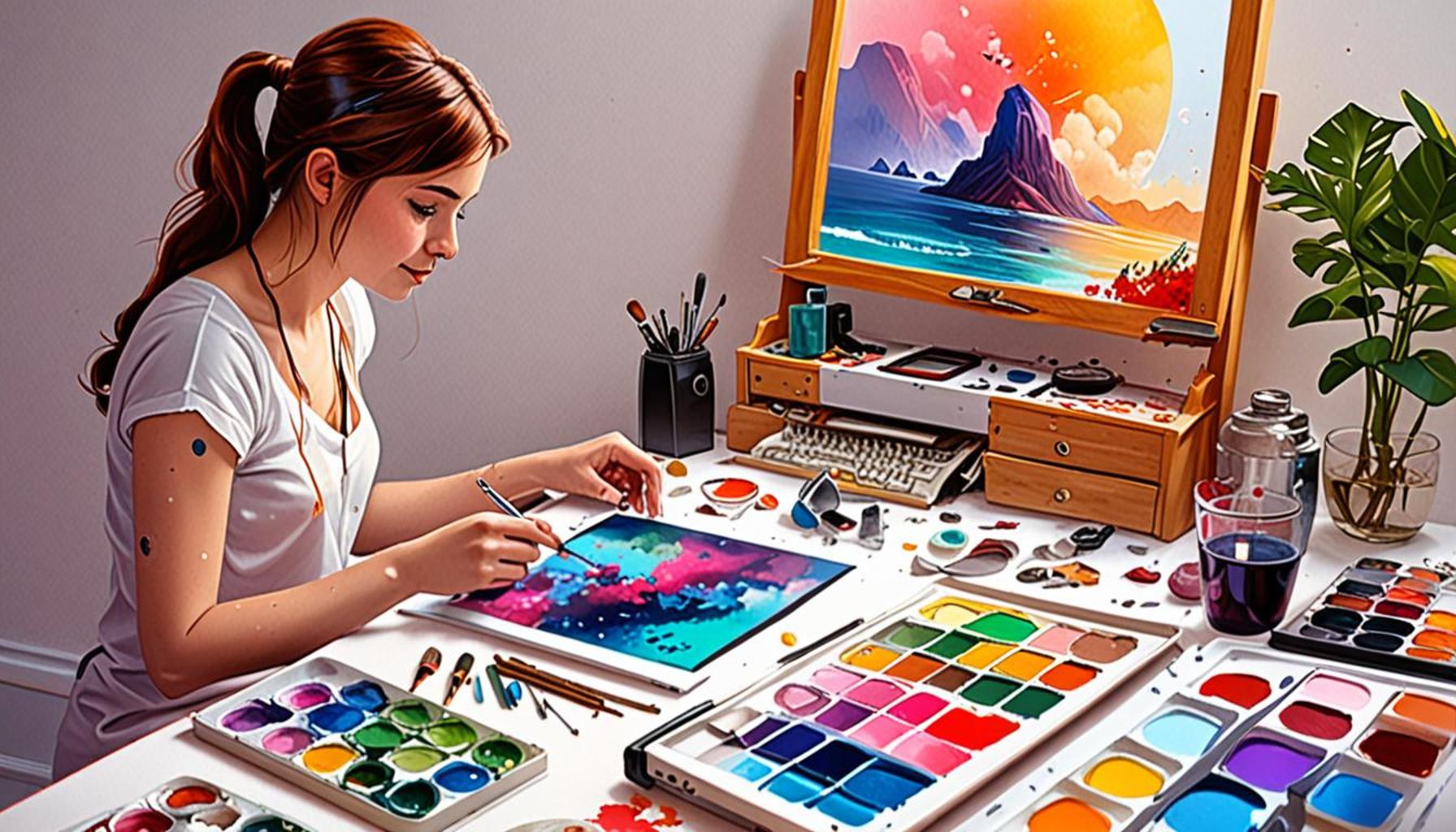
Over the years, the realm of art has experienced a remarkable transformation, particularly with the advent of digital painting. What once required traditional brushes and canvases can now be accomplished with a stylus and a tablet. This shift is not just a trend; it represents a significant evolution in how artists express their creativity. Digital painting has swiftly gained popularity among both hobbyists and professionals, fundamentally altering the dynamics of the art world.
Here are some key aspects to consider:
- Accessibility: Digital tools have made art more accessible to a broader audience. For instance, platforms like DeviantArt and Instagram allow artists to share their work globally, breaking geographical barriers. A budding artist in a rural area can now showcase their talent and reach admirers and potential buyers anywhere in the world.
- Tech Innovations: Advancements like Procreate, Adobe Fresco, and Corel Painter revolutionize traditional techniques. These programs come equipped with sophisticated features that were once the domain of high-end studios. For example, Procreate offers a comprehensive library of brushes that simulate textures from oil paints to watercolors, allowing artists to maintain their unique styles while exploring new mediums.
- Creative Freedom: The digital medium offers unparalleled opportunities for creative expression. Features like undo buttons, layers, and a plethora of brush options provide artists with the freedom to experiment without the fear of making irreversible mistakes. For example, an artist can create multiple drafts and iterations of a piece without wasting resources, leading to a more refined final product.
As artists integrate technology into their work, they challenge conventional notions of artistry and creativity. Digital painting provides a platform where traditional techniques can merge with modern inspirations, showcasing how the art scene is in constant flux. This intriguing blend is inviting art enthusiasts to explore how everything from galleries to art schools is adapting to this digital landscape.
Moreover, educational institutions across the United States are increasingly offering courses and workshops focused on digital painting. Schools like the Rhode Island School of Design and California Institute of the Arts have recognized the importance of incorporating digital tools into their curricula, preparing students for a future where both art and technology coexist harmoniously.
Join us as we delve deeper into the evolution of digital painting, uncovering how technology is reshaping the artistic landscape in ways previously unimaginable. From community initiatives to professional studios, the influence of digital art is evident, and it beckons both new and experienced artists to embrace this exciting frontier.
DISCOVER MORE: Click here to learn about the benefits of occupational therapy
Bridging the Gap Between Traditional and Digital Media
The fusion of digital techniques with traditional painting styles is not merely an upgrade in tools; it signifies a paradigm shift in how art is created and perceived. Artists now navigate a space where classic techniques can be enhanced or completely transformed by digital innovation. This has led to an environment where creativity knows no bounds, allowing artists to push the envelope of their own capabilities.
One of the most notable aspects of this evolution is the interactivity that digital platforms promote. Artists can engage with their audience in real-time, receiving instant feedback that can be both encouraging and constructive. Social media platforms, such as Instagram and TikTok, have become digital showcases for artists and a means for them to document their creative processes. For instance, time-lapse videos of digital paintings garner significant attention, providing viewers with a glimpse into an artist’s method and transformation of an idea into a finished piece.
Moreover, the community aspect of digital painting cannot be underestimated. Many platforms have dedicated spaces for artists to collaborate, critique, and inspire one another. Websites like ArtStation and Behance serve as virtual galleries, allowing artists to display their portfolios and connect with peers and mentors. This growing sense of community fosters collaboration that breaks the confines of geographical limitations—an artist in New York can easily collaborate with one from Los Angeles, creating a rich tapestry of ideas and styles that transcends local art scenes.
- Digital Tools for Artists: Software programs such as Illustrator and Photoshop enable artists to manipulate images and create intricate designs that would be time-consuming or impossible to achieve on a traditional canvas.
- Real-time Adjustments: Digital canvases allow for quick changes and adjustments, facilitating an interactive workflow, making the artistic process far less daunting.
- Versatility Across Styles: The capabilities of digital painting open up the opportunity for unique styles that blend various artistic techniques, from surrealism to abstract, enabling artists to discover their own distinct voice.
The blending of the analog with the digital also paves the way for new artistic movements. As technology evolves, so does the conceptual framework underlying the art itself. Emerging genres, such as Augmented Reality (AR) art, challenge the way art can be interacted with, inviting viewers into immersive experiences that traditional art forms simply cannot replicate. This inevitably raises important questions about authenticity, ownership, and the future of artistic expression, as boundaries continue to blur.
As we explore the evolution of digital painting further, it becomes evident that technology is not a replacement for traditional artistry; rather, it is a complement that enriches the artist’s toolkit. This harmony of old and new methodologies offers a more expansive narrative in which every artist can find their place, fostering a vibrant and evolving art culture that continually adapts to the rhythms of technology.
As we delve deeper into the evolution of digital painting, it is crucial to understand how technology has not only enhanced creativity but also provided artists with a myriad of tools that challenge the constraints of traditional mediums. Digital interfaces such as tablets and styluses have revolutionized how artists approach their work, allowing for a level of precision and flexibility that traditional painting often lacks. These innovations enable artists to experiment with colors, textures, and techniques without the limitations of physical materials.Digital painting software exemplifies this transformation, offering advanced features that cater to both budding and professional artists. Programs like Adobe Photoshop, Corel Painter, and Procreate come equipped with an array of brushes that efficiently simulate traditional brush strokes while introducing new elements such as layering and undo features. This digital freedom encourages exploration and risk-taking, resulting in creative outcomes that may not have been possible with conventional tools.Furthermore, the growing accessibility of online learning platforms is empowering a new generation of artists. Tutorials and workshops available on platforms like YouTube or Skillshare provide invaluable resources, making artistic education more inclusive. Aspiring digital painters can familiarize themselves with advanced techniques and industry standards without the constraints of traditional art schools. The sense of community fostered through social media also plays a pivotal role, as artists share their work and receive instantaneous feedback, shaping the contemporary art scene in unprecedented ways.The impact of technology on traditional art forms is vividly evident in collaboration opportunities as well. Virtual reality (VR) and augmented reality (AR) have opened new dimensions for artists, allowing them to create immersive experiences that were unimaginable in the past. Exhibitions now often feature digital installations, showcasing artwork enhanced by technology that invites viewers to engage in a multifaceted experience.As the line between digital and traditional art continues to blur, it is essential to recognize the cultural shifts this evolution has sparked. Artists increasingly find inspiration drawn from both worlds, merging traditional techniques with digital innovations to create hybrid artworks that resonate with diverse audiences. The future of digital painting promises exciting developments, reflecting humanity’s adaptability and keen desire for creative expression in the face of advancing technologies.
DISCOVER MORE: Click here to dive deeper
The Democratization of Art Through Technology
As digital painting continues its evolution, it plays a crucial role in the democratization of art. Previously, the barriers to access—such as expensive materials, studio space, and formal training—often limited who could engage in artistic practices. However, digital tools are dismantling these barriers, allowing individuals from diverse backgrounds to express themselves creatively without the constraints of traditional methods. This shift has sparked an increase in grassroots artistic movements and enabled a broader representation of voices in the art world.
With advancements in technology, artists no longer need to invest heavily in supplies to produce vibrant works. Programs like Procreate and Clip Studio Paint offer affordable options for budding painters, with many price points even equipped with trial versions for beginners to experiment with. Tablets and styluses, once considered niche items, are now readily available across price ranges, making digital painting an attainable pursuit for many. This accessibility has resulted in an influx of diverse talent, as everyday individuals, students, and self-taught artists venture into the realm of digital painting.
The influence of online courses and tutorials cannot be overlooked in this transformation. Platforms like Skillshare and Udemy have opened doors for aspiring artists by offering affordable and comprehensive lessons from established professionals. This accessibility to education fosters a sense of belonging and confidence, bridging the gap between the novice and the professional artist. Many artists find themselves part of a global conversation about their craft, sharing techniques, tips, and experiences through online channels.
- Innovative Platforms: Virtual exhibitions and online galleries, like Krause Gallery and Saatchi Art, embrace the digital realm, allowing artists to showcase their work to a global audience without the confines of a physical space.
- Crowdfunding for Creative Projects: Artists can leverage platforms like Kickstarter and Patreon to secure funding for projects, providing a sustainable income stream and further encouraging experimentation and innovation.
- Viral Trends: The rise of social media art challenges and trends, such as the popular #Inktober, galvanize and motivate artists to produce and share works within a united framework, hence enhancing their visibility.
Furthermore, the integration of Artificial Intelligence (AI) in digital painting is beginning to offer entirely new creative pathways. Tools like DeepArt and Artbreeder utilize algorithms to analyze existing artwork and generate unique compositions or styles, prompting discussions about creativity and authorship. These AI-driven tools act as a hybrid between collaboration and creation, enabling artists to explore uncharted territories within their art. They also introduce a fascinating layer of complexity, as artists must navigate the ethics around using and crediting AI-generated elements in their works.
As technology propels the evolution of digital painting, it simultaneously introduces new challenges and questions surrounding the essence of art. While some purists may argue that digital tools dilute the integrity of traditional methods, many advocate that technology complements and invigorates artistic expression. The ongoing relationship between digital tools and traditional techniques is a testament to the creative adaptations that define the art world today, paving the way for future generations of artists.
DIVE DEEPER: Click here to uncover the benefits
Conclusion: The Future of Artistic Expression
As we have explored, the evolution of digital painting is undoubtedly reshaping the landscape of traditional art. The intersection of technology and creativity is breaking down barriers, fostering inclusivity, and enabling a myriad of voices to emerge in the artistic community. The accessibility of digital tools, educational resources, and online platforms is transforming how art is created, shared, and appreciated. This democratization of art signifies a monumental shift where anyone with a passion for expression can not only participate but also thrive in a global artistic dialogue.
The rise of artificial intelligence is another frontier that artists are beginning to explore. While it poses questions regarding authorship and originality, it also offers unmatched opportunities for experimentation and hybridization. This blending of technology and traditional techniques emphasizes that the essence of art is not merely in the medium but in the intent and connection it fosters between the artist and audience. As the conversation about what constitutes art continues to evolve, so does the allure of digital painting as a form of expression that captivates, challenges, and inspires.
Looking ahead, the fusion of digital painting and technology promises new possibilities for future generations of artists. As traditional methods intertwine with contemporary innovation, we are witnessing the dawn of a new era in the art world. Whether you’re a seasoned professional or an emerging artist, the journey into the realm of digital artistry opens up endless horizons that beckon exploration. The question remains: how will you harness technology to evolve your artistic journey?