Sustainable Crafts: Creating Beauty with Recycled Materials

The Creative Power of Recycled Crafts
As the world grapples with pressing environmental issues such as climate change and plastic pollution, many individuals are searching for meaningful ways to contribute to the solution. Sustainable crafts represent a blend of creativity and environmental responsibility, allowing people to engage with their artistic instincts while actively participating in eco-friendly practices. These crafts often involve the innovative use of recycled materials, transforming what could be waste into works of art.
Consider the myriad possibilities stemming from a commitment to recycled materials:
- Household items: An old glass jar can be metamorphosed into a chic lamp or a stylish flower vase. With a little creativity, a wine bottle may become a rustic candle holder that adds charm to any dinner setting.
- Fabric remnants: The fabric scraps left over from sewing projects can be reimagined into stunning quilts or upcycled fashion items. The process of patchwork not only showcases individual style but also helps reduce the carbon footprint associated with new fabric production.
- Paper products: Transforming used paper into beautiful greeting cards or decorative wall art not only diverts waste from landfills but also creates personalized gifts that carry deeper meanings.
These innovative crafts offer a dual benefit: they help reduce waste while simultaneously beautifying our spaces. Every item that is integrated into a new creation has a story to tell, and when artists and hobbyists employ these materials, they contribute significantly to a circular economy. This concept embraces the idea that the lifecycle of products should be extended, promoting reuse and recycling over traditional production and disposal methods.
The Expanding Market for Eco-Friendly Crafts
The demand for eco-friendly crafts is thriving, as consumers increasingly seek alternatives that reflect their values. The availability of resources, both online and in local community workshops, has made it easier than ever for individuals to explore their creativity through sustainable means. Popular platforms such as Pinterest and YouTube offer a plethora of tutorials that guide beginners in transforming their recycled materials into unique creations.
Moreover, local craft fairs and farmer’s markets often feature artisans who specialize in eco-friendly goods, showcasing the artistic potential of materials that otherwise would have been discarded. This community aspect not only supports local economies but also fosters a sense of connection among crafters who share a commitment to sustainability.
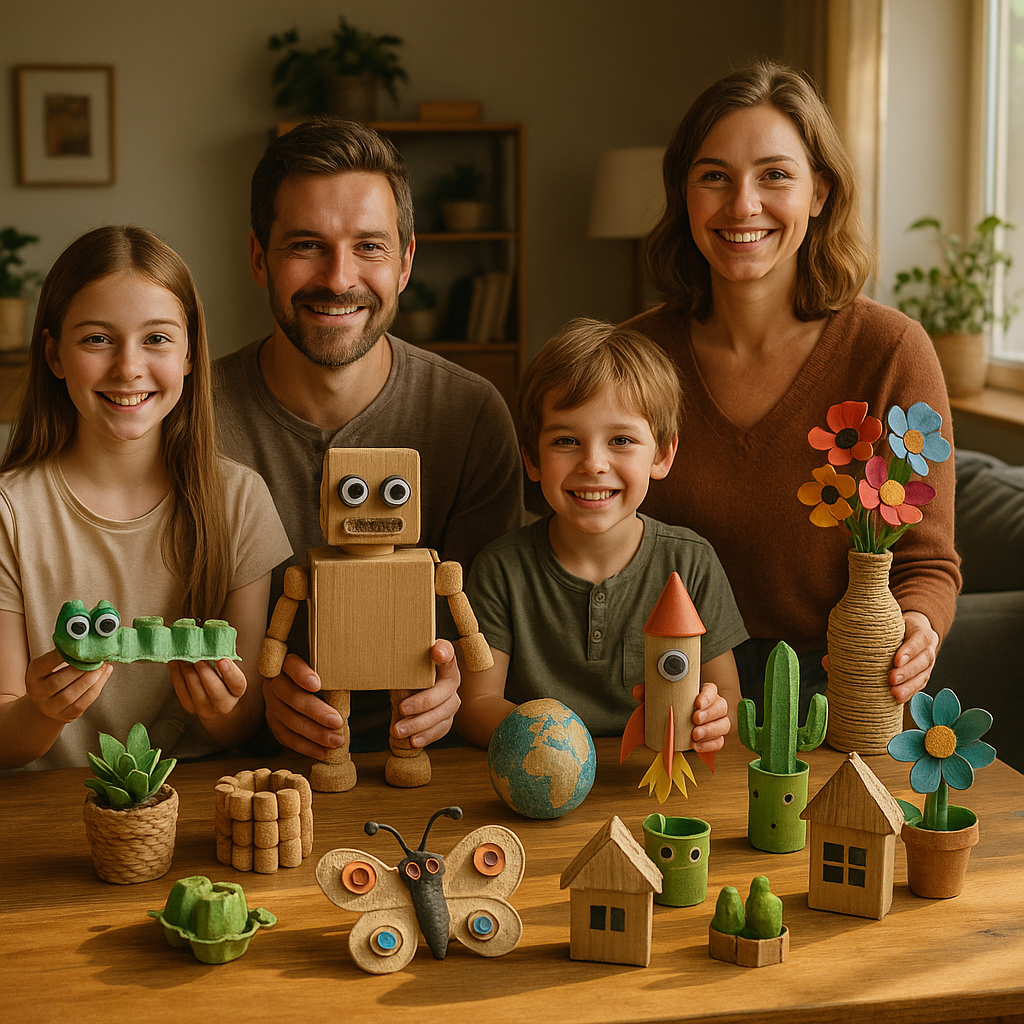
In essence, sustainable crafts invite everyone to become part of a larger movement. By embracing their creativity through the lens of environmental stewardship, individuals can contribute to their communities while discovering the beauty that lies within the world around them. Dive into the realm of recycled crafts today, and unlock the potential to create beauty with a conscience.
DISCOVER MORE: Click here to learn how art can enhance your mental well-being
Embracing the Art of Upcycling
Upcycling, the process of turning waste materials into new, usable products, has gained remarkable traction in both the creative and environmental communities. This innovative approach to sustainable crafts not only promotes a zero-waste mindset but also allows individuals to tap into their imagination and resourcefulness. With a variety of materials readily available at home or in local thrift stores, upcycling becomes an accessible way for anyone to join the movement towards sustainability.
Some common materials that crafters are turning into art include:
- Plastic Bottles: These ubiquitous items can be repurposed into a wide range of projects. From vertical gardens to vibrant flower pots, a little paint and creativity can transform plain plastic into eye-catching decor.
- Old Furniture: Rather than discarding outdated pieces, many are opting to give furniture a new lease on life through sanding, painting, or reupholstering. An old chair can become a centerpiece with the right fabric, while a tired dresser can be revitalized with trendy colors and designs.
- Cardboard Boxes: Never underestimate cardboard! This versatile material can be crafted into storage solutions, playful decorations, or even holiday ornaments. With just a few cuts and folds, the possibilities are endless.
The art of upcycling not only expands one’s creative capabilities but also stands as a powerful statement against the waste culture that pervades our society. By consciously choosing to repurpose rather than purchase, crafters can reduce the flow of materials into landfills and lower their carbon footprint. In fact, a recent study by the Environmental Protection Agency (EPA) highlighted that upcycling could potentially divert millions of tons of waste from landfills each year. This statistic underscores the significant impact individuals can have through small, sustainable choices.
Beyond personal creativity, upcycling fosters a sense of community. Workshops dedicated to sustainable crafts are sprouting up across the nation, where crafters gather to share ideas, learn new skills, and collaborate on projects. By participating in these collective efforts, individuals can strengthen their connections to one another while promoting a shared commitment to the environment.
Furthermore, the rise of social media platforms has made it easier than ever for upcycling enthusiasts to showcase their projects, exchange tips, and inspire others. With the hashtag #UpcycledArt trending, countless posts feature imaginative creations made from reimagined materials, turning everyday waste into extraordinary works of art. Individuals are excited to share their journey of creativity and sustainabilty, encouraging others to explore the world of sustainable crafts.
As we delve into the world of sustainable crafts, it becomes evident that creating beauty with recycled materials stretches beyond aesthetics. It touches on culture, community, and the responsibility we have towards our environment. With every crafted piece, artisans contribute to a broader narrative of sustainability that resonates within and beyond our homes.
| Category | Details |
|---|---|
| Eco-Friendly Materials | Utilizing recycled materials reduces waste and promotes sustainability. |
| Creativity and Innovation | Crafting with recycled items encourages unique artistic expression and resourcefulness. |
| Cost-Effective Solutions | Creating crafts with recycled materials offers affordable options for artisans and crafters. |
| Community Engagement | Participating in sustainable crafting fosters community bonds and shared knowledge. |
As the world increasingly embraces the importance of sustainability, the act of creating beauty through recycled materials stands out as a powerful movement. Through the process of transforming waste into aesthetically pleasing crafts, individuals not only contribute to environmental conservation but also showcase their creativity. The adaptability that comes with crafting from recycled items often results in innovative designs that maintain uniqueness, allowing artisans and hobbyists to express their personal style while making eco-conscious choices. Additionally, using recycled materials can significantly reduce costs for creators, making it possible for more people to engage in crafting without the burden of excessive expenses. Engaging in sustainable crafts is also an excellent way to connect with the community, as workshops and collaborative projects can lead to the sharing of skills and strategies for effective crafting. This growing trend not only beautifies our surroundings but also challenges the norm, encouraging an ongoing discourse regarding waste, creativity, and the environment.
EXPLORE MORE: Click here to discover the benefits of art for your mental health
Innovative Techniques and Unique Examples
As the sustainable crafts movement gains momentum, crafters are constantly inventing innovative techniques that breathe new life into discarded materials. This creative process often involves not just upcycling, but also exploring mixed-media art, a method where artists combine various materials to create striking pieces. By integrating fabrics, metals, and even electronic components, artists transform what many would consider trash into stunning visual narratives that capture both story and aesthetics.
One popular method gaining popularity is shabby chic—an interior design style that embraces vintage charm and imperfections. Crafters can use old linens, lace, and wood to create beautiful home decor items like cushions, wall hangings, and even furniture finishes. The soft color palettes and distressed finishes celebrate the beauty of old materials while adding a cozy feel to any home. Thrift stores and garage sales are treasure troves for those in search of discarded furniture or fabrics just waiting for a new purpose.
In addition to furniture, there is a creative movement surrounding the use of textiles from fast fashion. As awareness around the environmental impact of clothing waste grows, advocates encourage crafters to collect worn clothes and repurpose them through patchwork, quilting, or even weaving. These initiatives not only provide a second life to materials that could have ended up in landfills but further spark conversations about mindful consumption in the fashion industry. Resources such as local sewing circles help promote collaboration and skill-sharing, allowing individuals to learn new crafting techniques while fostering a deeper connection to their community.
Another intriguing area of sustainable crafts involves the realm of garden art. Crafters are taking items like glass bottles, tin cans, and old utensils to create whimsical outdoor sculptures, bird feeders, and garden ornamentations. For instance, a broken plate can be transformed into an ornamental garden stake, while wine corks can be fashioned into unique planters. These one-of-a-kind creations not only beautify gardens but also promote biodiversity by attracting pollinators and encouraging local wildlife to thrive. Educational workshops on garden crafting frequently highlight how even the most unassuming items can contribute to a vibrant ecosystem.
Moreover, sustainable crafts have made a significant impact in the realm of education. Many schools and community centers now incorporate crafting with recycled materials into their curricula, teaching children both eco-friendliness and creativity. Projects that involve collecting items that would otherwise be thrown away provide practical lessons on environmental stewardship, critical thinking, and artistic expression. Children can engage in collaborative art installations made from plastic bags or create functional items like reusable snack bags from old t-shirts. These initiatives instill values of innovation and sustainability at a young age, ensuring future generations will appreciate the importance of reducing waste.
As the journey of sustainable crafts unfolds, the spotlight continues to shine on skilled artisans who have found success in this budding field. They not only challenge traditional notions of artistry but invite consumers to reconsider their relationship with the materials that surround them. By embracing the beauty of recycled materials, crafters are making profound statements about sustainability, creativity, and community at large.
DISCOVER MORE: Click here to learn about the therapeutic benefits of art
Conclusion: Embracing a New Era of Creativity and Sustainability
The world of sustainable crafts has ushered in a transformative approach to creativity, encouraging individuals to see beyond the surface of discarded materials. By adopting practices that prioritize the repurposing of items that would otherwise contribute to the growing waste crisis, crafters are forging a new path towards environmental consciousness. The innovative techniques highlighted, from shabby chic designs to whimsical garden art, demonstrate the profound beauty and utility that can emerge from what many perceive as trash.
Furthermore, the educational impact of these crafts is significant; by integrating hands-on projects into curricula, schools are not only fostering artistic skills but also instilling values of sustainability in the next generation. This movement promotes a culture of mindful consumption and creativity, encouraging people to think critically about their environmental footprints.
As we continue to engage in and support sustainable crafts, we collectively participate in a larger conversation about our relationship with the planet and the materials we use. By redefining how we view waste, we can spark a movement that transcends the boundaries of art and sustainability and dives deep into social responsibility. Let us celebrate the beauty of recycled materials not only as a means of artistic expression but also as a vital component in preserving our planet for future generations. The more we embrace this creative ethos, the closer we come to realizing a more sustainable and beautiful world.