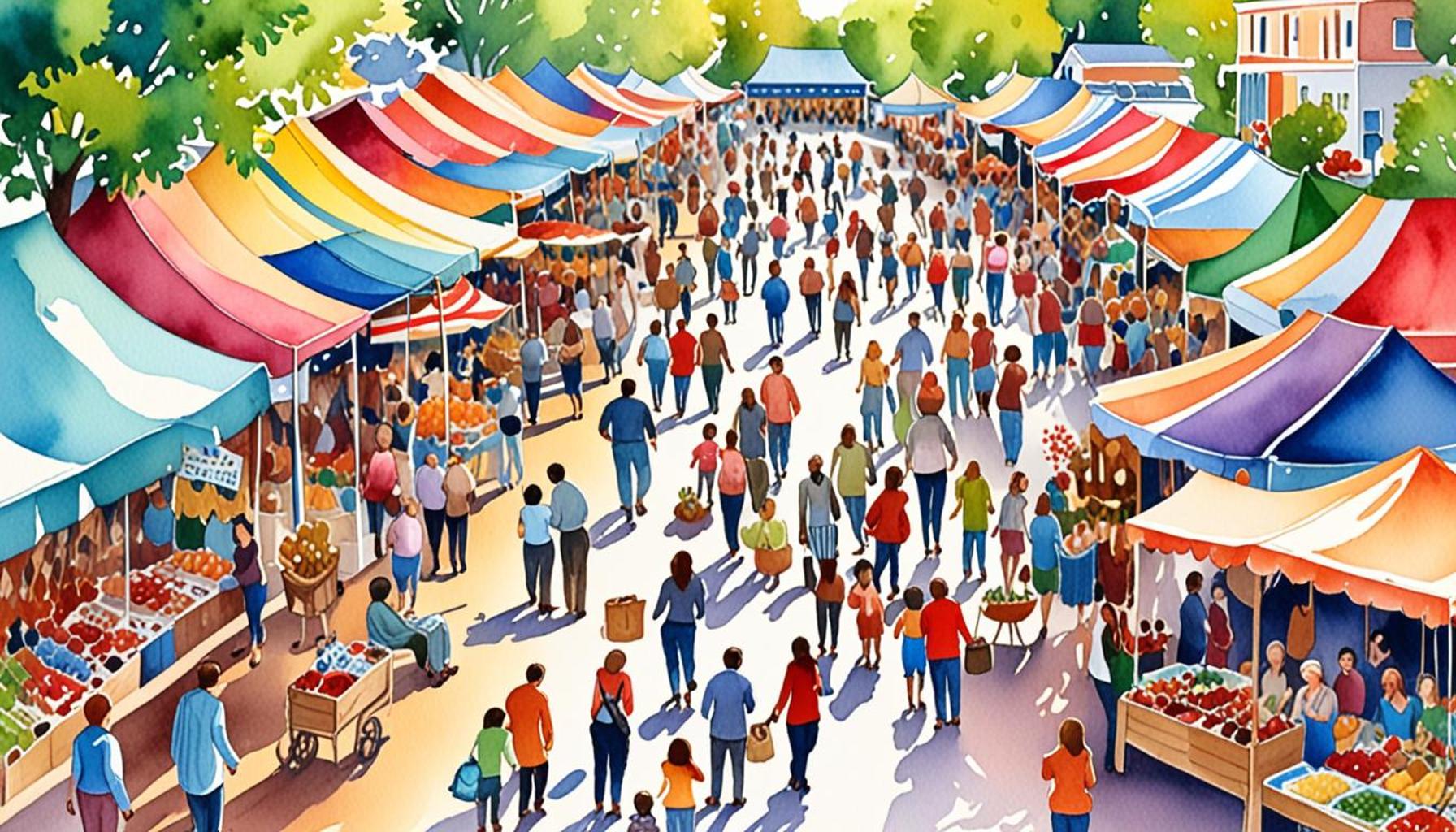
Craftsmanship and Sustainability: Creative Projects that Reduce Waste

Understanding Craftsmanship in Sustainable Practices
The world today faces a plethora of environmental issues, prompting individuals and communities to seek out solutions that marry traditional craftsmanship with modern sustainability practices. By engaging in creative projects that focus on reducing waste and repurposing materials, artisans not only enhance eco-friendliness but also keep alive the artisanal skills that have been cherished and passed down through generations. This fusion of craft and sustainability serves as a powerful tool for change, encouraging a shift in how we view consumption and resource use.
Across the United States, artisans and hobbyists are transforming the landscape of sustainable craftsmanship through innovative projects that are not just environmentally friendly, but also aesthetically appealing and functional. Here are three compelling examples:
- Upcycled Furniture: Furniture that might have been destined for the landfill is instead transformed into stylish and unique pieces. For example, an old wooden table can be sanded down and refinished with a bright color, or vintage chairs can be reupholstered with trendy fabrics. These revamped items not only divert waste but often come with unique stories, adding character to homes.
- Textile Art: Particularly popular in the crafting community, textile art utilizes fabric scraps that would otherwise be wasted. Initiatives to create quilts, bags, and home décor items from these materials illustrate not only resourcefulness but also creativity. Community members often come together in workshops to create these pieces, ensuring that the skills of sewing, patching, and design are perpetuated.
- Community Workshops: These gatherings serve as platforms for teaching skills like woodworking, pottery, and even DIY home repair, all under the umbrella of sustainable practices. Participants learn not only how to create but also about sourcing materials locally and eco-consciously, instilling an appreciation for craftsmanship that is kind to the planet.
These creative endeavors are far more than just tools for producing new items; they encapsulate a philosophy focused on minimizing consumption and maximizing resourcefulness. The rise of zero-waste crafts further exemplifies this trend, with individuals exploring innovative techniques to create functional items while leaving little to no waste behind.
As we examine these inspiring examples more closely, we begin to see how craftsmanship can be a pivotal element in advancing sustainable practices. By uncovering the stories, techniques, and motivations behind these projects, we can inspire action and contemplation regarding how our own habits of consumption can evolve. In a world that often prioritizes convenience over sustainability, the craftsmanship movement serves as a reminder of the value of creativity, resourcefulness, and respect for the environment.
DISCOVER MORE: Click here to learn about sustainable crafting
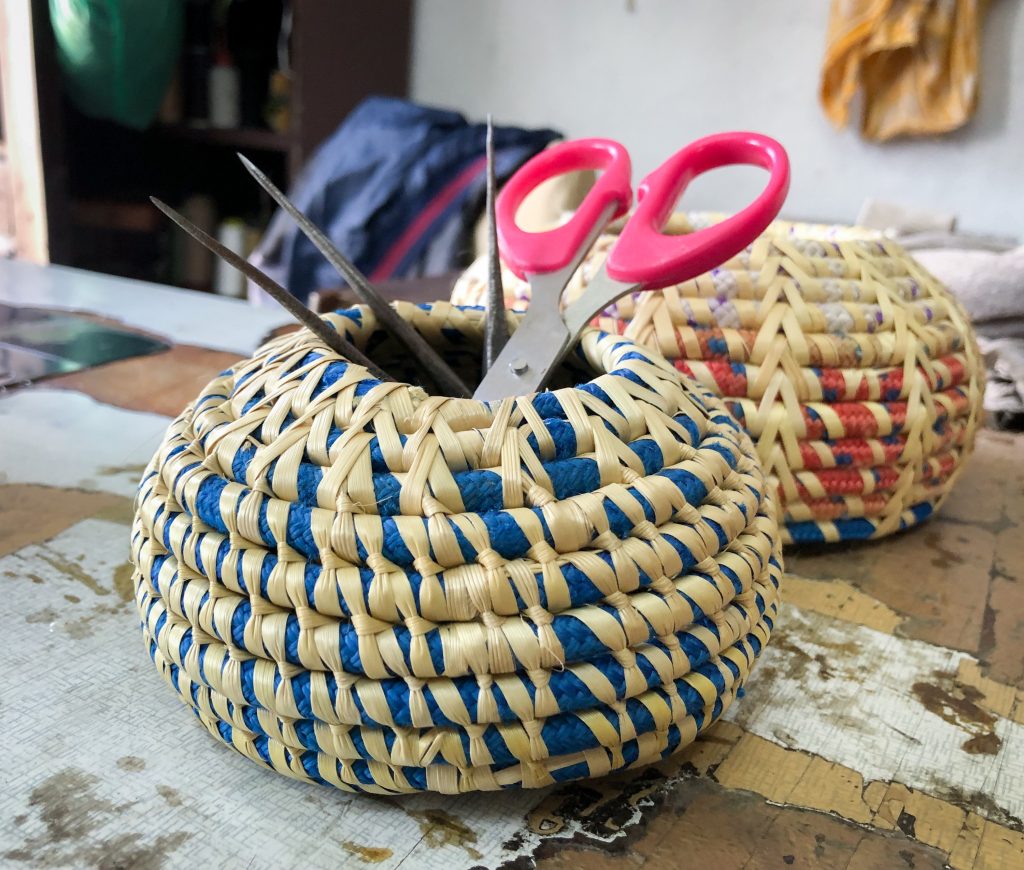
Reviving Traditions: The Importance of Upcycled Furniture
In an era where consumerism has become the norm, the art of upcycling furniture has emerged as a beacon of sustainability. This approach not only reduces waste but breathes new life into discarded items that might otherwise contribute to landfill overflow. Many artisans across the United States are turning their attention to old furniture pieces, inspiring a movement that embraces creativity while promoting environmental responsibility.
Upcycling involves transforming unwanted furniture into unique, custom-designed items. The process often starts with a careful assessment of what materials can be salvaged and how best to utilize them. For instance, an antique dresser can be transformed into a chic bathroom vanity by adding a modern sink and faucet. This not only extends the item’s life but results in a stylish statement piece that fewer people will have. By giving such furniture a second chance, artists and engineers alike are refurbishing the past while prioritizing the future.
Some popular techniques in the world of upcycled furniture include:
- Refinishing: Stripping down old finishes and applying new stains or paints enhances the beauty of the wood and provides a fresh look.
- Reupholstering: Giving new life to padded chairs and sofas can add a touch of individuality, especially by using fabrics made from recycled materials.
- Repurposing: Items can take on new functions, such as transforming an old wine crate into a coffee table or a ladder into a stylish bookshelf.
The popularity of upcycled furniture is evident in countless online marketplaces and social media platforms, where artisans share their finished projects and inspire others. These platforms have become vital in creating a community around sustainability, where individuals showcase their craftsmanship and empower others to embrace the art of upcycling. For example, Instagram hashtags like #upcycledfurniture and #furnitureflip have thousands of posts, illustrating the scope of creativity that this movement has garnered.
Textile Art: Weaving Together Sustainability and Style
Similarly, the field of textile art provides another rich dimension to sustainable crafting. As the fashion industry comes under scrutiny for its environmental impact, artisans are finding inventive ways to repurpose fabric scraps and old clothing rather than contributing to textile waste. Local communities often host workshops focused on these practices, bringing together individuals passionate about creativity and sustainability.
One particularly astonishing initiative is the creation of quilts made from discarded clothing. Participants in these workshops learn essential sewing techniques while engaging in storytelling through their projects. Each scrap of fabric carries a history, adding depth and value to the final creation. Other outcomes from these sessions include trendy tote bags and functional home décor items, crafted from what would otherwise be waste. In both the upcycled furniture and textile art spheres, the underlying principle is clear: to innovate while keeping sustainability at the forefront of the creative process.
Exploring the Intersection of Craftsmanship and Sustainability
The realm of craftsmanship intertwines with sustainability, presenting opportunities for innovative creative projects that have a profound impact on waste reduction. By embracing traditional techniques while incorporating modern sustainable practices, artisans can lead the charge in fostering eco-friendly initiatives. Each handcrafted item tells a story, promoting a deeper connection between the creator and consumer, which is vital in today’s disposable culture.
The Power of Upcycling
One of the most effective ways artisans contribute to sustainability is through upcycling—transforming discarded materials into new, functional art pieces. This practice not only minimizes waste but also challenges the conventional notion of consumption. For instance, artists are turning plastic waste into beautiful sculptures and furniture, illustrating the potential of reimagined materials. Upcycling not only sparks creativity but also encourages a shift in consumer attitudes towards valuing quality and longevity over quantity.
Community Engagement and Education
Additionally, projects that advocate for community involvement bring about a broader understanding of sustainability. Workshops that teach traditional crafting methods utilizing recycled materials can foster skills that empower individuals to create their own sustainable products. These initiatives often highlight the environmental footprint of what we create and consume, inspiring others to rethink their habits. The more community members engage in crafting, the more they contribute to a collective effort in reducing waste.
| Advantages | Impacts |
|---|---|
| Reduction of Waste | Less landfill contribution by creatively repurposing materials. |
| Promotion of Local Economies | Supporting local artisans leads to stronger community identity and economic growth. |
These innovative projects demonstrate that craftsmanship is not only about creating aesthetically pleasing items but also about fostering a sustainable future. As artisans continue to explore this multifaceted relationship, the potential for reducing waste and promoting environmental mindfulness increases exponentially.
DISCOVER MORE: Click here to learn about the benefits of painting for mental health
Innovative DIY Projects: Transforming Waste into Worth
The realm of DIY projects stands as a powerful testament to how creativity can intertwine with sustainability. Individuals across the United States are taking it upon themselves to reimagine everyday items that might otherwise be discarded. This “do-it-yourself” trend is not just a remarkable outlet for creativity but also an essential means of reducing waste. Community workshops, DIY videos, and social media platforms are fostering this culture, encouraging people to see potential in what many consider refuse.
One exciting area within the DIY sphere is the creation of home décor using upcycled materials. Individuals are transforming items like glass jars, tin cans, and even pallets into attractive decor pieces. For instance, mason jars can easily be converted into beautiful light fixtures, while old wooden pallets can be transformed into rustic garden furniture or staging boards. Not only do these projects reduce landfill contributions, but they also allow people to showcase their unique styles by customizing their spaces.
Moreover, the popularity of urban gardening has resulted in increased use of recycled materials to create planters. Old tires, broken furniture, and even plastic bottles are being creatively used to cultivate flowers and vegetables. These projects don’t only enhance sustainability; they promote a connection to nature and local food production. This shift toward urban gardening has not gone unnoticed, with community gardens sprouting up in many cities, encouraging residents to participate in self-sustainable practices.
Crafting with Purpose: The Art of Jewelry Making
The world of jewelry making also contributes significantly to sustainability through innovative techniques and materials. Artisans are increasingly using repurposed materials to craft unique jewelry pieces, effectively preventing waste while making art. Old electronic components, such as circuit boards and buttons, can be reimagined as funky earrings or necklaces, demonstrating both engineering and design prowess.
Additionally, many jewelers have embraced the concept of “ethical sourcing,” opting to use recycled metals and gemstones that have been reclaimed. This not only curtails waste in jewelry production but addresses significant issues surrounding the extraction processes that are often harmful to the environment and impoverished communities. Beyond the materials used, the narratives behind the pieces become vital; each handcrafted item tells a story of conservation and intent, further connecting artisans to their craft and the consumer.
Crafting Workshops: Bridging Community and Recycling
Across various cities, crafting workshops are emerging as popular venues for sustainability enthusiasts. These events encourage collaboration and creativity, where attendees learn how to upcycle items they may not have previously regarded as valuable. From creating eco-friendly home goods to making personalized gifts, these workshops educate participants on the importance of reducing waste while honing their artistry.
For example, several organizations offer classes on how to sew reusable shopping bags from old fabric remnants. This not only reduces plastic consumption but also promotes a lifestyle centered around sustainability. These community-building efforts are crucial as they not only disseminate valuable skills but also foster a mindset focused on conscientious consumption. Participants leave with newfound knowledge and inspiration to continue crafting sustainably within their own homes, becoming advocates for change in their communities.
The intersection of craftsmanship and sustainability reveals an enchanting world where talent meets ecological mindfulness. As more individuals engage with these practices, the creative possibilities continue to expand, leaving a lasting impact on both personal lives and the environment.
DISCOVER MORE: Click here to learn about the evolution of digital painting
Conclusion: Embracing Creativity for a Sustainable Future
The fascinating intersection of craftsmanship and sustainability embodies a movement that transcends mere fashion and trend. By engaging in creative projects that focus on reducing waste, individuals contribute not only to personal expression but also to the broader goal of environmental stewardship. From upcycling household items into unique décor to transforming discarded materials into cherished jewelry, the innovation seen across the United States showcases the potential of what can be accomplished with a little imagination and effort.
Moreover, crafting workshops and community initiatives offer invaluable opportunities for education and collaboration, nurturing a culture of sustainability that can inspire future generations. By fostering a sense of community, these efforts promote a shift in mindset, highlighting the value of resourcefulness and conscientious consumption. Individuals armed with new skills and perspectives carry this knowledge into their own homes and neighborhoods, amplifying the impact of these sustainability practices.
As we look ahead, it is clear that the journey towards a waste-conscious society requires not only creativity but also a collective commitment to rethinking our relationship with materials and craftsmanship. There is an untapped world of possibilities waiting to be explored, marked by innovation in how we use, reuse, and recycle. Each project, no matter how small, contributes to a larger narrative of ecological care. Therefore, embracing craftsmanship and sustainability is not merely a trend; it is an essential pathway toward a more resilient and responsible future where creativity and conservation walk hand in hand.