Craftsmanship as a Form of Empowerment: Stories of Artisans Who Changed Their Communities
The Power of Traditional Craftsmanship
Across the United States, traditional craftsmanship signifies a powerful movement that transcends mere skill; it serves as a beacon of empowerment and social change. By honing their crafts, artisans are not only improving their personal circumstances but are also reshaping the very fabric of their communities. This resurgence in traditional skills comes with profound implications for local economies, cultural preservation, and community cohesion.
Consider the following examples:
- Woodworkers in Appalachia: In regions like Appalachia, skilled woodworkers are reviving age-old carpentry techniques. By utilizing locally sourced materials, they create sustainable businesses that reduce reliance on mass production. For instance, these artisans may craft bespoke furniture or hand-carved decorations, fostering an appreciation for quality craftsmanship. Their businesses not only boost local economies but also encourage sustainable practices that resonate with environmental consciousness.
- Quilters in the Midwest: Quilting has a long-standing tradition in Midwestern communities, where quilters use their art to foster solidarity and tell powerful stories. Groups often gather for quilting bees, creating intricate designs that celebrate their shared heritage. The narratives behind these quilts can address themes of resilience, historical struggles, and cultural pride. Such communal gatherings help forge deeper connections among participants, reaffirming a collective identity.
- Jewelry makers in urban centers: In bustling urban environments, jewelry makers are taking innovative approaches to blend art with social responsibility. They frequently offer mentorship and job training programs aimed at underserved youth, turning passion into career pathways. By sharing skills such as metalworking and design, they empower young people to create their own jewelry lines, fostering entrepreneurship and confidence.
These artisans exemplify how creativity can bridge economic gaps, promote cultural heritage, and instill a sense of pride within communities. Their work is not merely about creating tangible products; it reflects a broader narrative of resilience, ingenuity, and connection. For example, the stories woven into each quilt or the history carved into a wooden chair create a tapestry of experience that enriches community life.
As we explore these inspiring stories, it becomes clear that craftsmanship plays a vital role in shaping not just local identities but also a brighter future for many. From farmers’ markets to online artisan platforms, these makers are contributing not only goods but also hope and empowerment. They are redefining what it means to be a community, where creativity thrives and celebrates cultural diversity.
Join us on this journey to delve deeper into the remarkable ways that craftsmanship is molding new possibilities and fostering connections throughout America. The resilience found in these narratives is a powerful reminder of the impact that traditional skills can have on our lives and the world around us.
DISCOVER MORE: Click here to turn your passions into profits
Artisans as Catalysts for Community Transformation
The power of craftsmanship extends beyond mere artistry; it serves as a catalyst for community transformation. In regions grappling with economic downturns and cultural dilution, artisans are redefining their identities and reclaiming their narratives through traditional crafts. These artisans not only offer beautifully crafted goods but also create *opportunities for employment*, cultural dialogue, and community resilience.
For instance, in the highlands of New Mexico, the revival of pottery making has become a symbol of empowerment for many Native American artisans. Pottery artisans are not only preserving ancient techniques but are also passing down cultural knowledge to younger generations. By sourcing clay from local lands and using traditional firing methods, these artisans create pieces that hold both functional and spiritual significance. Their work not only champions sustainable practices but also elevates their cultural heritage, drawing tourists and art enthusiasts alike. This influx of visitors helps sustain the local economy, fostering a sense of pride and connection among community members.
Building Bridges Through Craft
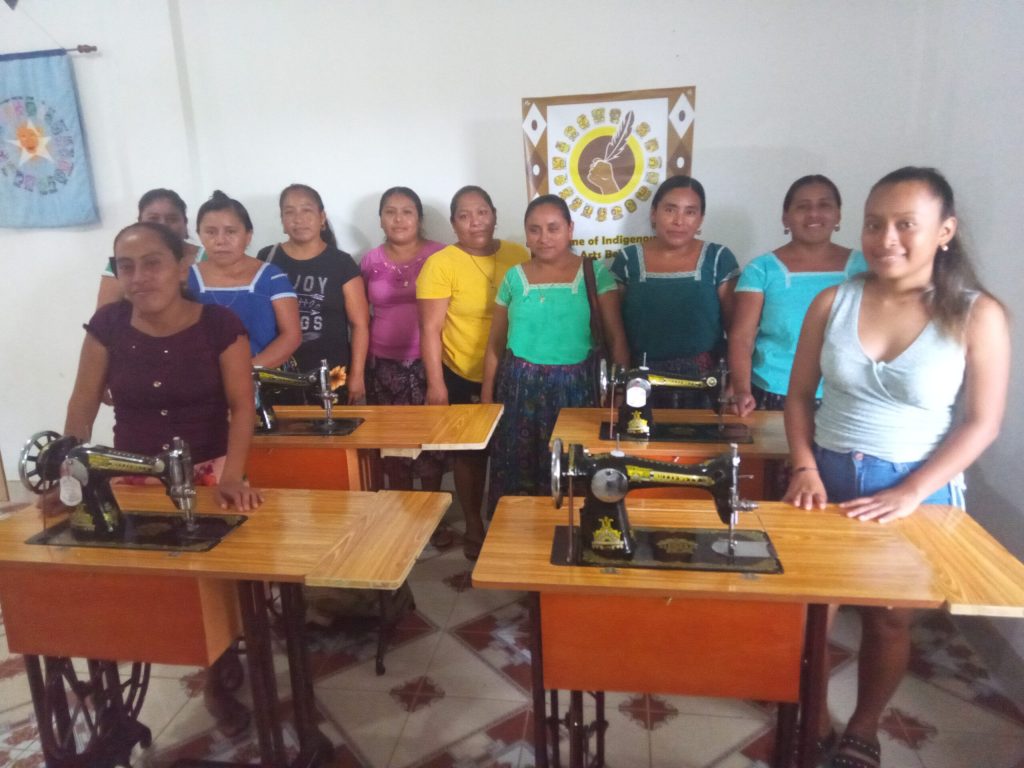
Similarly, in the bustling streets of Los Angeles, a group of tailors from diverse immigrant backgrounds has united to form a cooperative. This initiative empowers its members by sharing resources and knowledge, ultimately allowing them to compete in the fashion industry. Crafting garments that combine cultural aesthetics with contemporary trends, these tailors are expressing their identities while securing livelihoods. The cooperative model also encourages collaboration and networking, showcasing how shared craftsmanship can lead to expanded opportunities.
The impact of these artisans extends far beyond their immediate circle. When communities engage in craftsmanship, they are often faced with challenges such as unequal access to resources and markets. However, many artisans are overcoming these hurdles by utilizing local networks, forming partnerships, and leveraging technology. This collaborative approach not only helps artisans thrive but also promotes a culture of innovation that positions communities favorably in the broader economic landscape.
- Economic Development: Artisans create jobs and stimulate local economies by opening workshops and selling their crafts.
- Cultural Engagement: They encourage cultural exchange, facilitating dialogue that fosters understanding between diverse groups.
- Environmental Awareness: By using sustainable practices, they promote responsibility towards both community and nature, ensuring future generations can benefit from their work.
As we delve deeper into the stories of these artisans, it becomes evident that their craftsmanship represents not only a form of personal expression but also a collective movement towards empowerment. They embody the spirit of resilience, using their skills to uplift their communities and redefine their futures. The narratives emerging from these endeavors illuminate the intricacies of human connection, creativity, and the profound impact of craftsmanship on society. Through their journeys, we witness the art of making as a powerful agent for change, reminding us all of the strength found in community and tradition.
Craftsmanship as a Form of Empowerment
Craftsmanship, often seen as a traditional skill, has emerged as a significant force for social change and empowerment within various communities. The stories of artisans who have harnessed their craft reveal how skillful hands can forge not only beautiful objects but also transform lives and communities. From textiles to pottery, craftsmanship offers individuals a means to reclaim their identities and assert their place within society.Artisans like Maria, a weaver from Guatemala, have utilized their heritage to create vibrant textiles that not only reflect their culture but also serve as a source of income. By promoting their work, they can support their families and provide education for their children, establishing a cycle of growth that benefits the entire community. The significance of these crafts extends beyond mere aesthetics; they are lifelines, allowing artisans to build a sustainable future. Moreover, the impact of these artisans often ripples through their communities. As they gain recognition and financial stability through their crafts, they inspire others to follow suit. Workshops and training programs can blossom from these initiatives, leading to greater participation in the local economy. Through shared knowledge, skills are preserved, and new generations are empowered to keep traditions alive while creating modern interpretations that meet contemporary needs.
| Category 1 | Category 2 |
|---|---|
| Empowerment Through Skills | Craftsmanship enables artisans to develop valuable skills that enhance their livelihoods. |
| Community Transformation | Artisans inspire collective growth, leading to improved education and economic conditions locally. |
Each artisan’s story contributes to a greater narrative about the potential of craftsmanship, demonstrating how art can be a powerful vehicle for change. As we delve deeper into these stories, we find that craftsmanship is not merely a means of survival but a testament to resilience, creativity, and community spirit.
DISCOVER MORE: Click here to learn about sustainable crafts
Reimagining Roles: Craftsmanship in the Modern Age
As traditional crafts evolve in response to contemporary demands, the role of artisans is being reimagined. The impact of technology is transformative, creating pathways for artisans to not only preserve their techniques but also reach wider markets. One striking example is the digital craftsmen—artisans who utilize social media and e-commerce platforms to showcase their creations while maintaining cultural integrity. In the heart of Brooklyn, a group of jewelry makers from various cultural backgrounds banded together to create a vibrant online marketplace. They harness the power of storytelling, sharing the cultural significance behind each piece, which resonates with a global audience and elevates both their craftsmanship and cultural heritage.
This blending of tradition and technology showcases the adaptability of artisans in the face of globalization. Artisans are cultivating a unique space in the economy, allowing them to compete against mass-produced goods while highlighting their distinct value. For instance, a basket weaver from South Carolina has embraced social media to not only sell her handwoven goods but also run workshops online, teaching others the art of basketry. This approach not only expands her business but also creates an educational platform for those interested in their cultural heritage.
Craftsmanship as a Means of Social Justice
Moreover, the stories of artisans are often interwoven with themes of social justice, as they confront issues of inequality and marginalization through their work. In Chicago, a collective of quilters from underserved neighborhoods has turned their craft into a medium for advocacy. By integrating community concerns into their quilts, they address pressing social issues such as gun violence and displacement. These quilts, displayed in local exhibitions, serve as powerful visual narratives that call for change and bring attention to the strength of unity within the community.
The gateway to social justice can also be found in the practice of ethical sourcing. Artisans across the United States are increasingly committed to using materials that reflect their values, often opting for local or recycled materials. This not only reduces environmental footprints but also strengthens local economies and promotes ethical labor practices. The work of artisanal woodworkers in Oregon exemplifies this commitment. By using reclaimed wood from defunct buildings to create furniture, these artisans not only reduce waste but also tell a story of preservation and sustainability. Each piece of furniture becomes a testament to their craftsmanship, infused with history and respect for the environment.
- Diverse Representation: Artisans from various backgrounds bring rich histories to their crafts, fostering inclusivity and cultural respect.
- Education and Mentorship: Many artisans are committed to providing educational opportunities, thus passing on their skills and cultural knowledge to the next generation.
- Community Solidarity: By working collaboratively, artisans are bolstering community support networks that strengthen resilience and adaptability.
The evolution of artisanship as a form of empowerment illustrates the resilience and ingenuity of the human spirit. Craftsmanship is a tool not only for economic survival but also for cultural reclamation and social justice. Each crafted item carries stories that resonate far beyond the physical world, uniting artisans and their communities in transformative ways and inviting broader engagement with issues that matter. These narratives, filled with determination and hope, remind us that within the heart of craftsmanship lies the potential for profound societal change.
DISCOVER MORE: Click here to delve into creative writing
Conclusion: The Transformative Power of Craftsmanship
In an era where the essence of traditional craftsmanship often risks being overshadowed by mass production, the stories of artisans stand as powerful testaments to the enduring impact of their work. Through their craft, these skilled individuals are not only reclaiming their cultural narratives but also igniting social change within their communities. The interplay of innovation and heritage has enabled artisans to harness technology, expanding their reach and fostering greater awareness of their craft’s significance.
As showcased by the diverse experiences of artisans across the United States—from the inspiring jewelry makers in Brooklyn to the advocacy-driven quilters in Chicago—craftsmanship is a dynamic force for social justice. By addressing issues of inequality through their art, these artisans reveal how creativity can serve as a catalyst for community engagement, education, and solidarity. Moreover, the commitment to ethical sourcing and sustainable practices reflects a growing awareness among artisans about their role in fostering a better world.
Ultimately, the craftsperson’s journey is not merely about creating physical objects; it is about building connections, empowering voices, and challenging societal norms. As we celebrate the resilience and ingenuity of these artisans, we invite readers to explore and support local craftsmanship, recognizing that every handmade piece is laden with stories that have the potential to inspire change. By valuing craftsmanship, we not only uplift the artisans themselves but also contribute to a more equitable and conscious society.