
Creative Writing: How to Transform Emotions into Words Through Journals and Short Stories

The Importance of Emotional Expression through Writing
Every human experience is rich with emotions, yet articulating them can be a daunting task. Creative writing offers a powerful vessel for expressing our innermost feelings. Whether it’s through the quiet reflections of a journal or the captivating plots of short stories, transforming raw emotions into written words can be both therapeutic and enlightening.
The Magic of Journaling
Journaling allows for a personal exploration of thoughts and feelings. It serves as a safe space for:
- Self-reflection: By putting pen to paper, individuals can reflect on their experiences, evaluating their responses and understanding how those responses influence their emotional well-being. A daily journaling practice can unveil patterns in one’s life that may otherwise remain unnoticed.
- Emotional release: Writing about one’s innermost feelings can be incredibly cathartic. Whether it’s chronicling a day filled with frustration or joy, the act of writing can help alleviate emotional burdens, providing a sense of relief and clarity.
- Clarifying thoughts: Many people struggle with their thoughts, especially during stressful times. Journaling provides a structured way to organize these thoughts, making it easier to identify what truly matters.
Through daily practice, one learns to dissect and understand emotions on a deeper level. For instance, noticing when certain emotions arise during particular experiences can guide individuals toward healthier responses in future encounters, ultimately leading to improved emotional intelligence.
Crafting Short Stories
Short stories provide a unique way to weave emotions into narratives. They empower writers to:
- Create relatable characters: Characters that reflect real-life emotions can resonate deeply with readers, allowing them to see parts of themselves within the story and facilitating a deeper emotional connection.
- Construct compelling plots: The art of storytelling often revolves around conflict and resolution, mirroring the emotional struggles we all face. Engaging plots can keep readers invested, drawing them into a world where their own emotions may echo.
- Dialogue that resonates with readers: Authentic dialogue captures the nuances of emotion, allowing characters to express their feelings vividly. This helps readers to feel the weight of these emotions, enhancing their overall reading experience.
These elements help to draw audiences into a narrative landscape that feels familiar yet enchanting. A beautifully crafted short story, such as those found in collections like “The Things They Carried” by Tim O’Brien, showcases how emotional depth can resonate across various experiences, encouraging readers to reflect on their own lives.
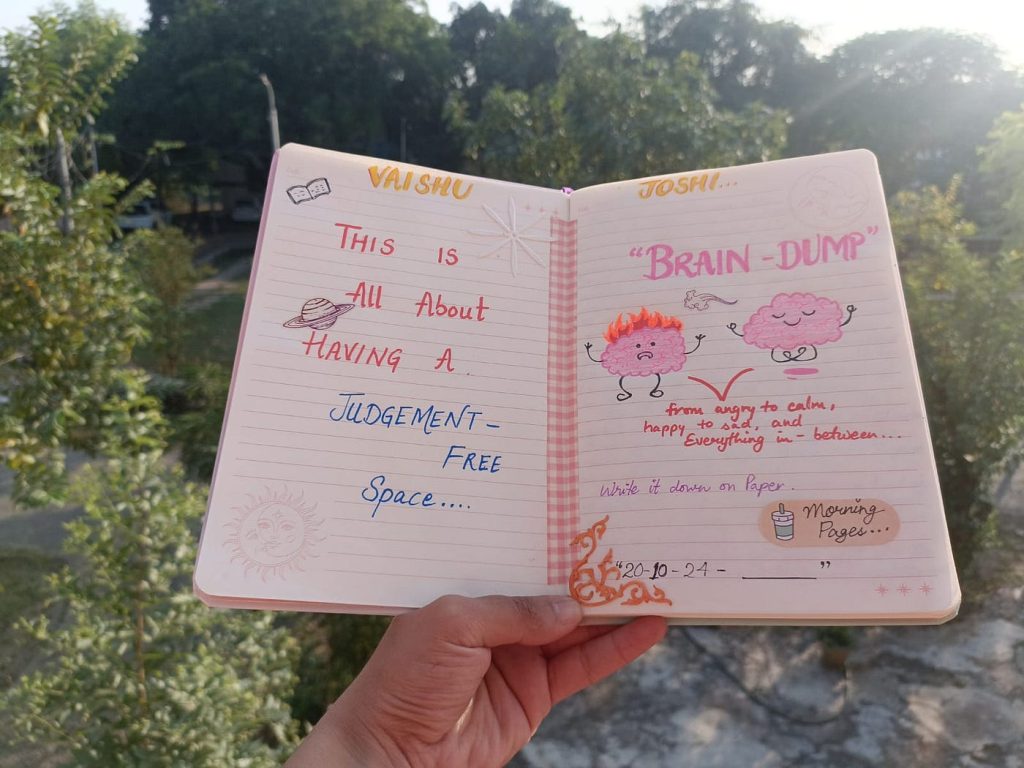
In this article, discover how creative writing can transform emotions into powerful narratives, providing a voice to feelings often left unspoken. Explore techniques that bring clarity and connection to your writing journey, helping you not only express your own emotions but also connect more deeply with others through the universal language of storytelling.
DISCOVER MORE: Click here to dive deeper into the world of digital art
Unleashing the Power of Emotion in Writing
Creative writing is not just an art form; it is a medium that enables individuals to dissect and articulate emotions that are often difficult to express verbally. The ability to translate feelings into words is essential for connecting with ourselves and others. By developing writing skills through journaling and short stories, writers can embark on an emotional journey that enhances both personal growth and storytelling prowess.
The Therapeutic Benefits of Journaling
Journaling is a transformational process that can change the way we perceive our emotions. Those who engage in regular writing find that it fosters a deeper relationship with their feelings. Here are some notable benefits of this practice:
- Encouraging vulnerability: Journals serve as a private sanctuary where individuals can express their true selves without fear of judgment. This vulnerability opens the door to genuine emotional exploration, leading to greater self-acceptance.
- Enhancing mindfulness: When writing in a journal, practitioners often experience heightened awareness of their thoughts. This mindfulness helps in recognizing emotional triggers, giving individuals tools for managing their responses effectively.
- Documenting personal growth: Over time, a journal becomes a repository of one’s emotional evolution. Revisiting past entries can reveal significant changes, allowing individuals to celebrate their progress and gain perspective on their journeys.
Utilizing prompts can further enrich the journaling experience. Questions like “What am I grateful for today?” or “What lesson did I learn from my challenges?” can direct the flow of thoughts, enabling deeper insight.
Short Stories: A Canvas for Emotional Exploration
Short stories provide a broader scope for expressing and exploring complex emotions through characters and narratives. They allow writers to encapsulate and dramatize feelings in a way that resonates with readers. Here’s how:
- Creating immersive experiences: Characters in short stories often encapsulate struggles that readers can relate to, providing an avenue for empathy. This emotional resonance can spark meaningful discussions among audiences.
- Exploring diverse perspectives: Short stories allow writers to step into the shoes of different characters, presenting multifaceted emotional landscapes. This exploration can broaden readers’ understanding of various emotional states and life situations.
- Incorporating symbolism and metaphor: Through literary devices, writers can illustrate emotions more vividly. Whether through a stormy sky symbolizing anger or a blossoming flower representing hope, these elements enrich the narrative and elevate the reader’s emotional experience.
One notable example is Raymond Carver’s collection, “What We Talk About When We Talk About Love,” which showcases the complexities of romantic relationships. Carver’s ability to weave raw emotions into everyday conversations exemplifies how short stories can reflect significant emotional truths.
As we delve deeper into the realm of creative writing, it becomes evident that transforming emotions into words is not merely about storytelling—it is an indispensable skill for processing life’s tumultuous experiences. Understanding the emotional depth of writing can lead to connections that transcend mere words, inviting readers and writers alike to engage in authentic expression and shared understanding.
| Advantages | Impact on Creative Writing |
|---|---|
| Improved Emotional Awareness | Writing regularly in journals allows for the exploration of complex emotions, fostering a deeper understanding of oneself. |
| Enhanced Storytelling Skills | Engaging in creative writing can significantly boost the ability to craft compelling narratives that resonate with readers. |
Exploring these advantages emphasizes how fundamental journaling and short stories can be for anyone looking to refine their writing craft. For instance, when one communes with their inner thoughts through journaling, it creates a rich tapestry of ideas and experiences that can be woven into character development or plot lines in short stories. Additionally, the practice of reflecting on daily experiences through writing not only elevates emotional intelligence but also translates to more authentic storytelling. When you translate feelings into words, the resulting narratives can captivate and connect with readers on a profound level. Thus, enhancing one’s creative writing toolkit makes it possible to invoke empathy, intrigue, and authenticity—all crucial for a standout piece of literature. Delve deeper into these practices to unlock your creative potential.
DISCOVER MORE: Click here to dive into the evolution of digital painting
Finding Your Voice Through Emotional Writing
As writers delve into the transformative journey of emotional expression through creativity, it is crucial to discover and nurture a unique voice. This voice serves as the bridge between raw feelings and the written word, enabling writers to convey their truth authentically. Harnessing emotion through both journaling and short stories allows writers to examine their perspectives, cultivate their style, and make their mark in the literary world.
Developing a Unique Writing Style
Every writer possesses an innate style that emerges from their emotional expressions. Nurturing this individuality can greatly enhance creative writing. Here are practical strategies to uncover and develop a distinctive writing style:
- Experiment with different forms: Writers can explore various genres, from poetry and flash fiction to memoirs and personal essays, discovering what resonates with them. Experimentation can reveal the most powerful ways to channel emotions onto the page.
- Emphasize authenticity: Genuine emotions resonate strongly with readers. Writers should focus on their personal experiences, digging deep into their feelings to evoke a stronger connection. Authenticity carries the weight of emotional truth that captivates audiences.
- Engage in descriptive writing: Vivid descriptions can create a more profound emotional impact on the readers. By honing the ability to describe scenes, characters, and emotions intricately, writers can transport their audience into the heart of their stories.
Using Emotional Triggers in Short Stories
Short stories offer an excellent avenue for incorporating emotional triggers that can evoke genuine responses from readers. Writers can skillfully embed these triggers into their narratives to create stronger connections. Here are some techniques to consider:
- Employ relatable scenarios: By exploring situations that resonate with a wide audience—such as heartbreak, loss, or triumph—writers can tap into common human experiences that evoke empathy and reflection.
- Character development through emotional challenges: Strong characters often face emotional dilemmas that drive the narrative. By crafting compelling arcs that showcase their vulnerabilities, writers give readers a reason to invest emotionally in the characters’ journeys.
- Utilize dialogue to reveal emotion: Authentic dialogue can be a powerful tool for conveying feelings. Conversations are often laden with unspoken emotions, misunderstandings, and tensions. Using dialogue effectively can highlight the emotional stakes within a story.
For instance, Alice Munro, a renowned short story writer, masterfully interweaves complex emotions through her characters’ personal dilemmas. Her stories often explore the intricacies of human relationships, allowing readers to engage deeply with underlying feelings of joy, sorrow, and nostalgia. This depth invites readers not only to absorb the narrative but also to reflect on their own experiences and emotional landscapes.
In the realm of creative writing, crafting one’s voice and utilizing emotional triggers can be a liberating practice. By engaging with their inner landscapes through journaling and transforming those feelings into compelling short stories, writers unlock the power that emotions hold—both as a means of self-discovery and as a tool for connecting with others.
DISCOVER MORE: Click here to get inspired by eco-friendly DIY projects!
Conclusion: Embracing the Power of Emotional Expression in Creative Writing
As we navigate the captivating world of creative writing, the exploration of emotions serves as a vital component in bridging the gap between personal experiences and the written word. Through journals and short stories, writers have the opportunity to delve deep into their emotional landscapes, uncovering truths that resonate with both themselves and their readers. This journey not only cultivates a unique voice but also enhances the authenticity of their narratives.
Incorporating emotional influences into writing transforms mere words into compelling stories that evoke empathy and reflection. By engaging with relatable scenarios, developing multidimensional characters, and employing evocative language, writers can craft works that resonate on a profound level—inviting readers to share in the rollercoaster of human experience. Authors like Alice Munro exemplify the incredible impact of intertwining emotion with storytelling, ensuring that their tales are not just read, but felt.
Moreover, the act of journaling serves as both a creative outlet and a therapeutic endeavor, enabling writers to confront and navigate their own feelings. As more individuals embrace writing as a means of self-exploration, the potential for transformative storytelling grows exponentially. Ultimately, the art of transforming emotions into words is a powerful practice that not only enriches the lives of those who write but also fosters deeper connections with audiences across the globe. As you embark on your creative journey, remember that every emotion holds a story—waiting to be transformed into captivating prose.