Exploring Music as Creative Expression Boosting Self-Esteem Social Bonds
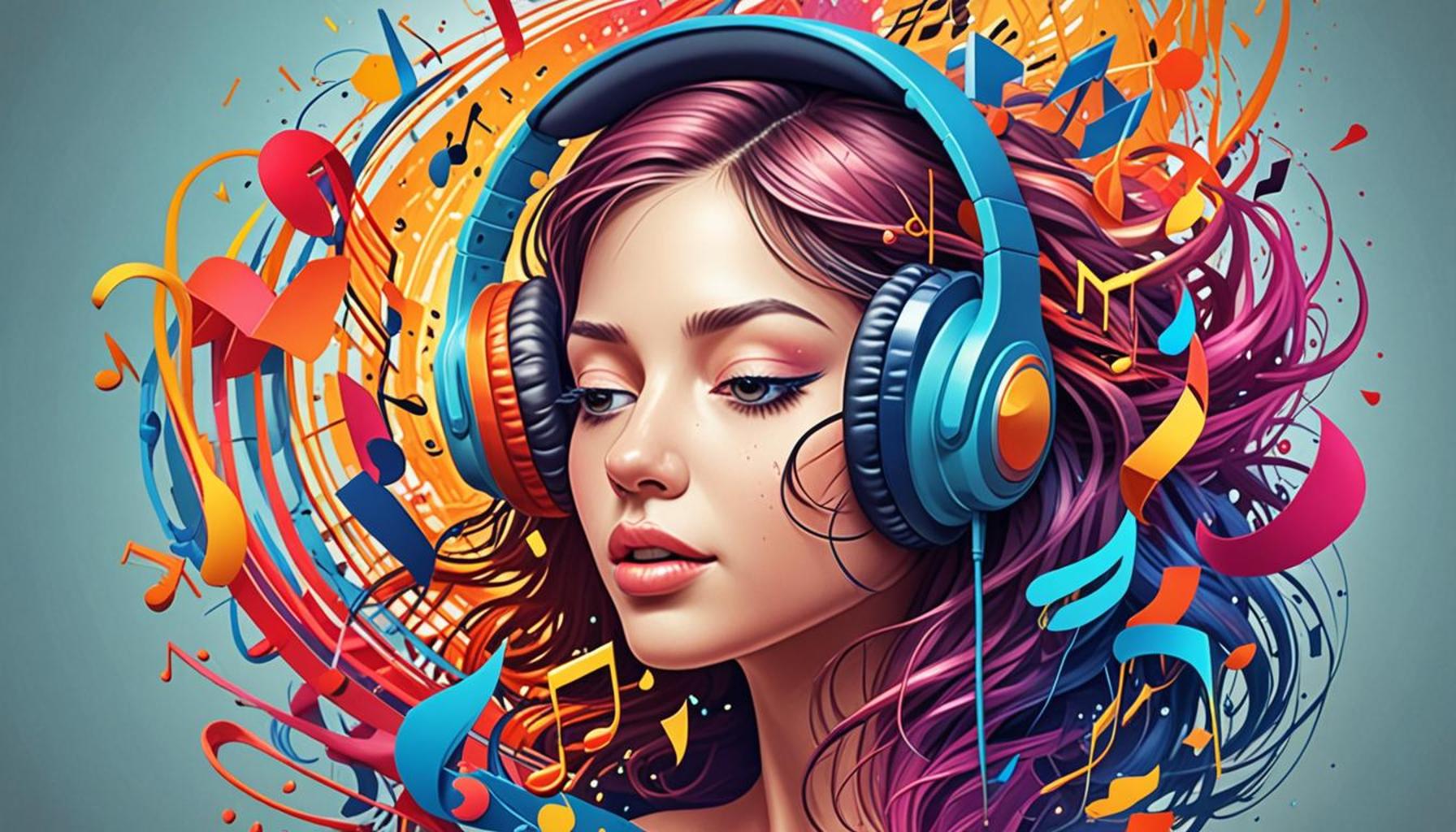
Unleashing the Power of Music
Music has been an integral part of human culture for centuries, serving not only as entertainment but also as a powerful medium for self-expression. In today’s fast-paced world, exploring music as a form of creative hobby can significantly influence self-esteem and foster social connections. Through composition and performance, individuals find unique ways to communicate emotions and thoughts.
The Impact on Self-Esteem
Creating music allows individuals to channel their feelings, helping them to build a positive self-image. Engaging in musical composition offers:
- Improved emotional awareness
- Enhanced problem-solving skills
- A sense of accomplishment from completing a piece
Strengthening Social Bonds
Music also fosters connections with others, providing opportunities to collaborate and share experiences. Participating in musical activities can lead to:
- Group performances
- Networking with fellow musicians
- Creating lasting friendships through shared interests
Discover the Top 5 Benefits
In the following sections, we will explore the top five benefits of music as a creative hobby, highlighting its transformative effects on individuals and communities. Join us in uncovering how composing music can truly enhance your life.
Top 5: Exploring Music as a Creative Form of Expression: The Impact of Musical Composition on Self-Esteem and Social Connections
Throughout history, music has served as a profound form of human expression, allowing individuals to convey emotions, share stories, and build connections. In this comprehensive exploration, we delve into the multifaceted world of musical composition, uncovering its deeply-rooted impact on self-esteem and social relationships. Here, we present a ranked list of the top five ways through which musical composition can enhance personal well-being and community bonds, a testament to the enduring power of this art form.

5. Cathartic Release Through Composition
One of the most significant advantages of songwriting is its ability to act as a cathartic outlet for individuals. For those grappling with personal struggles or challenging emotions, composing music can serve as a therapeutic process that allows creators to express their feelings in a tangible form. This personal engagement with emotions can lead to a much-needed release, ultimately enhancing emotional well-being.
Many artists report experiencing a sense of relief and clarity when transforming their emotions into lyrics and melodies. This structured form of expression not only helps them cope during difficult times but also provides an opportunity for reflection. This can be likened to the process of journaling or verbalizing thoughts to a confidant—both known therapeutic practices.
- Emotional clarity: Songwriting provides a medium to clarify and articulate complex emotions, making them more manageable.
- Coping mechanism: The creation of music serves as an outlet that can be especially beneficial during periods of emotional upheaval.
- Empowerment: Crafting music enables individuals to take control of their narrative, fostering a sense of resilience and self-efficacy.
4. Boosting Self-Esteem through Artistic Achievement
Embarking on the journey of creating music, whether it’s through songwriting or instrumental composition, can significantly enhance one’s self-esteem. The completion of a song or a musical piece instills a profound sense of accomplishment and pride. This achievement is particularly impactful for individuals who may struggle with self-worth or feel alienated from societal norms.
Moreover, sharing this newly created work with others, whether with friends or through public performances, further amplifies this sense of validation. Positive feedback acts as a reinforcing mechanism, creating a fulfilling cycle of growth and increased confidence. Numerous artists find that as they continue to compose, they refine their skills, which, in turn, leads to higher self-efficacy and an amplified sense of personal prowess.
3. Building Social Connections through Collaborative Efforts
Music inherently has a social component, with its composition fostering strong friendships and community ties. Collaborative songwriting or group musical projects can bring together diverse perspectives and talents, resulting in unique and memorable musical creations. Whether collaborating in a band or with fellow musicians, these experiences build significant camaraderie and mutual respect.
Through this collaborative process, music acts as a universal language that can break cultural or linguistic barriers, connecting people from diverse backgrounds. The interactions resultant from these activities cultivate a sense of belonging and community, elements vital for mental health and overall well-being. Engaging with others in such creative settings enriches one’s social life, paving the way for more meaningful connections.
2. Sharing Stories and Cultural Expression
Composition provides an invaluable platform for individuals to share their stories and cultural backgrounds. Through enriching lyrics and evocative melodies, artists can explore and convey their identities, experiences, and personal histories. This act of sharing fosters understanding and embraces diversity, leading to increased cultural pride and awareness.
Music’s ability to transcend language and cultural barriers renders it an effective tool for communication. Compositions emphasizing personal or cultural narratives initiate discussions and promote empathy among listeners, offering a form of communion that builds societal cohesion. This especially applies in multicultural communities, where music can serve as the thread weaving people together amidst diversity.
1. Enhancing Mental Health and Well-Being
Topping our list is the profound impact that musical composition has on mental health and emotional well-being. A plethora of studies indicate that engaging in creative activities, such as songwriting or musical composition, can significantly decrease symptoms of anxiety and depression. The creative process initiates a form of mindfulness, grounding individuals in the present moment and offering them solace.
Moreover, the connection established between musicians and their audiences during live performances cultivates strong feelings of belonging and acceptance. The supportive communities often fostered by music can act as a protective buffer against various mental health challenges. From formal music therapy sessions to casual music-making, the benefits derived from composing music significantly enhance individuals’ quality of life.
In conclusion, whether for personal expression, confidence-building, or forming social bonds, the impact of musical composition is profound and far-reaching. It provides a valuable avenue for connection and self-discovery, enriching the lives of individuals and communities alike. Through such engagement with music, we continue to learn, grow, and build bridges over cultural and personal barriers, reaffirming its place as an indispensable form of human expression.
| Category | Description |
|---|---|
| Self-Expression | Music composition serves as a powerful outlet for individuals to express their emotions, thoughts, and experiences. This auditory form of personal storytelling allows composers to translate their inner world into melodic structures, lyrics, and rhythms, bridging the gap between their inner feelings and external expression. |
| Building Self-Esteem | Creating music can significantly boost self-esteem, as it provides individuals with a sense of accomplishment and validation. The act of seeing one’s creations come to life fosters a sense of pride and encourages further exploration of their creative capabilities. |
| Social Connections | Music has an innate ability to connect people across different backgrounds and cultures. Collaborative composition projects or community music programs foster bonds among participants, leading to friendships and networks that enhance social engagement and support. |
| Therapeutic Impact | Engaging in music composition is increasingly recognized for its therapeutic benefits. Many individuals use songwriting as a form of emotional release, aiding in the management of anxiety and stress. In structured settings, music therapy programs incorporate composition to facilitate personal growth and emotional healing. |
Frequently Asked Questions about Music as a Creative Expression
How does musical composition influence an individual’s self-esteem?
Engaging in musical composition allows individuals to express themselves in a unique and personal way. This process can lead to increased self-awareness and self-confidence, as creators discover their voices through melody and lyrics. Furthermore, achieving certain milestones in composition, such as completing a piece of music or receiving positive feedback, can significantly boost a person’s self-worth. The act of creating something original can empower individuals, reinforcing their belief in their abilities and intrinsic value.
What role does music play in fostering social connections?
Music has always been a powerful medium for bringing people together. Whether it’s through collective performances, concerts, or collaborative projects, music fosters a sense of community. By participating in these activities, individuals can establish and strengthen social bonds, sharing their passion and creating shared experiences. Music transcends cultural and language barriers, bridging gaps and facilitating communication between diverse groups. This communicative power of music can create enduring friendships and networks.
Can music therapy be considered a form of creative expression?
Absolutely. Music therapy utilizes musical elements to address emotional, cognitive, and social needs, offering a therapeutic creative outlet. For those who may struggle with verbal expression, music provides an alternative medium to communicate feelings and thoughts. Through songwriting, instrument playing, or even rhythmic exercises, individuals can explore and express their inner worlds in a safe and supportive environment. As a result, music therapy not only serves as a tool for healing but also as a valid form of creative expression.
In what ways can composing music impact emotional well-being?
Composing music provides an avenue for emotional exploration and release. The creative process allows individuals to channel their emotions into their work, offering clarity and insight into their own feelings. This introspection can lead to greater emotional regulation, as individuals gain a better understanding of their emotional landscapes. By confronting and articulating emotions through music, individuals often find a sense of relief and emotional stability. Furthermore, the satisfaction of completing a composition can lead to feelings of accomplishment and joy.
Is musical creativity accessible to everyone, irrespective of background or skill level?
One of the most amazing things about music is its inclusivity. Whether you’re a professional musician or a beginner picking up an instrument for the first time, the opportunity to create music is accessible to all. There are many resources available for different skill levels, and technology has further democratized the ability to compose and produce music. You don’t necessarily need formal training to start composing; sometimes, all you need is inspiration and the willingness to explore. Music is a universal language, open to anyone who wishes to engage with it creatively.
Conclusion
In exploring the realm of music as a creative expression, it becomes profoundly clear that musical composition holds immense power in shaping an individual’s self-esteem and fostering meaningful social connections. The journey through various facets of music creation, from writing lyrics to composing melodies, offers a unique pathway for individuals to express their innermost thoughts and emotions. This process not only serves as a cathartic outlet but also significantly enhances one’s self-worth.
As individuals engage with music, either as creators or consumers, they often report a boost in confidence and an enriched sense of identity. The act of composing music provides a safe space to explore personal narratives and express vulnerability, which can lead to a profound sense of accomplishment and self-acceptance. Furthermore, sharing musical creations with others can break social barriers and build connections, as it often evokes shared stories and emotions, allowing artists and audiences to resonate on a deeper level.
In addition to these personal benefits, music serves as a universal language that transcends cultural and linguistic boundaries. The collaborative aspects of music-making can lead to strengthened social networks and a sense of belonging, bringing individuals from diverse backgrounds together under a common passion.
As society continues to recognize the therapeutic and unifying power of music, it becomes imperative to further investigate and support music education and creative engagement. Encouraging the exploration of music as a hobby or even a professional pursuit can contribute significantly to individual well-being and collective social harmony. Ultimately, embracing music as a form of creative expression offers a pathway to more enriched lives, fortified by self-awareness and a stronger connection to the world around us.