Handicrafts and Pop Culture: How Media Trends Influence Creative Practices
The Rising Influence of Handicrafts in Popular Culture
The vibrant world of handicrafts is increasingly intertwined with pop culture trends, propelled by media influences. As new content emerges daily across various platforms, traditional crafting techniques are reimagined to reflect modern tastes and preferences. This phenomenon is reshaping how we perceive art, creativity, and commerce.
Factors Driving the Relationship Between Handicrafts and Pop Culture
Several key factors drive this fascinating relationship, contributing to the resurgence of handmade items in contemporary culture:
- Social Media Impact: Platforms like Instagram and Pinterest have become digital showcases for artisanship, where the visually stunning nature of crafts can go viral quickly. For instance, the “macramé” trend saw a massive revival on these platforms, inspiring countless DIY tutorials and resulting in a surge of items ranging from plant hangers to wall decor being shared and sold.
- Celebrity Endorsements: Influencers and celebrities who promote handcrafted goods act as powerful catalysts in this space. For example, figures like Oprah Winfrey and Ellen DeGeneres have featured artisan products on their shows, elevating their visibility and desirability and transforming them into coveted consumer items that resonate with wider audiences.
- DIY Culture: The rise of DIY videos and crafting tutorials on platforms such as YouTube has democratized craft skills. Through accessible instruction, individuals are motivated to create their masterpieces. This flourishing DIY culture has empowered people to engage with handicrafts, leading to increased sales in craft supplies and handmade goods in local shops and online marketplaces.
This dynamic interaction not only reshapes what is made but also how it is marketed and sold. Consumer preferences are shifting towards unique, handcrafted items that tell a story and reflect individuality. As a result, handicrafts are increasingly seen as embodying societal values and cinematic narratives, engaging audiences in ways that deepen their connections to both past traditions and evolving identities.
Looking Ahead at Craft Trends
As we delve deeper into this subject, we observe various trends that resonate with creators and consumers alike. For instance, the integration of sustainable practices in handicrafts—like using recycled materials—echoes broader societal concerns about environmental stewardship. Craft fairs that highlight sustainable artisans are gaining popularity, drawing significant crowds and media attention. Online platforms, too, such as Etsy, champion eco-friendly practices, further bridging the gap between conscientious consumerism and artistry.
What does the future hold for these creative practices at the crossroads of tradition and innovation? As society continues to shift towards authenticity and individual expression, the evolution of handicrafts within pop culture will likely adapt, providing both inspiration and fresh opportunities for engagement. Key questions remain: How will new technologies—such as augmented reality and 3D printing—reshape what is possible in the realm of crafts? And more crucially, how will these changes affect the artist’s role in the ever-evolving landscape of cultural production?
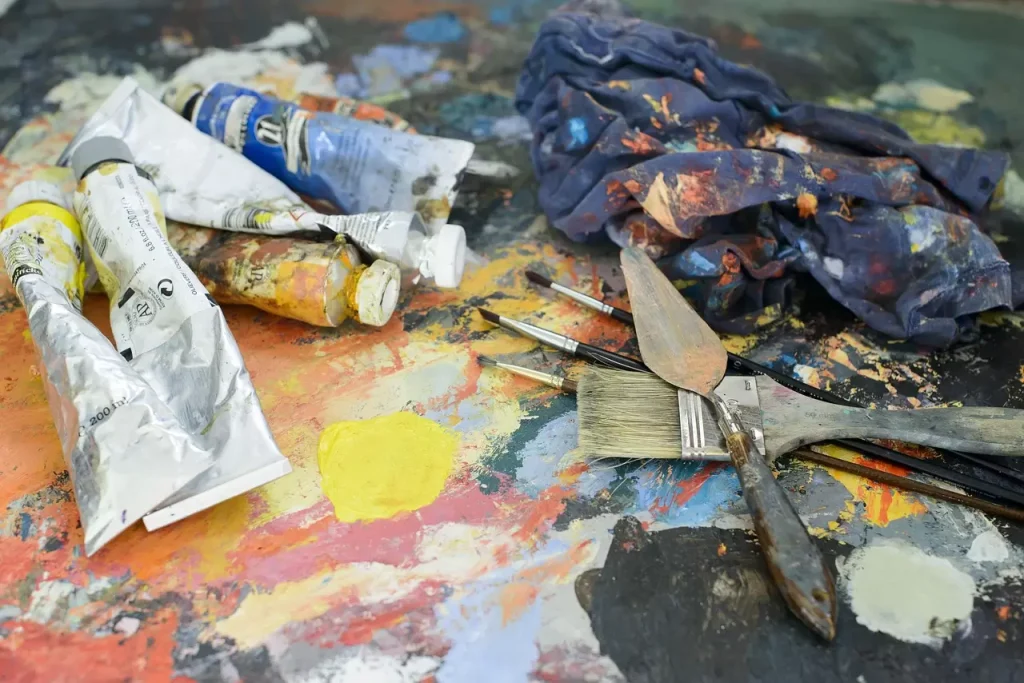
Exploring these avenues not only highlights the significance of handicrafts in modern society but also invites further inquiry into the interplay of art, commerce, and the digital age.
DISCOVER MORE: Click here to learn about the therapeutic benefits of painting
Crafting Connections: The Influences Beneath the Surface
The relationship between handicrafts and pop culture is complex, as it intertwines consumer behavior, artistic expression, and media representation. As we delve further into how these elements come together, several layers of influence emerge, reshaping both the craft landscape and the cultural zeitgeist.
The Role of Trend Cycles
Trend cycles in media are known for their rapid evolution, often leaving traditional crafts in the dust. However, the recent revival of interest in handmade items can be traced back to specific pop culture moments. For example, the popularity of TV shows that emphasize home decor and design, such as Fixer Upper and The Great British Bake Off, not only highlight creativity but also ignite an appreciation for the DIY spirit among viewers. Some trends include:
- Seasonal Crafting: Each season introduces its own craft trends, such as knitting cozy sweaters in the winter or creating floral arrangements in spring. These seasonal inspirations often correspond with popular themes in television and film, enabling artisans to capitalize on widespread enthusiasm.
- Themed Collections: Inspired by films and television characters, franchises like Harry Potter or Star Wars have prompted artisans to create themed handicrafts. This has resulted in a slew of handmade products ranging from custom wands to unique jewelry, allowing fans to express their passion through crafted items.
- Event-driven Crafts: Major events in pop culture, such as conventions and film releases, propel trends that encourage creators to develop handicrafts that cater to niche fan bases. These events serve as both a launching pad and a marketplace for creators to showcase their work.
This cycle of inspiration not only provides artists with an avenue to engage with current trends but also empowers consumers to invest in unique products that align with their identity and interests. In a culture saturated with mass production, handmade items are increasingly viewed as a form of storytelling, carrying with them the personal touch of the artist.
Community Engagement Through Crafting
The rise of community-oriented crafting initiatives is another significant factor in how media trends influence the handicrafts sector. As more people seek to find refuge from the pervasive digital environment, local craft groups and workshops are becoming havens for creativity and collaboration. Social media is instrumental in fostering these connections, encouraging enthusiasts to share their experiences and projects, while also sparking ideas for new endeavors.
Through hashtags like #handmade and #craftcommunity, individuals showcase their work, garner attention, and build networks. With a growing emphasis on community support, there has been a notable increase in events such as craft fairs and makers’ markets, which celebrate not just the final product but the stories and initiatives behind them. This shift highlights a collective desire to support local artisans, infusing their work with a sense of belonging and cultural relevance.
In conclusion, the intersection of handicrafts and pop culture is vibrant and multifaceted. Trends driven by media, individual expression, and community engagement shape how we understand and appreciate handmade items. As we continue to examine these influences, the impact on both the creative practices and cultural landscapes will reveal even deeper connections.
| Creative Practices | Influence of Media Trends |
|---|---|
| Traditional Handicrafts | Social media platforms like Instagram and Pinterest have revived interest in traditional crafts by showcasing unique handmade items. |
| Contemporary Artistry | Influencers often collaborate with artisans, elevating handicrafts to a status symbol in pop culture and driving demand. |
The intersection of handicrafts and pop culture is becoming increasingly significant in today’s creative landscape. Media trends not only enhance visibility for traditional craftsmanship but also infuse contemporary artistry with cultural relevance. For example, the evolving nature of workshops offered through online platforms enables artisans to share their knowledge globally, resulting in a fusion of techniques and ideas. Moreover, the impact of viral challenges and collaboration with fashion brands creates a wave of interest among younger generations. These initiatives can lead to an explosion of creativity that reflects the values and aesthetics of the current pop culture, allowing skilled artisans to redefine their craft in innovative ways. As cultural appreciation grows, there is also a rising demand for authenticity and quality. This shift emphasizes the exciting potential for handicrafts to gain a new level of respect and relevance in an era dominated by fast fashion and mass production. Such trends encourage a deeper exploration into the fusion of tradition with modernity within creative practices.
DISCOVER MORE: Click here for creative DIY ideas
Cultural Appropriation vs. Appreciation in Handicrafts
Another critical aspect of the interplay between handicrafts and pop culture is the ongoing conversation around cultural appropriation versus cultural appreciation. As media trends bring diverse artistic practices into mainstream consciousness, they often spark debates about the ethical implications for creators and consumers alike. This dialogue is essential as craftsmen navigate the fine line between drawing inspiration from various cultural backgrounds and unwittingly exploiting them.
Awareness and Sensitivity
Today, many artisans are mindful of their sources of inspiration, recognizing the importance of honoring traditions rather than appropriating them. For instance, Indigenous craftspeople are finding platforms to share their heritage through media channels, empowering them to educate audiences about the significance behind their techniques and materials. Social media campaigns and documentaries such as Rumble: The Indians Who Rocked the World highlight these narratives, providing visibility to creators who often remain invisible in popular culture.
Moreover, independent artists who authentically acknowledge their influences pave the way for younger generations to explore handicrafts with respect and understanding. Hashtags like #culturalappreciation serve as a rallying point for ethical crafting, where followers can learn the nuanced differences between appreciation and appropriation. In a marketplace that values authenticity, consumers are increasingly inclined to invest in products with a powerful backstory, driving demand toward handmade creations that are both culturally significant and ethically sourced.
Digital Platforms and Global Reach
As the internet continues to blur geographical boundaries, handicrafts have found new life through digital platforms. Websites like Etsy and Creative Market enable artisans to reach international markets with ease, fostering a global exchange of ideas and craft techniques. This trend highlights another compelling aspect of the relationship between pop culture and handicrafts: the influence of global celebrities on local artistry. When prominent figures—ranging from social media influencers to film stars—showcase unique handmade items, they can instantaneously elevate the visibility of niche crafts.
For instance, when high-profile figures like Kate Middleton and Oprah Winfrey don handmade accessories or support local artisans during public appearances, their endorsements can lead to a notable rise in demand. This spike isn’t only beneficial for the featured artisans; it creates an opportunity for other creators within that craft niche to enhance their visibility and sales, leading to a community uplift. In this way, celebrity culture serves as a catalyst for exploring the intricacies of handicrafts influenced by trend-driven aesthetics.
Gender and Crafting Dynamics
Gender also plays a significant role in the handicraft landscape shaped by media trends. Historically, handicrafts have been associated with femininity, often categorized under “women’s work.” However, the recent emergence of men in craft spaces challenges and reframes this narrative. Popular TV series and competitions like Making It and The Great Pottery Throw Down celebrate diverse creators, dissolving antiquated gender stereotypes. Artists, regardless of gender, are now utilizing their voices to redefine the narrative surrounding who can be a craftsperson.
Furthermore, the increasing representation of male artisans in media is contributing to greater inclusivity within the craft community as well, encouraging individuals from all backgrounds to explore their creativity. Through articles, social media posts, and engaging tutorials, contemporary storytellers emphasize art’s universal appeal, demonstrating that creativity knows no gender. This shift not only amplifies the voices of underrepresented individuals but also enriches the fabric of handicrafts across cultures.
DIVE DEEPER: Click here to discover how to turn your hobbies into successful startups
Conclusion: The Future Nexus of Handicrafts and Pop Culture
The fascinating intersection of handicrafts and pop culture illuminates a dynamic landscape where creativity flourishes and cultural dialogues unfold. As media trends continue to shape consumer perceptions and artistic inspirations, creators are tasked with navigating complex ethical considerations surrounding cultural appreciation and appropriation. The rise of digital platforms and social media has democratized access to art, empowering artisans to showcase their talents globally while driving a newfound interest in handmade goods rooted in authenticity.
Moreover, the increasing visibility of diverse artisans, regardless of gender or background, reinforces the notion that crafting knows no bounds. As highlighted by various media representations, the celebration of unique voices fosters an inclusive environment where creativity thrives and new narratives emerge. This not only sparks new interest in traditional techniques but also cultivates a deeper understanding and appreciation of the stories associated with these art forms.
In the years to come, as the dialogue between handicrafts and pop culture evolves, it is imperative for both artists and consumers to remain vigilant and informed. Engaging critically with the trends that influence creative practices will enable a culture that values respect and authenticity. This journey, one that reflects our collective histories and shared futures, encourages exploration and innovation. Whether through woven textiles, sculpted ceramics, or intricate jewelry, handicrafts will continue to intertwine with pop culture, shaping not just our aesthetic preferences but our social values as well. As such, embracing this connection offers an opportunity for all to celebrate the richness of cultural heritage while fostering creative communities that thrive on mutual respect.