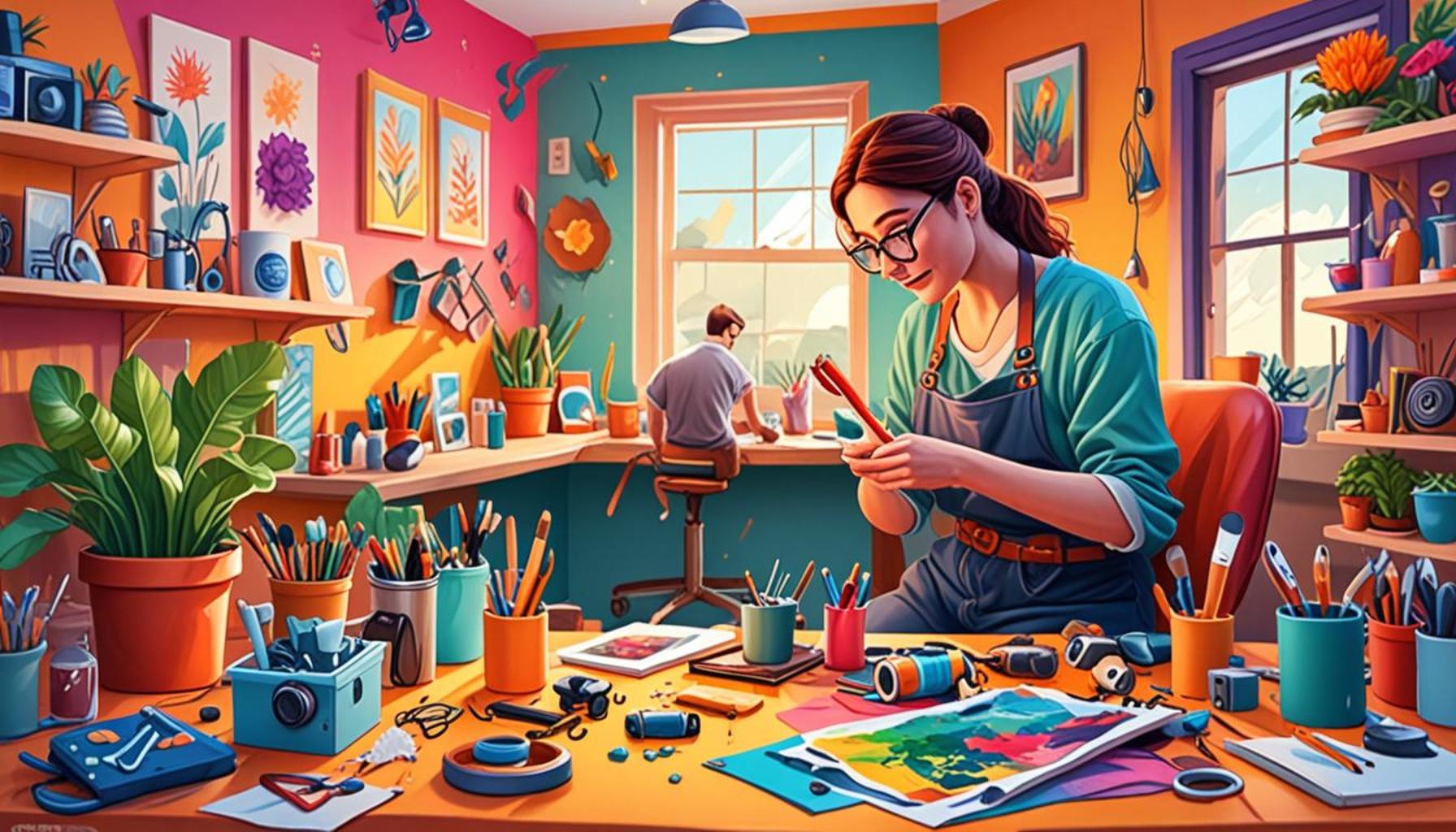
Reinventing Traditions: The Intersection of Hobbies and Contemporary Cultural Practices

The Transformation of Hobbies into Cultural Expressions
In a rapidly changing world, the act of pursuing hobbies has transformed from mere pastime to a powerful medium for cultural expression. As communities across the United States embrace diverse interests, traditional practices are being reimagined through a modern lens. Alongside the growing global interconnectivity, the way individuals engage in hobbies reflects both personal satisfaction and broader societal shifts.
Consider the following examples:
- Crafting and DIY: Handicrafts like knitting and woodworking are witnessing a revival, often infused with contemporary designs. Platforms like Instagram and Pinterest have created vibrant communities where artisans share not only their finished products but also the creative processes behind them. This fusion of old and new is evident in the resurgence of macrame, where traditional knot-tying techniques combine with modern home decor aesthetics. Furthermore, makerspaces are popping up in urban areas, inviting individuals to explore crafting as a communal activity.
- Culinary Arts: Home cooking has become an avenue for exploring global traditions, merging ethnic recipes with local ingredients. Consider how the popularity of cooking shows and food blogs encourages Americans to embrace international cuisines. For instance, a simple taco night might become an opportunity to explore authentic Mexican recipes, while also incorporating ingredients sourced from local farmers. This trend not only highlights individual creativity but also promotes cultural appreciation and understanding.
- Digital Art: Traditional painting techniques are being paired with digital tools, creating new forms of artistic expression. Artists utilize software like Procreate or Adobe Fresco to blend classic brushwork with modern technology, allowing for innovative storytelling through visual art. This shift presents an exciting intersection of accessibility and creativity, as emerging artists can showcase their works online and gain exposure without the traditional barriers to entry often found in galleries.
This convergence of hobbies and cultural practices prompts an inquiry into how these activities not only serve personal enjoyment but also act as vehicles for cultural dialogue. They reflect the values, tastes, and aspirations of contemporary society. The ramifications extend beyond individual interests, fostering mutual respect and understanding among diverse cultural backgrounds.
As we delve into this intriguing intersection, it is essential to consider how these reinventions foster community connections and shape our understanding of tradition. Local workshops and meetup groups exemplify this trend, where individuals gather not just to learn skills but to share stories and experiences. These encounters often lead to deeper relationships forged through shared passions and curiosity.
Join us as we uncover the dynamic landscape where hobbies meet modern culture, and discover how individuals are breathing new life into age-old practices. As we explore this evolution, we invite you to reflect on how your personal hobbies might contribute to the rich tapestry of cultural exchange in your community.
DISCOVER MORE: Click here to dive deeper
Cultural Significance of Hobbies in Modern Society
As we navigate through an era characterized by rapid technological advancements and shifting social norms, the act of engaging in hobbies has morphed into a vital form of cultural expression. Far from being mere distractions, these leisure activities serve as a bridge connecting individuals to their heritage while simultaneously engaging with contemporary narratives. The revival of traditional practices within this modern context has sparked a broader conversation about identity, belonging, and cultural appreciation.
One of the most profound impacts of this trend is witnessed in the realm of community building. Hobbies—once pursued in isolation—are increasingly becoming collective experiences. Here are some compelling examples illustrating this phenomenon:
- Artisan Markets: Local vendor fairs and artisan markets are vibrant hubs where skilled craftsmen showcase their traditional crafts. From pottery to handmade jewelry, these markets promote not only individual artisans but also a sense of community pride and local culture. They provide spaces where consumers can engage directly with the makers, fostering a deeper understanding of cultural practices.
- Cooking Classes: Classes focusing on traditional cuisine are gaining traction as individuals seek to connect with their roots. Cooking schools frequently offer workshops that delve into specific regional dishes, providing participants with the chance to learn about diverse culinary traditions in an immersive environment. These experiences often lead to broader discussions on cultural heritage, dietary choices, and even sustainability.
- Dance and Music Workshops: Whether it’s a local square dance or a salsa class, community centers and studios have become places for cultural interchange through movement and rhythm. These workshops not only preserve traditional dances but also invite new generations to interpret, adapt, and celebrate these forms of expression, reflecting a rich cultural exchange.
Engagement in these hobbies can serve to affirm individual and collective identities amidst a backdrop of globalization. For instance, a simple act such as crafting artisanal bread can evoke a connection to ancestral practices, leading individuals to explore their family histories while simultaneously developing skills that reflect contemporary culinary trends. The intimate nature of these hobbies allows for personal narratives to emerge, and in many instances, fosters intergenerational dialogue as younger practitioners learn from older generations.
Moreover, this transformation redefines the traditional notion of what it means to ‘be’ a culture bearers. Individuals are not just passive recipients of tradition; they become active participants and innovators, experimenting with established norms while honoring their origins. This dynamic process is essential for cultural vitality and resonance, as it ensures that traditions remain relevant and accessible to current and future generations.
As we further explore the intersection of hobbies and contemporary cultural practices, it becomes clear that these activities do more than fill leisure time; they are critical threads in the fabric of our cultural identities, enabling us to weave the past into the present and ensure that the richness of our traditions continues to thrive.
Exploring Modern Expressions of Traditional Hobbies
As society progresses, many traditional hobbies are experiencing a renaissance through contemporary cultural practices. The phenomenon of crafting, once limited to the realms of home economics and leisure activity, has evolved into a vital aspect of current culture, influencing artistry, sustainability, and even economics. Take, for instance, the resurgence of knitting and crocheting, which have transcended mere craft to become integral components of modern fashion trends. Today’s knitters are not just creating garments; they are also participating in social movements that promote local materials and ethical production. Platforms like Instagram showcase this blend of tradition and modernity, with hashtags like #KnitForChange cementing the craft’s place in contemporary society.Equally significant is the evolution of urban gardening as a response to modern challenges such as food security and environmental sustainability. Once seen purely as a hobby for the suburbanite, urban gardening is now a vital cultural practice that emphasizes community, self-sufficiency, and ecological awareness. From rooftop gardens in metropolitan areas to community gardening initiatives, these activities represent a fusion of innovative practices grounded in the age-old tradition of cultivating plants.Furthermore, the intersection of technology and traditional hobbies has birthed unique movements. DIY video tutorials enable individuals to learn complex skills, thereby fostering a new generation of artisans who are reviving old techniques through modern mediums. This synthesis of tradition with contemporary tools and platforms not only preserves cultural heritage but also redefines it, making it accessible and relevant to a younger audience.As these intertwined cultural practices gain traction, they raise important questions about identity, authenticity, and cultural heritage in a rapidly changing world. The drive to merge the old with the new opens doors to rich discussions about how we draw from the past to inform our present and future. In this vibrant intersection, the potential for innovation while honoring tradition creates a dynamic landscape ripe for exploration and discovery. To delve deeper into how these practices impact communal relationships and individual experiences, one might consider the role of workshops and classes where lost crafts are revived for the new generation. This is more than just hobby revival; it is a cultural movement of redefinition and reclaiming spaces that embody historical significance within a modern context.
The Impact of Reinventing Traditions on Community Dynamics
Communities are finding strength through their collective engagement in hobbies steeped in tradition, which invigorate local cultures and foster connections among participants. Events that celebrate traditional practices often attract diverse groups, creating an inclusive space for cultural exchange and mutual understanding. In this evolving cultural landscape, partnerships between local artisans, educators, and businesses play a pivotal role. By promoting workshops that combine traditional skills with contemporary relevance, communities can enhance local economies while reinforcing intergenerational ties. These enriching experiences not only encourage participation but also impart a deep sense of pride and ownership in local heritage.The synthesis of hobby and culture speaks volumes about our collective aspirations toward sustainability, creativity, and the preservation of heritage. Through active participation in these hybrid practices, individuals find purpose and connection in an increasingly digital and disconnected world.
DISCOVER MORE: Click here to dive into creative transformations
The Role of Technology in Modern Hobbies
In examining the intersection of hobbies and contemporary cultural practices, the influence of technology cannot be overstated. As digital tools and platforms transform our engagement with traditional activities, they create new opportunities for creativity, collaboration, and cultural exchange. The rise of social media, online forums, and streaming services has opened doors to a global audience, allowing individuals to share their passions and innovations with the world.
One notable development is the emergence of virtual workshops and online courses that cater to individuals seeking to learn traditional skills from the comfort of their homes. These platforms have democratized access to cultural knowledge, enabling anyone with an internet connection to explore everything from knitting to woodworking. Websites such as Skillshare, Udemy, and even YouTube provide users with a wealth of information, often featuring artisan instructors who draw from their deep-rooted traditions while integrating modern techniques.
- Digital Crafting Communities: Online forums and social media platforms, such as Pinterest and Instagram, have become essential spaces for crafters and artisans to showcase their work, seek inspiration, and connect with like-minded individuals. These communities thrive on the sharing of ideas and best practices, encouraging a culture of experimentation and adaptation. For example, a quilter in Ohio may inspire a textile artist in California to reinterpret traditional patterns, creating a fresh take on an age-old craft.
- Podcasts and Webinars: The rise of podcasts has provided a unique medium for cultural storytelling, where enthusiasts can dive deep into the history and significance of various hobbies. Many creators produce episodes dedicated to traditional practices, offering insights into their personal journeys and the evolution of the crafts. This auditory experience fosters a sense of intimacy and connection, bridging geographical divides while reinforcing cultural ties.
- E-commerce Platforms: The growth of platforms like Etsy and Shopify has made it easier for artisans to sell handmade goods while sharing the stories behind their creations. This not only supports local economies but also encourages a greater appreciation for the labor and artistry embedded in traditional crafts. Shopping becomes an act of cultural engagement, where consumers are empowered to make choices that align with their values, such as sustainability and heritage preservation.
Furthermore, technology facilitates the intergenerational transmission of knowledge—a crucial aspect of cultural preservation. Digital storytelling tools, such as mobile apps that allow families to document and share their recipes, crafts, or folklore, strengthen connections between elders and younger generations. This trend ensures that important practices are not lost but instead evolve as they are retold and reinterpreted across digital platforms.
As we witness the fusion of tradition and technology, the notion of cultural authorship also broadens. Individuals are now not only preserving traditions but also adapting and personalizing them according to their own experiences, creating a vibrant tapestry of cultural narratives that reflect contemporary values and realities. The interplay of hobbies with modern technology encourages a recalibration of how we view cultural practices, blurring the lines between the past and the present and enhancing our understanding of what it means to engage in a particular tradition.
DISCOVER MORE: Click here to learn about the healing power of art
Conclusion: A New Chapter in Cultural Evolution
The journey through the intersection of hobbies and contemporary cultural practices reveals a dynamic landscape where tradition meets innovation. As technology reshapes our engagement with cultural expressions, we find ourselves in a remarkable moment where the past can be preserved, adapted, and even transformed into something entirely new. The emergence of digital platforms, enriching communities, and accessible resources empowers individuals to participate in a global tapestry of creativity, ensuring that no skill or tradition remains isolated.
Moreover, the synergy between technology and tradition enables a unique form of cultural storytelling that transcends geographical and generational divides. By sharing their hobbies online, individuals foster connections that revive not only old techniques but also the stories and meanings behind them. As these narratives are exchanged, they invite us to reevaluate our identities and the roles our hobbies play in shaping the cultural fabric of society.
As we move forward, it becomes essential to recognize that reinventing traditions is not merely about the hobbies we pursue but about nurturing a shared understanding and appreciation of our cultural heritage. Whether it’s through crafting, culinary arts, or any other practice, each act can contribute to a more inclusive and enriched cultural dialogue. Thus, we stand at the threshold of a vibrant cultural evolution—a reminder that traditions, in their essence, are living entities meant to grow and thrive alongside us.
In exploring these new frontiers, we encourage readers to delve deeper into their hobbies, connect with their communities, and engage in the enriching experiences that contemporary cultural practices offer. The journey may well reveal not only the craftsmanship of the past but also the profound connections that unite us all in our shared humanity.