Sustainable DIY: Creating Crafts with Recycled Materials for a Better World
Innovative Ways to Utilize Recycled Materials
As the environmental landscape becomes increasingly alarming, individuals are searching for impactful methods to make a difference. One of the most effective approaches is engaging in sustainable DIY projects, which not only help mitigate waste but also ignite the creative spark within us. These projects provide a unique opportunity to repurpose everyday items—turning potential trash into treasure—while also fostering a spirit of community and collaboration.
Consider, for example, the myriad possibilities that arise from simple, commonly discarded materials. Transforming old glass jars can yield stylish storage solutions for kitchens or home offices. With a few coats of paint or creative embellishments, these jars can house anything from pantry staples like flour and sugar to craft supplies, serving both functional and aesthetic purposes. Similarly, discarded cardboard boxes can be transformed into eye-catching home decor pieces—think wall art, stylish organizers, or even playhouses for kids. The process not only reduces the demand for new materials but also allows for bespoke design that truly reflects individual tastes.
The Fabric of Creativity
When it comes to fabric scraps, the opportunities for innovation are equally exciting. Instead of tossing out leftover materials from past projects, individuals can sew trendy tote bags, beautifying their trips to the grocery store while simultaneously promoting a shift away from single-use plastic bags. This sustainable choice not only supports eco-friendly shopping but also provides a creative outlet that develops sewing skills, often leading to unique, one-of-a-kind creations.
Engaging in these sustainable crafts offers several benefits:
- It enhances your home’s aesthetic with personalized items that convey a sense of style.
- It provides an excellent platform for developing new skills, whether in sewing, painting, or design.
- Perhaps most importantly, it encourages environmentally mindful habits, raising awareness about waste and sustainability within your daily life.
As you explore these creative avenues, you’ll find that your projects serve not only as a means of self-expression but also as catalysts for change. Each unique, handmade item can inspire others, setting off a chain reaction within your community that encourages more sustainable practices. By sharing your creations or even inviting friends over for crafting sessions, you contribute to building a collective conscience focused on a greener, more sustainable future.
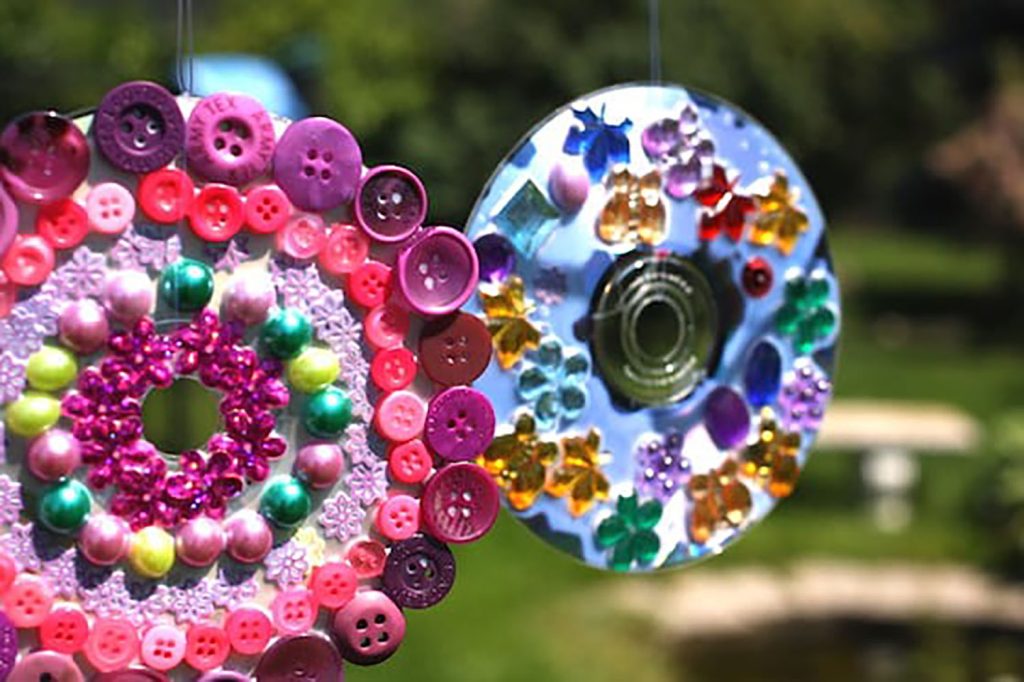
Ultimately, embracing creativity through sustainable DIY projects is not just about reducing waste—it’s about fostering a lifestyle that honors our planet, nurtures artistic expression, and builds community. So gather those materials and let your imagination run wild; every small step toward sustainability counts!
DIVE DEEPER: Click here to uncover the secrets of creative writing
Reimaging Household Items: Everyday Wonders
The beauty of sustainable DIY lies in its ability to breathe new life into items that once seemed destined for the trash. Everyday household items can be reimagined in countless ways, turning waste into practical and often stunning crafts. Among the simplest materials to repurpose are plastic bottles, which can become everything from garden planters to unique lampshades. A little creativity can transform a used two-liter soda bottle into an eye-catching vertical garden that not only looks beautiful but also encourages urban gardening and food sustainability.
Moreover, old newspapers and magazines are perfect candidates for innovative DIY projects. Instead of allowing them to accumulate in recycling bins, why not create beautiful, handmade paper beads for jewelry or decorative garlands? The process involves cutting them into strips, rolling them up, and sealing them with glue. This simple technique can yield unique pieces of art that tell a story. In fact, with some practice, you can create not only jewelry but also decorative items like wall art or picture frames—each piece a conversation starter that reflects a commitment to sustainability.
Exploring Wood and Metal: From Scraps to Treasures
Wooden pallets and leftover pieces from furniture projects are another talented medium for sustainable crafting. With the right tools and a little ingenuity, these materials can be transformed into functional and aesthetic designs, such as rustic coffee tables or charming outdoor furniture. The concept of upcycling—repurposing old wood into new creations—promotes both creativity and resourcefulness, encouraging people to think outside the box when it comes to their furniture needs.
Metal scraps, often overlooked, can also serve as a terrific foundation for sustainable crafts. Items like old cans or lids can be sculpted into beautiful garden art, whimsical wind chimes, or even custom candle holders. Engaging in these types of projects not only helps reduce landfill waste but also supports local DIY communities that share ideas and inspire collaboration. In fact, various community workshops—frequently hosted in urban centers—focus on transforming metals and other materials into eye-catching crafts, cultivating a culture of sustainability.
Participating in sustainable DIY projects has far-reaching benefits:
- It reduces landfill waste and alleviates environmental strain by giving materials a second life.
- It fosters creativity, allowing individuals to express themselves through unique designs and personal touches.
- It creates opportunities for education regarding sustainability, prompting deeper discussions about responsible consumption and environmental stewardship.
- It strengthens community bonds as participants can gather, share tips, and showcase their creations.
In exploring these innovative ideas, you’ll quickly discover that engaging in sustainable crafts goes beyond personal satisfaction. Each project represents a small yet significant step toward a better world, offering a chance to connect with others who share a passion for environmental consciousness and creative expression. So gather those materials and let your imagination soar—your next masterpiece is only a project away!
| Advantages | Description |
|---|---|
| Environmental Impact | By using recycled materials, DIY projects help reduce waste and conserve natural resources. |
| Cost-Effective | Crafting with recycleables can significantly lower expenses, allowing for creativity without financial strain. |
| Community Engagement | These projects foster collaboration, encouraging local communities to come together for sustainability efforts. |
| Creative Expression | Using recycled materials sparks innovation and unique designs, showcasing personal styles in crafting. |
The theme of “Sustainable DIY: Creating Crafts with Recycled Materials for a Better World” is immensely relevant in today’s world where environmental concerns grow stronger each day. Every craft project offers an opportunity to use our creativity while promoting sustainability. The movement is not just about making beautiful items; it’s about raising awareness of the impact of our consumption and waste. Engaging in these DIY activities allows individuals to feel empowered, as they make tangible changes that contribute to a healthier planet. The materials might include anything from old newspapers and plastic bottles to fabric scraps and cardboard. Each item can be repurposed into something valuable and functional. The beauty of this approach lies in the ability to connect people through shared values of sustainability while exploring the artistic side of reusing. Moreover, digital platforms and social media have amplified these efforts, enabling enthusiasts to share ideas and inspire others to participate in the movement. So why not explore the endless possibilities of your creativity while making a positive impact on the world around you?
DISCOVER MORE: Click here to delve into the role of art in therapy
Textiles and Fabrics: Weaving New Stories
Another intriguing realm of sustainable DIY lies within textiles and fabrics. With countless garments discarded every year—estimated to be around 11 million tons in the United States alone—repurposing old clothing and fabric scraps into new creations has become an essential aspect of sustainable crafting. For instance, worn-out t-shirts can be transformed into fashionable tote bags or even plush rugs. The simplicity of these projects encourages individuals to embrace their creativity while actively participating in reducing textile waste.
Patchwork quilting, a traditional craft, also takes on renewed significance in the sustainable DIY landscape. By collecting pieces of fabric that may seem small or insignificant, individuals can create stunning quilts that not only keep them warm but also represent a tapestry of memories and sustainable choices. As a bonus, quilting can foster community; many quilting circles host gatherings where ideas are exchanged and new friendships are forged—all through the art of repurposing textiles.
Paper and Cardboard: The Crafting Canvas
Paper and cardboard are perhaps some of the most versatile materials for DIY enthusiasts. Cardboard boxes are often discarded after their contents have been removed; however, they can easily be transformed into creative storage solutions, children’s toys, or even decorative sculptures. An engaging project could include creating a sturdy playhouse for children or utilizing toilet paper rolls to create decorative wall art. The possibilities are extensive and limited only by one’s imagination.
Did you know that handmade paper from recycled materials is not only eco-friendly but also provides a unique texture and aesthetic appeal? By blending old newspapers or scrap paper with water, individuals can create their own sheets of paper that can then be used for various artistic projects. This approach not only reduces waste but also enriches the craft-making experience, allowing individuals to customize colors and textures according to their preferences.
Glass: A Clear Opportunity for Creativity
Glass jars and bottles, though often overlooked, offer immense potential for sustainable crafting. Whether it’s Mason jars or empty wine bottles, these containers can be repurposed into charming candle holders, storage containers, or even terrariums. An inspiring trend within this domain is the use of glass painting to revitalize these items. With the right paints, glass can become a canvas for stunning art—each piece personal and functional. This method not only lets crafters express themselves but also highlights the importance of eliminating single-use items in favor of reusable options.
Incorporating glass into sustainable crafts is more than just aesthetic; it carries environmental benefits. Research suggests that recycling glass conserves energy, with recycled glass requiring up to 40% less energy than creating new glass from raw materials. Thus, each glass craft not only serves a practical purpose but also reduces the carbon footprint associated with glass production.
As you dive deeper into the world of sustainable DIY, consider exploring the endless opportunities available through textiles, paper, cardboard, and glass. By engaging in these projects, you will not only craft beautiful items but also educate others about the importance of reusing and recycling. In this journey, creativity meets responsibility—creating a brighter future for our planet through the passion for crafting and sustainability.
DIVE DEEPER: Click here to discover transformative DIY projects
Conclusion: Crafting for Tomorrow
In the journey toward a sustainable future, DIY projects that utilize recycled materials stand out as a compelling way for individuals to contribute to the well-being of our planet. By transforming textiles, paper, cardboard, and glass into creative expressions, we not only reduce waste but also inspire a culture of innovation and sustainability within our communities. Each homemade item reflects a commitment to making responsible choices—demonstrating that creativity can flourish even within constraints.
The potential of sustainable crafting goes beyond mere aesthetics; it embodies a philosophy that encourages resourcefulness and environmental stewardship. By repurposing materials that would otherwise contribute to landfill overflow, we cultivate a mindset geared toward sustainability. Additionally, these projects offer engaging activities that can be shared with family and friends, fostering connections and community spirit.
As you consider embarking on your own sustainable DIY adventures, take the time to explore the depths of your creativity and the materials available to you. Seek out local workshops, online tutorials, or local crafting circles to get started. Embrace the notion that every small effort contributes to a greater good. As crafting becomes a conscious choice, not only will unique and beautiful creations emerge, but a more harmonious relationship with our environment will also develop.
Crafting with recycled materials promises both personal satisfaction and a critical step towards preserving our planet for future generations. Together, we can weave a fabric of sustainability that not only enhances our lives today but also ensures a thriving world for tomorrow.