The Importance of Art in Therapy: How Artistic Pursuits Can Improve Mental Health
Understanding the Therapeutic Benefits of Art
The exploration of art and therapy reveals a captivating intersection where creativity meets emotional healing. In today’s fast-paced world, mental health issues are more prevalent than ever, sparking a growing recognition of the potential that artistic endeavors hold. Clinicians and therapists are increasingly adopting these creative techniques, seeing them not merely as recreational activities but as profound tools for emotional expression and recovery.
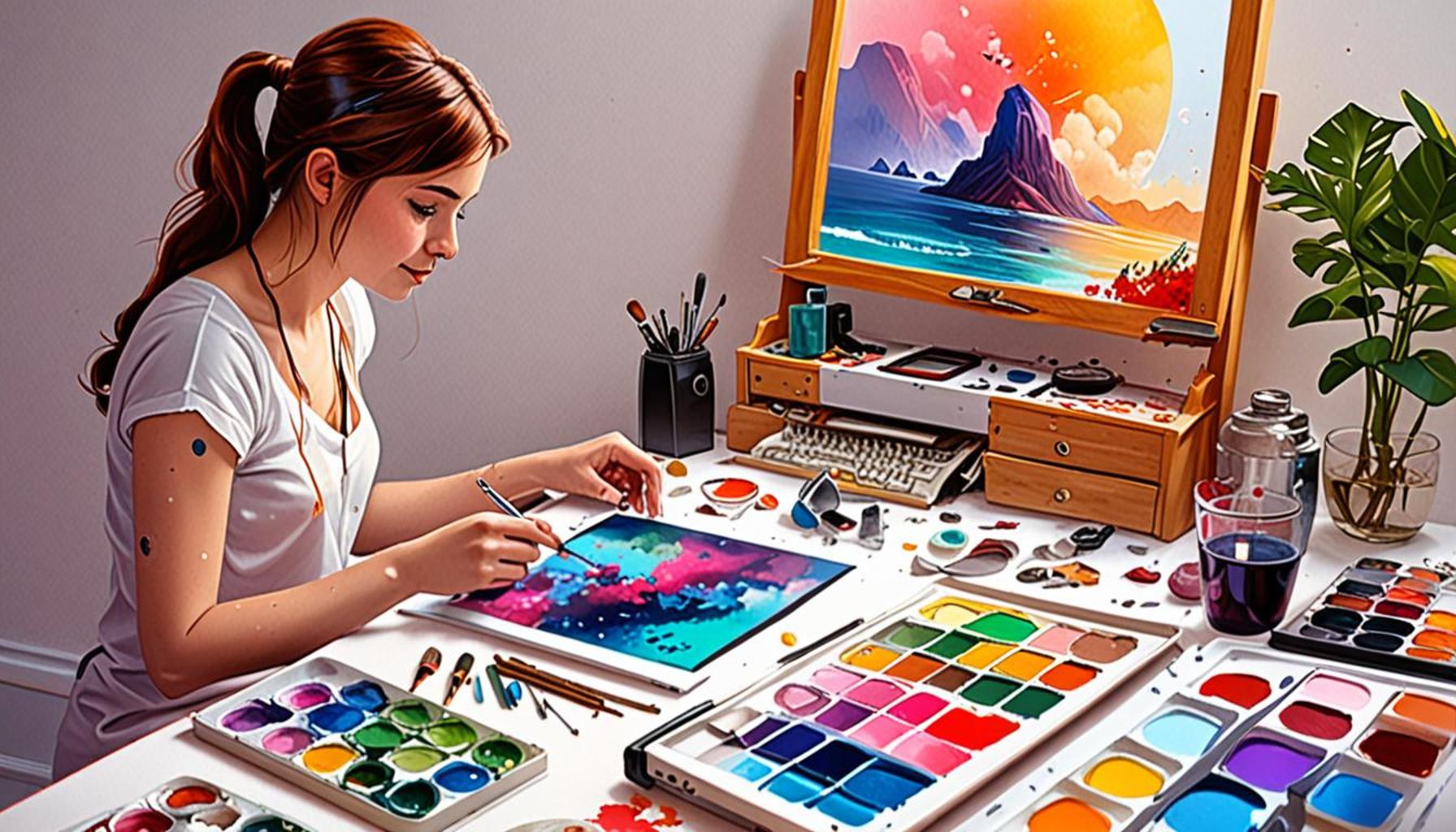
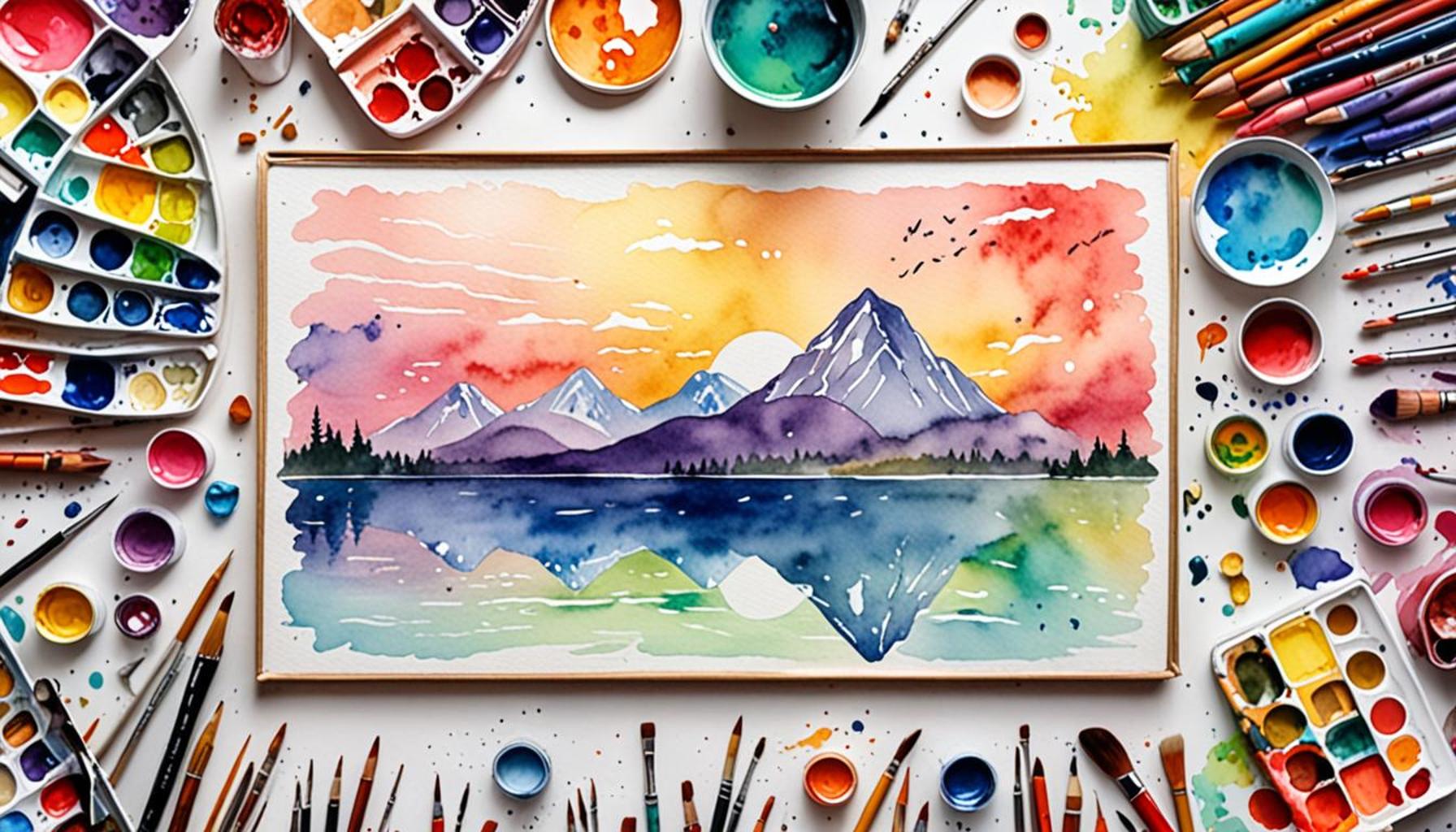
Art therapy encompasses a multitude of forms, each offering unique benefits. For instance, painting allows individuals to create visual representations of their feelings, often unveiling emotions that might be difficult to articulate verbally. This form of expression can range from abstract art to detailed landscapes, letting the individual convey their state of mind through color and form.
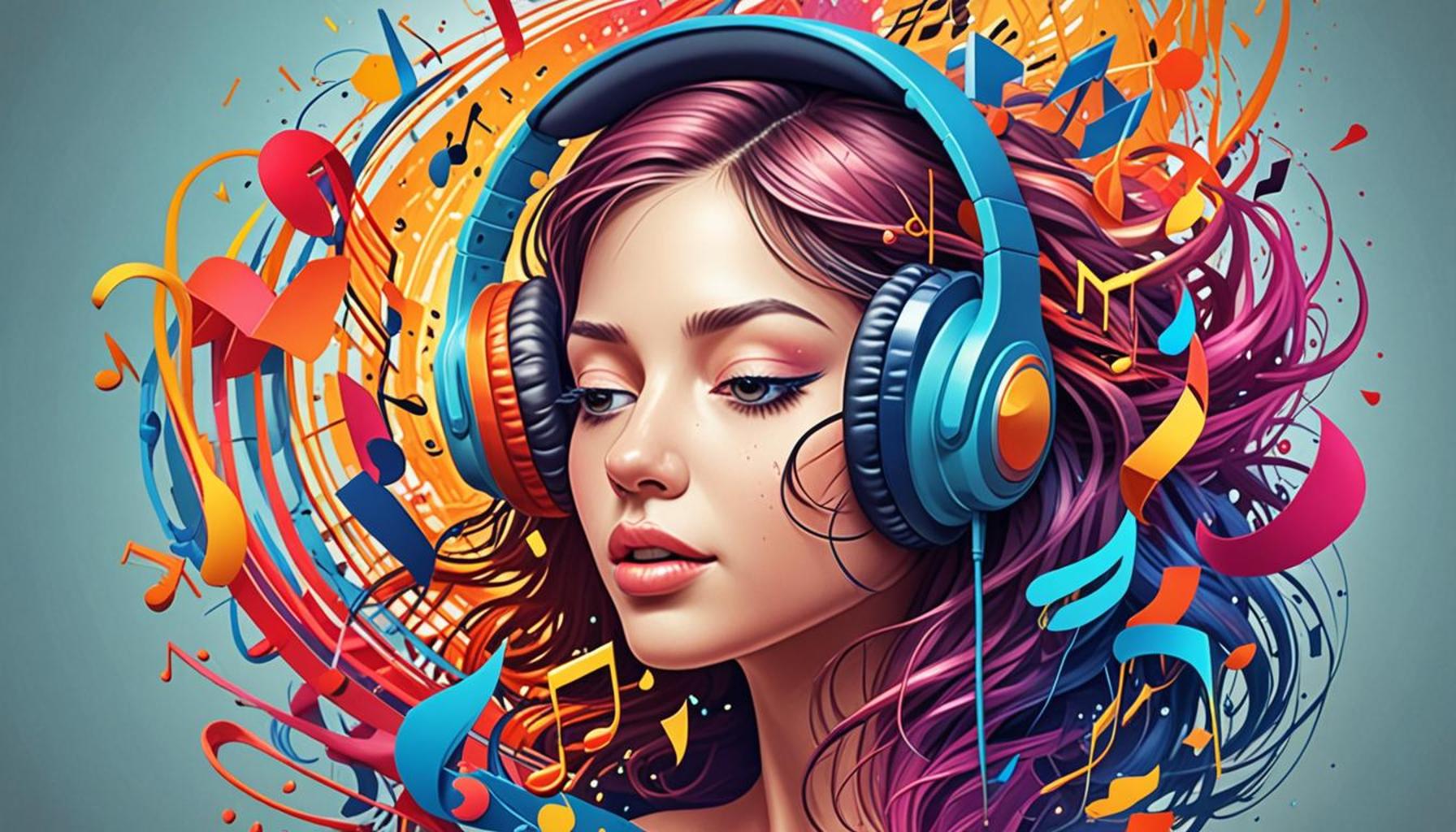
Music therapy plays an equally significant role, with studies showing that engaging with music can enhance mood and facilitate emotional release. Whether through listening, songwriting, or playing an instrument, music invites a connection to feelings and memories that can facilitate healing and personal insight. For example, many find comfort in songwriting as a way to narrate their experiences, providing both catharsis and understanding.
Meanwhile, dancing offers a dynamic physical outlet that promotes not only emotional expression but also boosts physical well-being. Through movement, participants can release pent-up emotions, encouraging a sense of liberation and joy. Dance therapy often welcomes all skill levels, allowing people to engage in a liberating experience devoid of judgment.
Writing serves as another powerful method in the therapeutic realm. Journaling or composing poetry can help individuals articulate and process complex emotions. This written narrative fosters reflection, helping to enhance self-awareness and emotional intelligence. Many therapists encourage clients to document their thoughts and feelings, which can serve as a historical record of their journey toward healing.
Research increasingly supports these approaches, with findings indicating that engaging in artistic activities can lead to significant benefits, including:
- Reducing symptoms of anxiety and depression: Various studies have shown that creative expression can alleviate stress and enhance overall mental well-being.
- Improving cognitive functions: Engaging with art stimulates mental processes, enhancing problem-solving and critical thinking skills.
- Building self-esteem and resilience: Creating art can foster a sense of accomplishment and identity, which is crucial in overcoming psychological challenges.
As the mental health landscape evolves, understanding the importance of art in therapeutic practices is crucial. It not only offers therapeutic benefits but also encourages individuals to explore unfamiliar methods of coping. The ability of art to connect individuals to their deepest emotions and promote overall emotional health is invaluable. By embracing these creative practices, people can discover new avenues for healing that resonate with their unique experiences, making art not just an expression but a lifeline in their mental health journey.
DISCOVER MORE: Click here for deeper insights
Exploring Different Artistic Modalities and Their Healing Power
Artistic expression, in its myriad forms, offers a unique pathway to healing that transcends the boundaries of traditional therapeutic practices. Each artistic modality carries distinct characteristics while collectively serving to improve mental health. By exploring these different forms of art, individuals can discover which resonates most deeply with their personal experiences and emotional needs.
Visual arts, including drawing, painting, and sculpture, enable individuals to externalize their internal struggles. The tactile nature of creating art provides a sensory experience that can be grounding. For many, the act of putting brush to canvas acts as a visual diary, capturing moments of joy, pain, and everything in between. A study conducted by the American Art Therapy Association found that participants engaging in art-making reported reduced levels of anxiety and improved mood, highlighting the connection between visual creativity and emotional health.
Drama and theater therapy also play vital roles in emotional healing. By engaging with scripts or improvisational exercises, individuals can explore complex emotional scenarios in a safe environment. This theatrical approach not only fosters empathy but also serves as a rehearsal for real-life situations, empowering participants to navigate their feelings more effectively. Role-playing can lead to breakthroughs in understanding personal relationships and societal pressures that may contribute to mental distress.
Digital media is emerging as a modern tool in art therapy, allowing individuals to create art through technological means. From graphic design to digital storytelling, these contemporary platforms engage younger generations who might feel more comfortable expressing themselves in a digital landscape. Web-based communities can also provide additional support, as artists share their works and experiences with others, fostering connection and a sense of belonging.
Crafting materials such as clay, textiles, or even paper can also serve therapeutic purposes. The physical act of manipulating materials is not only enjoyable but also meditative, encouraging mindfulness as individuals focus on the tactile sensations involved in creating. Engaging in crafting can help individuals build a sense of accomplishment, particularly for those struggling with self-worth and motivation.
The benefits of artistic pursuits go beyond personal expression. Numerous studies continue to affirm that art therapy can lead to:
- Enhanced emotional regulation: Engaging in artistic activities can help individuals learn to manage their emotions in a healthy way.
- Decreased feelings of isolation: Collaborative projects or group-based art sessions create bonds among participants, fostering a sense of community.
- Increased self-reflection: Artistic activities compel individuals to examine their thoughts and feelings, promoting deeper self-awareness.
As mental health practitioners increasingly integrate art into therapeutic practices, it becomes clear that these creative outlets provide not only a method of self-exploration but also a framework for healing. Within the context of therapy, art evolves from a mere pastime into a powerful, lifegiving experience that shapes an individual’s mental wellness journey.
The Role of Creativity in Healing
Artistic pursuits can serve as a powerful mode of expression, allowing individuals to articulate thoughts and feelings that might be difficult to communicate verbally. This is particularly vital in therapeutic settings where clients may struggle with trauma, anxiety, or depression. When clients engage in creative processes, they not only find a voice but also establish a safe environment for emotional exploration. Moreover, therapy can incorporate various forms of art, including painting, sculpture, music, or dance, emphasizing the notion that there is no “right” way to express oneself. This freedom fosters a sense of empowerment and encourages individuals to take risks, contributing to their personal growth. The act of creation often leads to improved self-esteem, as individuals witness their own progress and capabilities in a tangible form.Practitioners of art therapy emphasize that the process of creation is as important as the finished product. Participants are encouraged to lose themselves in their artistic endeavors, providing a necessary distraction from negative thoughts and stressors. Engaging in creative activities can trigger the release of dopamine, a key neurotransmitter associated with pleasure and reward, thereby enhancing mood and cognitive function.
Research Supporting Art Therapy
Numerous studies have shown the benefits of integrating art into therapeutic practices. For instance, research conducted by the American Art Therapy Association indicates that clients who participate in art therapy experience a significant decrease in anxiety symptoms. Additionally, engaging in art has been linked to lower cortisol levels, the hormone associated with stress. Such findings highlight how structured artistic engagement can not only manage but also mitigate mental health challenges.By encompassing various forms of artistic expression, therapeutic practices also cater to diverse preferences, making it accessible for a wider range of individuals. Whether through visual arts, music, or performing arts, the versatility of art in therapy ensures that it resonates uniquely with each participant, further enhancing its effectiveness. As we delve deeper into the diverse aspects and mechanisms of art therapy, it becomes increasingly clear that artistic pursuits offer a refreshing avenue for individuals seeking to improve their mental well-being. This innovative approach not only promotes healing but also fosters resilience, self-awareness, and emotional growth.
| Category | Key Aspects |
|---|---|
| Emotional Expression | Art provides a medium for expressing complex emotions safely. |
| Self-Esteem Boost | Creating art helps individuals realize their capabilities. |
| Stress Relief | Art activities lower cortisol levels, helping manage stress. |
| Cognitive Improvement | Engagement in art stimulates brain activity and boosts problem-solving skills. |
DISCOVER MORE: Click here to find out how music can enhance your life
The Role of Art in Building Resilience and Connection
Art therapy serves as a vital mechanism not only for personal expression but also for fostering resilience and social connection among individuals undergoing emotional challenges. By harnessing the therapeutic power of creativity, participants can cultivate skills that prepare them to face life’s adversities.
Music therapy stands out as an impactful form of artistic expression that can assist individuals in processing complex emotions. This modality encourages healing through both the creation and appreciation of music. Writing songs, playing instruments, or even listening to music can enable individuals to express feelings that may be difficult to articulate verbally. Numerous studies have documented that music therapy significantly reduces symptoms of anxiety and depression, providing solace to those navigating tumultuous times. Moreover, communal music-making experiences can enhance feelings of connection and belonging, as participants bond over shared rhythms and melodies.
Movement-based therapies, such as dance and expressive movement therapy, also contribute to mental well-being. These practices harness the body’s kinetic energy to facilitate emotional release and exploration. By bridging the gap between physical movement and emotional expression, individuals can confront and release pent-up feelings. Research has shown that participants in dance therapy often report lower stress levels and enhanced body awareness, leading to improved self-acceptance and self-esteem. The embodied experience of movement can be particularly beneficial for those who struggle with verbal communication, allowing them to connect with their emotions on a visceral level.
Artistic pursuits often intertwine with mindfulness practices, enhancing their therapeutic impact. When individuals engage in activities such as mindful coloring or painting, they can enter a state of flow, where time seems to dissolve, and worries fade away. This phenomenon can offer temporary reprieve from anxiety and help individuals cultivate a sense of peace and presence. A study from the University of California, Berkeley highlighted that participants who practiced mindfulness through art reported improvements in emotional clarity and a decrease in negative thought patterns, allowing for greater emotional resilience in daily life.
Community art projects demonstrate the profound impact of collective creativity. Programs that invite community members to collaborate on art installations or murals can create a sense of purpose and shared identity, especially in areas facing socioeconomic difficulties. Engaging in these communal endeavors not only allows for personal expression but also ignites dialogue around social issues, fostering understanding and empathy among diverse populations. According to a report by the National Endowment for the Arts, community-based art initiatives lead to improved quality of life and enhance social cohesion, validating the therapeutic role that art can play in community health.
In the realm of art therapy, the importance of a safe and nurturing environment cannot be overstated. In many cases, therapists create spaces that allow individuals to experiment freely with their creativity without fear of judgment, paving the way for healing. Far beyond mere distraction, artistic pursuits become a vital component of recovery, offering both a sanctuary for exploration and the tools to build resilience in the face of life’s challenges.
DISCOVER MORE: Click here to enhance your understanding
Conclusion: Embracing Art for Mental Wellness
In conclusion, the role of art in therapy is both profound and multifaceted, showcasing its significance as a powerful tool for improving mental health. The integration of music therapy, movement-based therapies, and mindful artistic activities serves to enhance emotional resilience and social connection, creating a supportive environment for healing. Each artistic pursuit not only provides a medium for expression but also facilitates an essential dialogue with one’s emotions, thereby enabling individuals to process their feelings in a constructive manner.
Moreover, community involvement through collaborative art projects fosters a sense of belonging and shared identity, which is particularly crucial in today’s fragmented society. As we continue to navigate the complexities of mental health in the United States, the call for accessible and inclusive art programs grows louder. Engaging in artistic endeavors can empower individuals to tap into their creativity while reinforcing vital connections with others, ultimately leading to improved well-being.
As we explore the intersection of art and mental health further, it is essential for healthcare professionals, educators, and communities to recognize and advocate for the therapeutic benefits of creative expression. Incorporating art into therapeutic practices not only offers a refuge from emotional turmoil but also builds resilience, helping individuals emerge stronger and more connected. For anyone seeking to enhance their mental wellness, investing time in the arts presents an intriguing pathway worth exploring.