
The Renaissance of Traditional Crafts: Preserving Ancestral Techniques in a Modern World
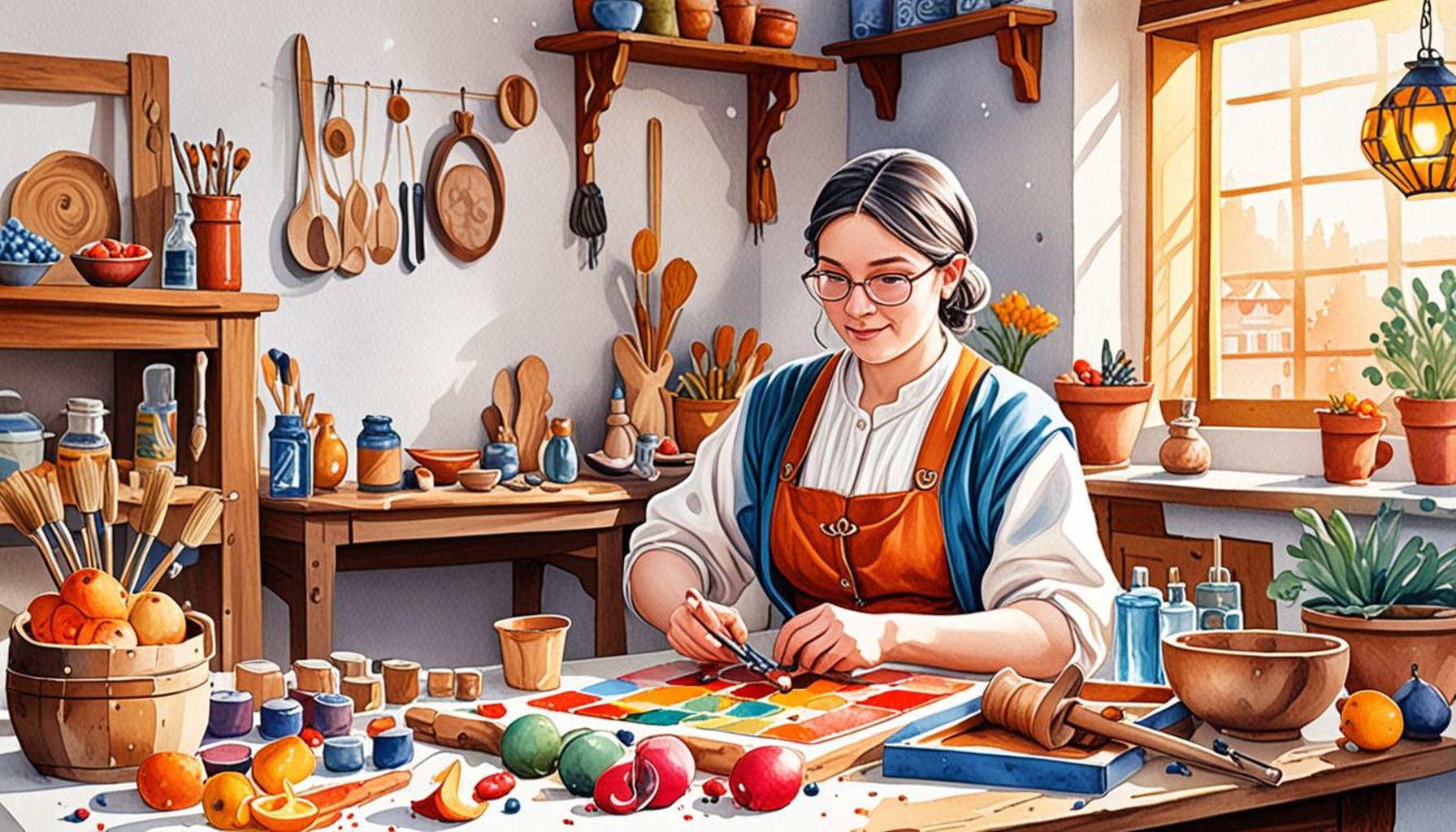
Resurgence of Traditional Crafts
In recent years, a remarkable resurgence of interest in traditional crafts has emerged across the globe, showcasing an authentic response to our rapidly industrialized and digitalized world. As modern society becomes increasingly dominated by mass production, many individuals are seeking a return to artisanal techniques that embody the rich heritage of their cultures. This renaissance of traditional crafts encapsulates a desire for not just authenticity but also for a deeper connection to local culture, history, and community.
Several notable trends illustrate this shift:
- Revival of Handicrafts: Traditional crafts, such as pottery, weaving, and woodworking, are experiencing a significant resurgence. For instance, community pottery workshops are flourishing, with participants of all ages exploring the tactile joy of molding clay into functional art. Local fairs often feature handcrafted items that tell stories of their makers, emphasizing the cultural significance behind each piece.
- Support for Local Artisans: A growing number of consumers are choosing to support small, local businesses that prioritize traditional methods over the impersonal nature of industrialized processes. Farmers’ markets and craft fairs have become hotbeds for artisanal products, where visitors can purchase everything from handwoven textiles to artisan cheeses, directly promoting the sustainability of local economies while enjoying unique and authentic offerings.
- Workshops and Courses: The increasing number of workshops teaching skills such as blacksmithing, basket weaving, and even traditional quilting has captivated many. This hands-on approach not only nurtures the appreciation for these crafts but also fosters community among participants. For example, organizations like the American Craft Council host events that allow individuals to learn from seasoned artisans, creating a bridge between generations.
This movement is not merely a nostalgic craving; it puts a spotlight on sustainability and mindfulness in a culture often marked by disposability. By embracing these ancestral techniques, individuals are making a statement against the fast-paced consumption patterns prevalent in contemporary life. The intricate beauty and functional utility of traditional crafts ignite a growing community eager to maintain and preserve these unique artistic expressions for future generations.
As more people engage with traditional crafts, this revival encourages a dialogue about identity, craftsmanship, and sustainability—elements that are seeing a renaissance in the modern age. This shift not only celebrates the skills of artisans but also revitalizes cultural narratives that connect us to our past and enrich our present.
DISCOVER MORE: Click here to dive into the world of DIY creativity

Understanding the Cultural Significance of Traditional Crafts
The revival of traditional crafts represents more than a mere aesthetic preference; it is rooted deeply in cultural identity and the preservation of history. Across the United States, many states are showcasing their unique craft heritage, allowing artisans to share their narratives and techniques with a broader audience. From the intricate beadwork of Native American artisans to the art of basket weaving in the Appalachian region, traditional crafts serve as a way to maintain and communicate cultural values that may be at risk of fading away in today’s fast-paced world.
Moreover, the techniques associated with these crafts are often passed down through generations, embodying a rich tapestry of knowledge. Some key elements underscore the importance of this cultural preservation:
- Historical Narratives: Traditional crafts capture stories of people’s lives, their struggles, and their triumphs. For instance, quilt-making in the American South has historically been a communal activity among women, representing resilience and creativity in the face of adversity.
- Personal Connection: Many individuals find meaning in engaging with traditional crafts, often seeing them as a way to connect with their roots. Artisans who craft pottery, for example, often use techniques and designs that reflect their heritage, creating pieces that resonate on a personal level with both the creator and the consumer.
- Educational Value: The act of learning traditional crafts can impart valuable life skills such as patience, attention to detail, and self-expression. Many local communities and craft organizations emphasize programs for schools, where children can learn skills like woodworking or embroidery, fostering a respect for craftsmanship from a young age.
- Intergenerational Bonds: Learning traditional crafts often involves mentorship, where older artisans pass on techniques to younger generations. This not only safeguards the techniques themselves but also strengthens community bonds, as stories and values are shared along with the skills.
The surge in traditional crafts has also sparked a movement towards environmentally responsible practices. Many artisans prioritize sustainable materials over mass-produced alternatives, showcasing a commitment to both heritage and environmental stewardship. For example, eco-conscious woodworkers utilize reclaimed timber, giving new life to materials that might otherwise be discarded and reducing their environmental footprint.
As individuals engage with traditional crafts, they not only enrich their own lives but contribute to a larger narrative that values heritage, identity, and sustainability. The act of creating becomes an act of preserving, allowing ancient techniques to thrive amidst modern demands. This fusion of old and new elevates traditional crafts beyond simple hobbies, transforming them into vital expressions of identity and community resilience.
In today’s fast-paced digital age, the resurgence of traditional crafts represents a harmonious blending of heritage and modernity. Craftsmanship once thought to be fading into obscurity is being reinvigorated by artisans and enthusiasts who recognize the profound value of ancestral techniques. As we delve deeper into this renaissance, numerous examples come to light showcasing various crafts—from pottery to weaving—that are not only being preserved but also adapted to contemporary contexts.One of the most striking aspects of this movement is the emphasis on sustainability. Many artisans are turning to locally sourced materials and eco-friendly practices, reflecting a growing consumer demand for responsible and ethical production. For instance, artisans in the textile industry are reviving age-old dyeing techniques that utilize natural ingredients such as plants and minerals, reducing harmful chemical waste and promoting biodiversity. This informs consumers about the origins of their purchases, creating a richer and more meaningful connection to the products they choose.Moreover, the revival of traditional crafts serves as a platform for social and economic empowerment. Artisans, particularly those from marginalized communities, are finding new avenues for income through the resurgence of interest in handcrafted goods. This not only aids in preserving cultural identity but also enhances community development by fostering a sense of pride and ownership in local heritage.The role of technology in this renaissance cannot be overlooked either. Many artisans are harnessing digital platforms to showcase and sell their crafts globally, expanding their reach far beyond local markets. This creates opportunities for cross-cultural exchange and collaboration, elevating the visibility of traditional crafts on the world stage.Furthermore, educational initiatives aimed at younger generations are crucial in ensuring the longevity of these techniques. Workshops and courses offered in various communities are inspiring youth to engage with their cultural heritage, sparking creativity and innovation. By intertwining traditional skills with new artistic expressions, younger artisans are contributing to a dynamic evolution of craft traditions, ensuring they remain relevant in today’s globalized economy.As we witness this renaissance, it is clear that preserving ancestral techniques is not merely a nostalgic endeavor; it is a vital movement shaping both cultural identity and the economy in the modern world. The stories, values, and deep histories embedded in traditional crafts offer a sense of belonging and connection that resonates profoundly in an increasingly digital and disconnected society. Acknowledging and celebrating this revival invites all of us to reflect on our own connections to craft and creativity.
DIVE DEEPER: Click here to discover more
The Role of Technology in Traditional Craft Revival
In an era dominated by digital technology and mass production, the resurgence of traditional crafts is fascinatingly intertwined with modern innovations. While the heart of traditional craftsmanship lies in manual techniques and cultural heritage, technology has emerged as a powerful ally in promoting and preserving these age-old skills. Through various platforms and tools, artisans are not only enhancing their work but also reaching audiences beyond their local communities.
One key aspect of technology’s role in this revival is the rise of social media. Platforms such as Instagram, Pinterest, and Etsy have become vital for artisans to showcase their work to a global audience. Many craftspeople leverage these platforms to share their stories, document their creative processes, and connect with like-minded individuals who appreciate traditional methods. For example, artisans specializing in handwoven textiles are now able to reach potential buyers worldwide, transforming traditional crafts into viable and profitable enterprises.
Additionally, online tutorials and workshops have made learning traditional crafts more accessible than ever. Platforms like YouTube and Skillshare provide free or low-cost resources, allowing anyone interested in crafts—from pottery to wood carving—to gain hands-on experience and guidance. This democratization of knowledge fosters a greater appreciation for craftsmanship and enables individuals to develop their skills without geographic limitations.
Moreover, digital fabrication techniques have begun bridging the gap between traditional methods and modern capabilities. Many artisans are now incorporating tools like laser cutters and 3D printers into their workflow. This integration can allow craftsmen to experiment with design while maintaining the essence of their traditional practices. For example, a potter may use a 3D printer to create molds that enhance their work’s precision without sacrificing their hand-built style. Such innovations encourage a dialogue between the past and present, enabling crafts to evolve while retaining their cultural significance.
The importance of traditional crafts in educational settings has also been heightened by technology. Schools and community colleges across the U.S. are recognizing the value of incorporating these timeless skills into their curricula. Programs that blend hands-on crafting experiences with digital components—like creating a website to showcase student-produced works—combine experiential learning with entrepreneurial skills. Such initiatives help cultivate not only craftsmanship but also soft skills like creativity and problem-solving.
Lastly, the traditional craft revival is witnessing a resurgence in-making art that reflects contemporary issues. For instance, artisans are increasingly using traditional techniques to address social, political, and environmental themes. This blending of craft with activism has resulted in powerful statements that resonate with a modern audience. An example is contemporary quilt-making, where modern quilters tackle topics such as gender equality and climate change, creating pieces that are not just functional but also poignant and meaningful.
As traditional crafts continue to thrive in a modern landscape, the interplay between technology and handmade artistry becomes increasingly significant. The tools and platforms available today help amplify the voices of artisans, enabling them to share their heritage while inspiring a fresh appreciation for the artistry in traditional crafts.
DISCOVER MORE: Click here to dive into creative DIY projects
Embracing the Future While Honoring the Past
As we traverse through this renaissance of traditional crafts, it becomes increasingly clear that the marriage of ancient techniques with contemporary innovations is driving a new wave of creativity and engagement. Artisans today are not only preserving unique cultural heritages but are also infusing modern relevance into their work. By harnessing the power of technology, these craftsmen can effectively build communities, share knowledge, and create sustainable livelihoods that resonate globally.
The journey of traditional crafts is one defined by resilience and adaptability. From social media platforms facilitating global reach to online tutorials democratizing the learning process, the avenues for artisans to engage and inspire have broadened significantly. This evolution serves to highlight that traditional craftsmanship can thrive in a fast-paced digital world, allowing for the preservation of artisanal skills alongside new methodologies.
Moreover, as these artisans tackle modern themes through their traditional practices, they invite profound conversations that challenge societal norms and inspire action. Whether addressing issues of sustainability or social justice, the crafts serve as avenues for creative expression that are both meaningful and impactful.
Ultimately, the future of traditional crafts rests in our collective hands. By supporting artisans and embracing these timeless techniques, we participate in a movement that champions cultural diversity and heritage. This journey not only enriches our understanding of the past but also shapes a future where tradition and innovation coexist harmoniously. As we continue to explore this vibrant landscape, we encourage a deeper appreciation for the rich tapestry of craftsmanship that binds us across generations.