Theater and Improvisation: Developing Social and Emotional Skills Through Performance
The Transformative Power of Performance
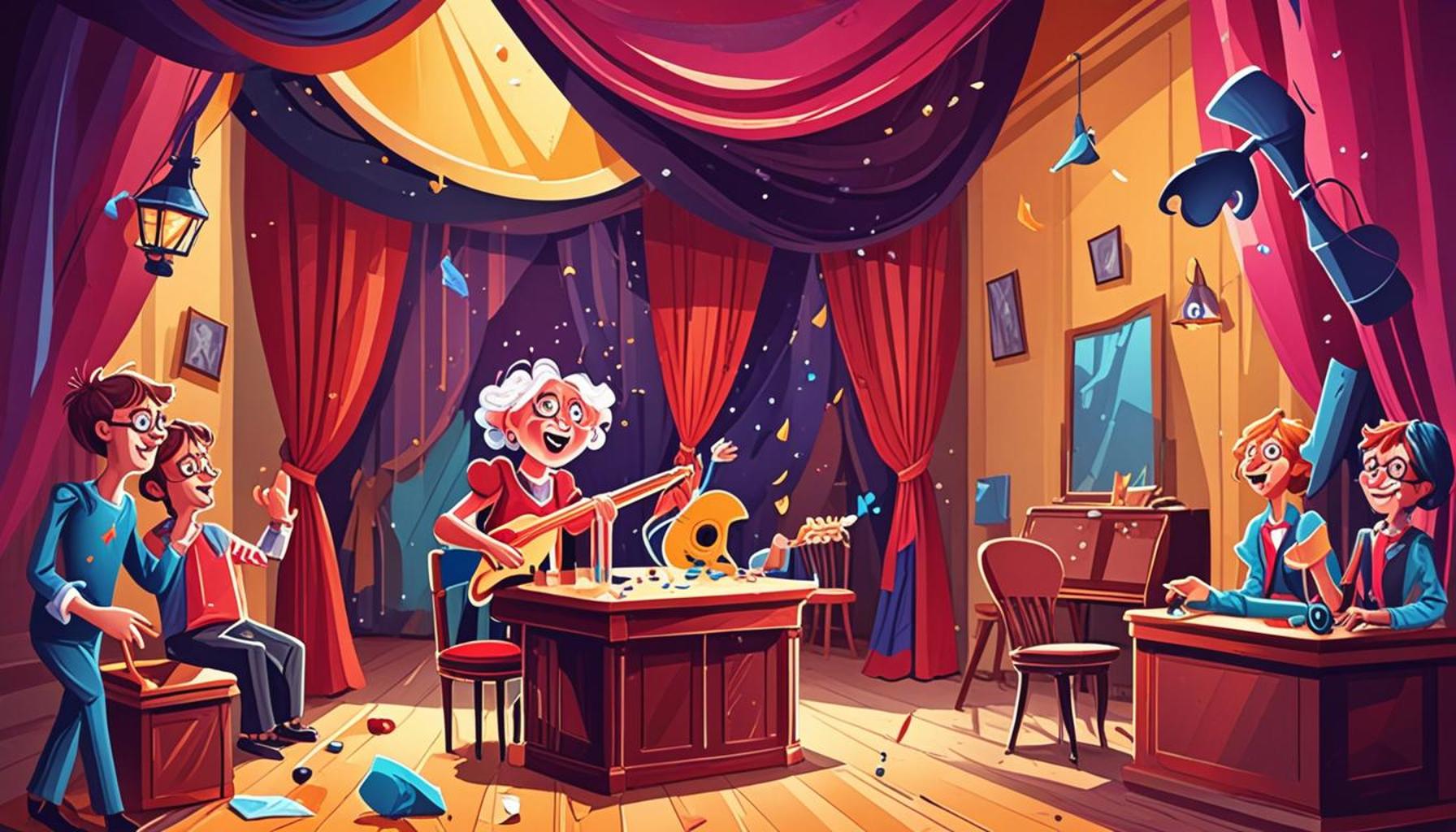
The world of theater and improvisation is more than just a platform for entertainment; it serves as a dynamic learning environment for individuals of all ages. Through creative expression, performers discover invaluable social and emotional skills that aid their development both on and off the stage. Whether it’s a child navigating their first school play or adults engaging in an improv workshop, the stage offers both a canvas and a mirror, reflecting personal and communal emotions.
Engaging in theatrical activities can:
- Enhance communication skills by encouraging articulation and active listening. This is essential not only for actors but also for individuals in everyday conversations. For example, the practice of delivering lines helps refine diction and clarity, while listening exercises in improvisation share techniques for responding thoughtfully to peers, fostering better dialogues in school and workplace settings.
- Boost confidence through public speaking and performance opportunities. Many people struggle with stage fright, but regularly stepping into a role can desensitize fear and build self-esteem. A striking example is seen in youth programs like “Theatre for Young Audiences,” where children learn to present their ideas and stories, which can translate into increased participation in class and beyond.
- Foster teamwork as participants collaborate to create compelling narratives. In ensemble settings, such as community theater productions, members must rely on one another’s strengths to bring a performance to life. This collaboration not only builds camaraderie but also teaches essential life skills in compromise, negotiation, and support—critical in any workplace or group setting.
- Strengthen empathetic understanding by stepping into diverse characters and perspectives. Theater encourages individuals to embody roles outside their experiences, facilitating a deeper appreciation for various life paths. For instance, participating in programs that feature characters from different cultural backgrounds can sensitize participants to the struggles others face, promoting inclusivity both on and off the stage.
In the United States, programs focusing on theater and improvisation are increasingly integrated into schools and community initiatives. Research highlights that these programs not only cater to artistic expression but also address critical social-emotional learning objectives. Organizations like the Educational Theatre Association advocate for curricular integration, emphasizing the importance of theater arts in nurturing well-rounded students equipped with essential interpersonal abilities.
By participating in theatrical experiences, individuals can cultivate resilience and adaptability—traits that are vital in today’s ever-changing world. The ability to take risks and learn from failures on stage translates into real-world confidence and problem-solving capabilities. As we explore how theater and improvisation can shape our social interactions and emotional intelligence, we uncover pathways for personal growth and community connection. Not only do these art forms entertain, but they also empower, engaging people in profound ways that contribute to the fabric of society.
DISCOVER MORE: Click here to learn about the transformation of art through technology
Connecting Through Creativity
At its core, theater and improvisation provide a unique platform for individuals to engage in collaborative storytelling, a process that not only entertains but cultivates essential skills for navigating the complexities of social interactions. This art form offers fertile ground for individuals to practice and refine their ability to communicate effectively, a skill that is increasingly important in our fast-paced digital age. Through scripts and spontaneous performances alike, participants learn to convey emotions and connect with diverse audiences, which is fundamental in enhancing emotional intelligence.
The interplay of character immersion and improvisational responses builds a richer understanding of oneself and others. In a typical theater workshop, participants may find themselves creating characters based on real-life personas or fully fictional constructs. Through this character creation process, they explore various emotional landscapes and social settings. This not only leads to a deeper understanding of empathy but encourages conversation among peers, highlighting the necessity of active participation and engagement in a community setting.
Key benefits of engaging in theater and improvisation include:
- Active Listening: Improvisation requires performers to be present and responsive to their fellow actors. This skill is invaluable, as it encourages participants to listen not just to words, but to the nuances of tone and body language. These active listening skills extend beyond the stage, fostering deeper connections in everyday life, where empathy and understanding are essential.
- Crisis Management: Theater often involves unexpected situations, requiring performers to think quickly on their feet. Participants learn to embrace uncertainty and adapt to changing circumstances, which cultivates resilience. This adaptability is crucial in real-world applications, such as conflict resolution in team environments, academic settings, or even personal relationships.
- Social Interaction: Ensemble performances are a microcosm of societal interactions. Working collaboratively with others promotes trust and dependency on teammates’ strengths, mirroring workplace dynamics. By navigating the challenges of teamwork, individuals develop the ability to negotiate, compromise, and ultimately function more effectively in social groups.
- Creative Problem Solving: In theater and improv, there are no set answers and every performance is unique. This encourages participants to approach challenges with a creative mindset, enhancing their ability to think outside the box. The skills gained from these experiences can fortify personal and professional decision-making abilities.
Incorporating theater and improvisation into educational curricula and community programs is increasingly recognized as an effective strategy to nurture social and emotional development. Studies indicate that students engaged in performing arts programs not only excel academically but also exhibit greater emotional maturity and interpersonal skills. As communities across the U.S. embrace these transformative practices, they pave the way for skilled communicators and confident leaders of tomorrow.
As we journey further into the heart of theater and improvisation, it becomes clear that these art forms present more than just a creative outlet; they lay the groundwork for building capable and emotionally intelligent individuals, empowering them to make meaningful contributions to society.
| Advantage | Description |
|---|---|
| Enhanced Empathy | Theater and improvisation allow participants to step into various characters, fostering empathy and understanding towards different perspectives. This can lead to better emotional intelligence in real-life interactions. |
| Improved Communication Skills | Engaging in performance art significantly boosts verbal and non-verbal communication skills. Through practice, individuals learn to articulate thoughts clearly and read body language, making them more effective communicators. |
The art of theater and improvisation is a profound avenue for personal growth, embodying not only creativity but vital social skills as well. As those involved immerse themselves in diverse roles, they cultivate a deep-seated empathy towards others, gaining insights into different life experiences and emotions. This not only enriches their understanding of human behavior but also enhances their ability to connect with diverse individuals.On the other hand, the interactive nature of performance fosters essential communication skills. Participants often find themselves honing the ability to express their thoughts both verbally and through body language. Learning to navigate a scene improvisationally sharpens quick thinking and adaptability, crucial elements in effective communication. As a result, individuals often leave these experiences with improved social interactions and a more nuanced understanding of emotional cues. Delving into theater and improvisation can therefore be transformative, providing a foundation for social and emotional skill development that radiates into various facets of life.
DISCOVER MORE: Click here for eco-friendly DIY inspiration
Empowerment Through Expression
The transformative power of theater and improvisation extends beyond the initial engagement of actors on stage or in rehearsal. At an individual level, these art forms bolster confidence, offering a safe canvas for self-expression. By stepping into another character’s shoes, participants often experience a newfound sense of agency. This exploration nurtures trust in one’s voice and perspective, a crucial element for effective communication in an increasingly interconnected world.
Moreover, the art of performance serves as a strong foundation for enhancing emotional regulation skills. The process of portraying various emotions on stage allows individuals to confront their feelings in a structured environment. For example, during improvisational exercises, participants might have to express fear, joy, or sadness spontaneously. This encourages not only acceptance of emotional diversity but fosters the ability to articulate these emotions clearly—a vital skill needed in both personal and professional engagements.
Research has demonstrated that engagement in theater programs significantly impacts participants’ self-esteem. A study by the Arts Education Partnership revealed that students involved in performing arts report higher levels of self-efficacy compared to their peers. The ability to perform in front of an audience, whether large or small, builds resilience and preparation for real-life situations that demand poise under pressure, such as job interviews or public speaking events.
In addition to personal growth, the communal aspect of theater is profound. Productions are not created in isolation; collaboration is essential for success. This collective effort teaches the importance of accountability. Participants must recognize their role in the group dynamic and commit to fulfilling it. As they navigate the intricacies of working with others, it fosters a sense of belonging—a basic human need that is crucial for fostering mental health.
In schools and community-based organizations, implementing theater and improv programs serves as a bridge for individuals from diverse backgrounds. For instance, youth engaged in a drama program within a monolithic school district might find common ground through performance, learning to appreciate different viewpoints and life experiences. This exposure to diverse narratives and cultures can dismantle barriers of misunderstanding and prejudice, fostering a more inclusive society.
The influence of theater extends to various age groups. In adult education, workshops centered on improvisation techniques are gaining traction, often focusing on corporate settings where effective communication is paramount. These sessions often emphasize the components of storytelling, which is essential for business presentations and pitches. Additionally, improvisational exercises in a workplace foster camaraderie and teamwork, resulting in improved workplace relationships and productivity.
Ultimately, the commitment to theater and improvisation is a commitment to social and emotional growth. With every scene rehearsed and each character brought to life, individuals hone skills necessary for meaningful interactions and cultivate a sense of empathy that resonates well beyond the stage. As society continues to face pressing social issues, fostering these skills through performance art is more crucial than ever, weaving threads of connection and understanding that are essential in our diverse world.
DISCOVER MORE: Click here to transform your old materials into art
Final Thoughts on the Role of Theater and Improvisation
The impact of theater and improvisation extends far beyond the realm of performance; it serves as a vital conduit for developing social and emotional skills that are paramount in today’s society. Through embracing the art of acting, individuals are not only able to express themselves but also learn to navigate the complex landscape of human emotions. This journey fosters unique competencies—from effective communication to emotional intelligence—equipping participants with the tools to thrive both personally and professionally.
As we have seen, engagement in these activities catalyzes self-esteem and resilience, empowering individuals to tackle life’s challenges head-on. The collaborative nature of theater builds a strong sense of community, bridging gaps between diverse backgrounds and creating an inclusive environment where empathy flourishes. This is especially vital in educational settings, where students can cultivate understanding and appreciation for varied perspectives.
In a world marked by rapid change and increasing social pressures, the skills honed through theater and improvisation are indispensable. They not only prepare individuals for high-stress situations but also enable them to foster genuine connections with others. As we continue to advocate for the inclusion of performing arts programs in educational curricula and community initiatives, we must emphasize their potential to transform lives by nurturing the social and emotional capabilities that are essential for our interconnected future.
In conclusion, theater and improvisation stand as beacons of hope for emotional growth and social cohesion. By investing in these vibrant art forms, we lay the foundation for a more empathic and resilient society, one where every voice is heard and valued. As we move forward, let us explore the wealth of opportunities presented by performance art, transforming not only ourselves but also the communities we inhabit.