Transforming Recyclable Materials into Art: Sustainable DIY Projects for the Home
The Importance of Creative Recycling
Our planet faces unprecedented environmental challenges, prompting a growing movement toward sustainability. One of the most appealing avenues within this movement is the practice of recycling everyday materials into remarkable art pieces. This approach empowers individuals to discover their creativity while also championing the important cause of sustainability.
Engaging in Sustainable DIY Projects
Participating in sustainable DIY projects allows anyone to engage with art on a personal level while being kind to the environment. By repurposing items that would typically contribute to landfill waste, individuals can craft unique, meaningful decor that not only beautifies their living spaces but also conveys awareness about the importance of reducing waste. Here are some innovative ways to incorporate everyday recycled materials into your art:
- Plastic Bottles: These versatile items can be transformed into planters, providing a home for your favorite indoor plants, or can be shaped into whimsical decorative sculptures. For instance, you can cut and paint plastic bottles to resemble flowers, adding a splash of color to any garden.
- Old Newspapers: With a little creativity, old newspapers can be used to create stunning papier-mâché masks or intricate decorative collages. In classrooms across the country, teachers are using these materials to inspire students, encouraging resourcefulness and artistic expression.
- Glass Jars: Before throwing them out, consider glass jars as potential candle holders or elegant vases for your seasonal flowers. By adding some craft paint or twine, you can give these jars a rustic finish that enhances your home’s ambiance.
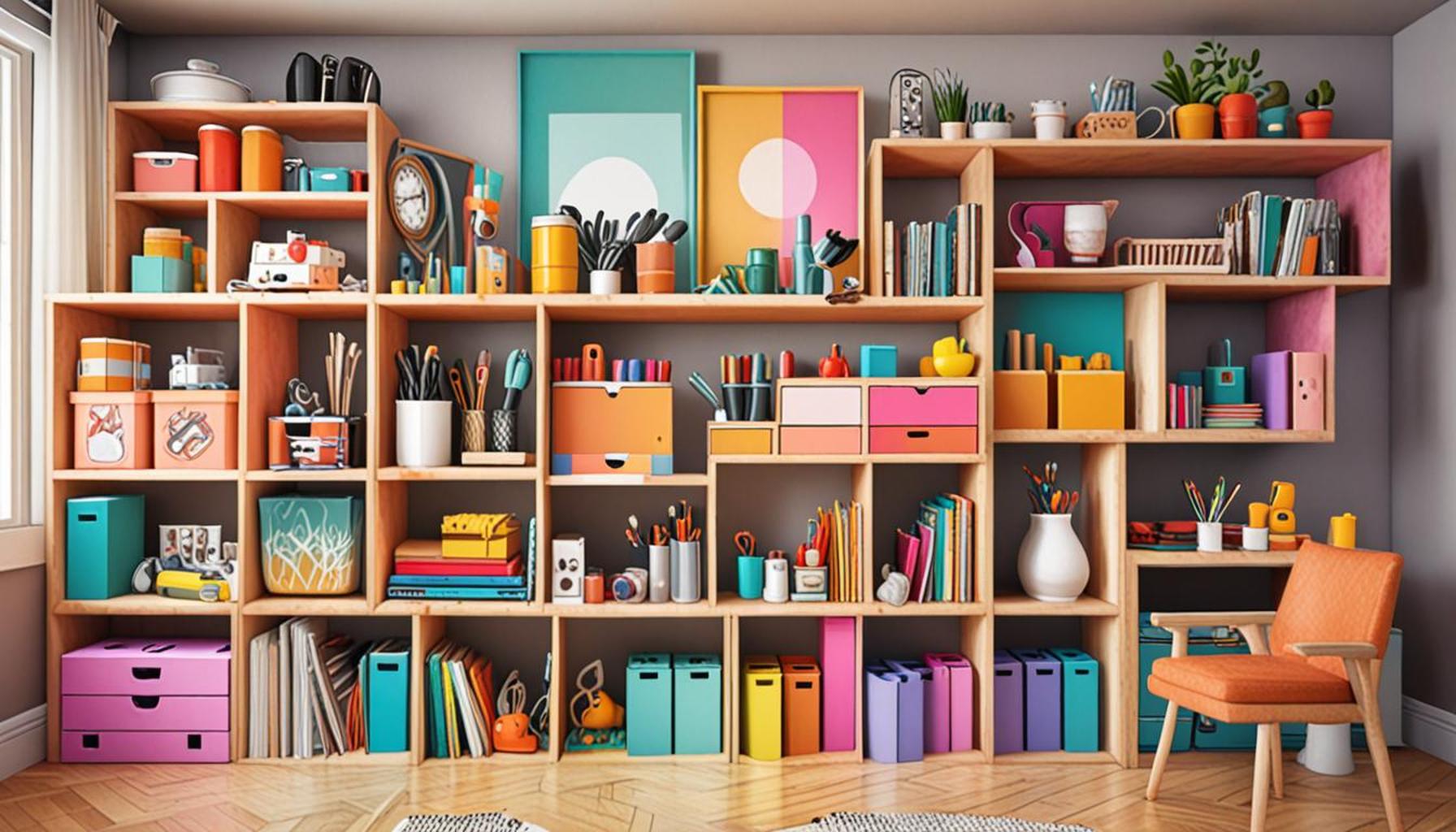
- Cardboard: With some time and effort, cardboard can be metamorphosed into custom furniture or eye-catching wall art. Projects such as cardboard shelves or intricate wall sculptures not only save money but also reduce the demand for new materials.
The Broader Impact
These creative endeavors extend beyond individual projects; they contribute to a larger global movement toward a greener lifestyle. By embracing sustainable DIY projects at home, you are not just crafting; you are also creating a platform to educate your family and friends about the profound benefits of recycling. When you share your creations on social media or invite friends over for a crafting session, you spark conversations about the importance of sustainability.
As you delve deeper into the world of reclaimed art, the possibilities become limitless. With every project, you can discover distinct styles that suit any home aesthetic, from minimalist designs to bohemian vibes. This blend of creativity and environmental consciousness offers a fulfilling and impactful way to create art that resonates with the pressing need for ecological stewardship. So, grab some recycling materials and unleash your inner artist—your masterpieces could inspire others to join the movement toward a greener future.
DIVE DEEPER: Click here to uncover the art of transforming emotions into words
Unleashing Your Creativity with Recyclable Materials
The world of sustainable DIY projects holds limitless potential for artistic expression using items that would otherwise be discarded. Transforming recyclable materials into art not only adds a personal touch to your home decor but also provides a unique opportunity to reduce your ecological footprint. By integrating creativity with environmental responsibility, this movement fosters a profound connection between the artist and their materials.
Embracing Everyday Items as Your Artistic Canvas
Many people underestimate the creative potential of items that regularly clutter our households. Below is a list of common recyclable materials and ideas on how you can creatively repurpose them:
- Tin Cans: Instead of tossing out empty soup or coffee cans, consider cleaning them and using them as versatile candle holders, flower pots, or even custom storage containers. Painted or adorned with fabric, they can add a pop of color and can be customized for any room.
- Textiles: Old clothes, curtains, and sheets can be cut and sewn into beautiful quilts, tote bags, or art pieces. Upcycling textiles not only keeps them out of landfills but also often produces items that hold nostalgic value, as they can carry memories of the original fabric.
- Wood Pallets: Often discarded after their initial use, wooden pallets can be deconstructed and transformed into furniture, such as coffee tables or shelves. For a quick project, consider painting the pallets and hanging them on walls as unique display units for photographs or small plants.
- Wine Corks: If you’re a wine enthusiast, collect those corks and repurpose them into coasters, bulletin boards, or decorative art installations. Their natural texture and varied colors make them perfect for adding a rustic touch to your home.
- Electronics Waste: Old circuit boards, keyboards, and wires can be creatively combined to create funky sculptures or wall art. Integrating technology into your art not only showcases innovation but also raises awareness about e-waste recycling, a growing concern in today’s digital world.
These projects not only highlight your artistic flair but also create a conversation starter in your home. With every handmade piece, you tell a story about sustainability and creativity that could inspire others to think twice before discarding their own materials.
Fostering Community Through Artistic Recycling
Beyond personal expression, recycling materials into art serves as a powerful means to potentiate community engagement. Organizing workshops or crafting sessions with friends and neighbors can spread awareness about the importance of sustainability while nurturing creative talents. Events that focus on transforming recyclable materials into art can galvanize communities to not only share skills but also emphasize the value of conservation and community building.
As the movement toward sustainability continues to gain momentum across the United States, artistic recycling emerges as an enriching and fulfilling way to engage with both your creativity and your community. Whether through personal projects or collaborative events, each endeavor paves the way for a greener lifestyle, transforming the mundane into something extraordinary.
Embracing Sustainability through Art: Transform Your Space
The movement towards sustainable living reaches far beyond recycling; it incorporates creativity, imagination, and sustainability into our home decor. By transforming recyclable materials into art, we not only contribute to environmental conservation but also add unique character to our living spaces. Each piece crafted from discarded materials tells a story and serves a greater purpose, which appeals to many eco-conscious individuals today.
Consider turning old glass bottles into stunning vases or lamps. They can be painted, wrapped in twine, or even adorned with LED lights to create a cozy ambiance. Not only does this project keep waste out of landfills, but it also offers a stunning focal point in your home. Another creative approach involves using scrap wood to build stylish and functional furniture pieces, such as side tables or shelving units, perfect for displaying your handmade artworks.
The Benefits of DIY Recyclable Art Projects
Engaging in DIY art projects provides numerous benefits. Firstly, these projects are cost-effective, as they utilize materials that would typically be discarded. Secondly, they encourage a deeper connection with our environment, promoting awareness of waste reduction. Furthermore, working on these projects can be an exhilarating family activity, fostering teamwork and enriching relationships.
Ultimately, embracing this sustainable lifestyle allows individuals to express their artistic talents while making a positive impact on the planet. The satisfaction derived from creating something beautiful from what was once considered trash is irreplaceable.
| Advantages | Sustainable Practices |
|---|---|
| Environmentally Friendly | Utilizing discarded materials reduces landfill waste. |
| Creativity and Personalization | Each project reflects your unique style and creativity. |
In exploring sustainable DIY projects, individuals can delve into a world where art, purpose, and environmental responsibility intertwine. This path not only beautifies our homes but also educates us on the value of reducing, reusing, and recycling.
DISCOVER MORE: Click here for insights on fostering creativity
Innovative Techniques for Artistic Recycling
As you delve deeper into the realm of sustainable DIY projects, incorporating innovative techniques can further elevate your art-making process with recyclable materials. These methods not only enhance your creations but also emphasize the importance of sustainability in the artistic journey.
Mixed Media Masterpieces
One of the most exciting aspects of recycling materials for art is the ability to experiment with mixed media. This technique involves combining different materials and mediums, allowing for a broader spectrum of creativity. For example, you can blend fabric scraps with cardboard, adding depth to collages or sculptures. The contrast of textures and colors fosters a unique aesthetic appeal that traditional art forms may lack. Additionally, it allows artists to use odds and ends from various sources, making the project more environmentally friendly.
Upcycling with Nature
Integrating natural elements into your art not only connects you with the environment but also celebrates the beauty of the outdoors. Incorporating twigs, stones, leaves, and even dried flowers can add an organic touch to your work. For instance, creating a wall hanging with twigs as the base and decorating it with pressed leaves promotes a biophilic design that resonates with many art enthusiasts. This form of eco-friendly art pays homage to nature while keeping the environment in mind.
Painting and Finishing Touches
Transforming recyclable materials often requires creative painting techniques to achieve a polished look. Use eco-friendly paints made of natural pigments or recycled content, which are less harmful and reduce environmental impact. Additionally, consider using stencils to create intricate designs or repurposing used paintbrushes creatively. You might even explore the art of decoupage, a technique that involves gluing decorative paper onto surfaces, allowing you to personalize items such as furniture or picture frames with your recycled materials.
Incorporating Technology into Your Projects
As technology evolves, there are numerous ways to fuse it with art through recycling. For example, incorporating 3D printing with recycled plastics has opened new doors for artists to experiment with design and functionality. Artists can create unique sculptures or functional objects by utilizing filament made from recycled materials. This modern approach offers a glimpse into the future of art, combining sustainability with innovation.
Hosting Art Challenges and Competitions
Engaging the community in artistic recycling can be as stimulating as the projects themselves. Consider proposing local art challenges that encourage community members to create pieces using only recyclable materials. This fosters healthy competition and inspires participants to experiment and innovate. By showcasing their work in community exhibitions, you can amplify the message of sustainability through art, raising awareness around recycling and conservation.
As you navigate the world of transforming recyclable materials into art, remember that the journey is as enriching as the final product. Every project paints a larger picture of sustainability and creativity, encouraging continuous exploration and dialogue around the ideas of reuse and ecological responsibility.
DISCOVER MORE: Click here to uncover the benefits of painting for mental health
Conclusion: Embrace the Art of Sustainability
As we’ve explored throughout this article, transforming recyclable materials into art offers not only an avenue for personal creativity but also serves as a powerful statement on sustainability. Engaging in sustainable DIY projects allows us to repurpose what would otherwise contribute to landfills, creating a significant positive impact on our environment. By utilizing innovative techniques such as mixed media, incorporating natural elements, and embracing eco-friendly materials, we can produce unique artworks that resonate deeply with both artist and audience.
Moreover, fusing technology with art, such as through the use of 3D printing, expands the possibilities while ensuring we remain mindful of our ecological footprint. Hosting community art challenges further magnifies this movement, sparking creativity and collective responsibility toward sustainability. The art born from these projects not only beautifies our homes but also serves as a testament to our commitment to conservation.
In essence, the journey of creating art from recyclable materials invites us to rethink our consumption habits and redefine our relationship with the world around us. As we continue to explore and innovate within this realm, let us remember that every brushstroke, sculpture, or installation—regardless of scale—contributes to a culture of sustainability and respect for our planet. So, gather those recyclables and embark on your artistic adventure; the possibilities are as limitless as your imagination.