Transforming Traditions: Cultural Handicrafts and Their Role in Preserving Identity
The Role of Handicrafts in Cultural Identity
Cultural handicrafts are more than mere objects; they embody the essence of community heritage and personal stories. Across the globe, including the United States, these artisan creations serve as vital links to diverse traditions, ensuring that cultural identities are not only retained but also evolved. In today’s fast-paced world, the significance of these crafts becomes increasingly evident.
Handicrafts play a crucial role in:
- Preserving local traditions: Each piece often reflects centuries of history and techniques handed down through generations. For example, Native American beadwork carries symbolism deeply rooted in tribal histories, while Appalachian quilting embodies the region’s storytelling tradition through vibrant patterns and intricate stitches. These crafts connect current generations with their ancestors, drawing a line through time that enriches the cultural narrative.
- Fostering community ties: Crafting brings people together, creating shared experiences and strengthening communal bonds. In many small towns, local craft fairs serve not just as marketplaces but as social gatherings where artisans share techniques and stories woven into their work. For instance, the craft of pottery in a town like Seagrove, North Carolina, has created a community of potters who collaborate and support each other on their artistic journeys, producing works that reflect the collective identity of the region.
- Encouraging sustainable practices: Many traditional crafts utilize local materials, promoting environmental responsibility. The practice of weaving baskets from grasses and reeds, as seen in the Gullah culture of the South Carolina coast, highlights resourcefulness and sustainable use of the environment. By grounding their work in local ecosystems, artisans are crucial advocates for environmental stewardship, ensuring that their crafts do not exploit but rather honor the resources they are derived from.
As globalization pushes unique traditions to the margins, handicrafts prove to be a powerful means of revitalization. These artisan crafts challenge the notion of cultural stagnation by integrating modern designs while retaining their original essence. For instance, contemporary textile artists may incorporate traditional weaving techniques with modern dye colors or patterns, thus appealing to a new generation while respecting the craft’s heritage. The ongoing evolution of handicrafts illustrates how art forms can adapt through innovation, reflecting contemporary identities while preserving their historical roots.
In this article, we will delve into how these cultural handicrafts not only represent the past but also play a pivotal role in shaping a collective future. By examining the stories behind these creations, we uncover their impact on fostering a rich tapestry of cultural identity in today’s diverse society. Handicrafts, in essence, are a mirror to our past, an anchor in our present, and a beacon guiding us into the future.
DISCOVER MORE: Click here for budget-friendly DIY decor ideas
Revitalizing Historical Techniques
The world of cultural handicrafts is a living canvas where traditional techniques meet modern demands, resulting in a dynamic interplay that redefines what it means to create art. Handicrafts such as weaving, pottery, and woodworking serve as portals into the past, revealing centuries-old practices that continue to evolve today. As artisans embrace the challenge of contemporary market trends, they breathe new life into age-old methods, paving the way for a renaissance of cultural expression.
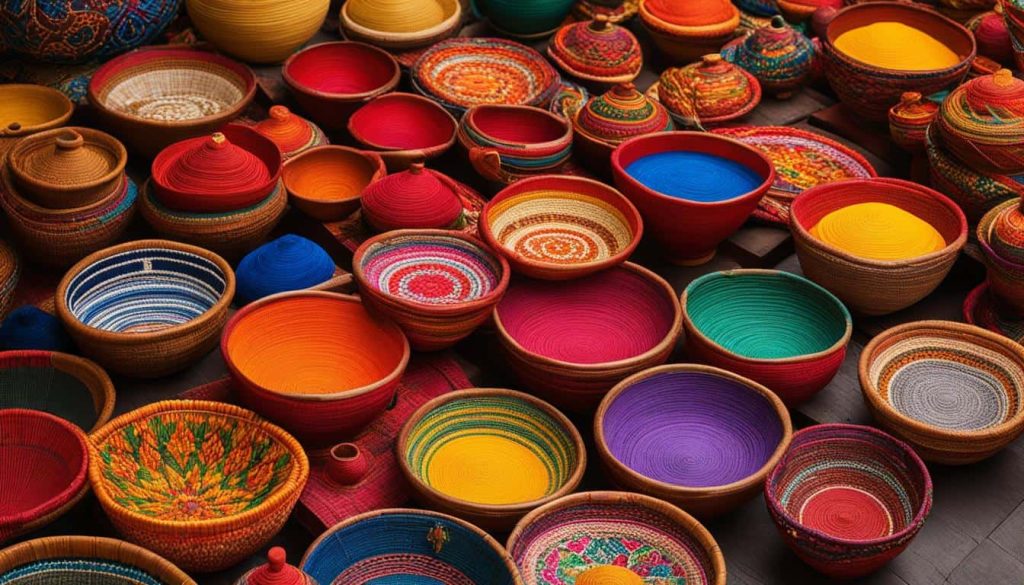
One striking example can be found in the vibrant world of Native American artisanry. Within various tribes, the art of basket weaving combines traditional materials with contemporary aesthetic sensibilities, creating functional art that retains cultural significance. From the intricate patterns of the Maidu tribe in California to the rich symbolism found in the Navajo tradition, each basket tells a story steeped in heritage and embodies the spirit of the maker.
Furthermore, in the heart of the Appalachian Mountains, the tradition of quilting has also seen a resurgence. Historically, quilts served as essential household items, but today, they are highly sought-after works of art. Many artists use quilting not only as a form of personal expression but also as a method of storytelling that links generations together. Events like the Quilters’ Reunion in Paducah, Kentucky, showcase this blend of traditional artistry with modern themes, reinforcing community ties while celebrating the history of this craft.
Handicrafts as Economic Empowerment
Cultural handicrafts also play a pivotal role in economic empowerment, particularly in rural areas where artisans often rely on these skills to provide for their families. By promoting local handicrafts, communities not only generate income but also build a self-sustaining ecosystem that keeps cultural traditions alive. For example:
- Local Markets: Craft fairs and local artisans’ markets have gained popularity across the United States, allowing artisans to sell their goods directly to consumers. These platforms not only showcase craftsmanship but also educate buyers on the stories behind each piece, creating a deeper appreciation for the art and the artisan.
- Collaborations: Many artisans collaborate with local businesses, such as boutiques and galleries, offering their cultural products in a wider marketplace. These partnerships help bridge the gap between tradition and modern consumerism, ensuring that artisans have a consistent audience for their work.
- Workshops and Education: Some artisans lead workshops that encourage community members to engage with these traditions, ensuring that skills and knowledge are passed down. These initiatives spark interest in younger generations, establishing a sense of pride in cultural heritage while providing practical skills for the future.
As we navigate the complexities of cultural identity in a rapidly changing world, it becomes apparent that the evolution of handicrafts is not merely about preserving the past. It signifies a transformative journey that molds cultural identities into something new, engaging, and economically viable. Handicrafts challenge us to rethink the narratives we associate with tradition, showing that they can be both adaptive and enduring, making them a significant aspect of our collective identity.
As we delve deeper into the significance of cultural handicrafts, it becomes evident that these artistic expressions serve as a vital link to identity and heritage. The intricate designs and techniques passed down through generations are not merely aesthetic; they carry stories and representations of communities that help define their unique cultural tapestry. Each piece often reflects local beliefs, historical events, and even geographical influences, making them a profound symbol of collective identity.Revitalization of Traditional Skills is another compelling aspect of cultural handicrafts. In a world where globalization threatens to dilute local cultures, artisans are rediscovering age-old techniques and incorporating them into modern practices. This blend not only preserves these skills but also enhances their relevance in contemporary markets. Notably, artisan cooperatives are facilitating this renewal, providing a platform for craftsmen to come together, share knowledge, and innovate while remaining grounded in tradition.Furthermore, the role of economic empowerment cannot be overlooked. Handicrafts often provide a sustainable source of income for many artisans and their communities. By promoting and purchasing these crafts, consumers are supporting local economies and encouraging the ongoing production of traditional practices. The intersection of craftsmanship and commerce highlights a critical dialogue about value—how we define and appreciate the cultural narratives behind each piece.The impact extends beyond just economic means; it fosters a sense of belonging and pride. When individuals and communities engage with cultural handicrafts, they cultivate a deeper appreciation for their heritage, ensuring that future generations understand their identity. Through educational programs and workshops, young artisans are inspired to take up the mantle of their forebears, perpetuating the craftsmanship that has been a cornerstone of their cultural identity for centuries.In this context, it’s vital to acknowledge the role of modern technology in elevating cultural handicrafts. Social media platforms, for instance, have emerged as powerful tools for artisans to showcase their work to a global audience. This visibility not only promotes their crafts but also invites dialogue and awareness about their cultural significance, further solidifying their importance in preserving identity. To explore more about the advantages of cultural handicrafts and their role in transforming traditions, consider the following table that provides a visual summary of key themes and benefits.
| Category | Description |
|---|---|
| Cultural Preservation | Handicrafts embody historical narratives, helping to maintain identity. |
| Economic Empowerment | Supporting local artisans contributes to community wealth and sustainability. |
As evident, cultural handicrafts are not just remnants of the past; they are dynamic elements shaping identity and community in the present while paving the way for future generations to embrace their heritage.
DISCOVER MORE: Click here to dive deeper
Connecting Communities Through Shared Craft
Beyond individual expression, cultural handicrafts serve as a powerful connector for communities, transforming into vehicles for cultural dialogue, understanding, and celebration. In neighborhoods across the United States, initiatives aimed at fostering community through shared crafting experiences highlight the role of handicrafts in forging social bonds and ensuring cultural continuity.
In cities like New Orleans, cultural festivals such as the French Quarter Festival showcase various handicrafts, from traditional brass band performances to local artisans presenting their crafts. The shared experience of both creation and appreciation fosters a vibrant sense of community, celebrating the city’s unique cultural heritage. These festivals not only provide opportunities for artists to showcase their work but also encourage dialogues between diverse cultural groups.
Another example can be seen in the rise of community studios and co-ops, where artisans from various backgrounds collaborate to share resources, knowledge, and skills. In urban areas like Chicago, initiatives aimed at creating inclusive spaces for artistic creation allow artists to connect with each other and with the broader community. These studios often host open-house events, inviting residents to participate in workshops or experience cultural crafts firsthand, strengthening neighborhood ties while preserving local traditions.
The Role of Technology in Handicraft Evolution
As we embrace an increasingly digital world, technology’s impact on cultural handicrafts cannot be understated. Social media platforms and online marketplaces have become essential tools for artisans seeking to establish a presence beyond their local communities. The growth of platforms like Etsy and Instagram have enabled even the most remote artisans to share their work, tell their stories, and connect with global audiences interested in authentic, handmade products with cultural significance.
- Virtual Workshops: Artisans are increasingly offering online classes, allowing participants from various locations to engage with traditional techniques. These virtual sessions are instrumental in teaching younger generations about their heritage while also opening avenues for international collaboration and friendship.
- Increased Visibility: The rise of hashtags dedicated to specific crafts or cultural movements has helped create online communities where artisans can share techniques, resources, and inspiration. For instance, hashtags that celebrate Indigenous artisans have gained traction, encouraging awareness of these crafts while driving consumers toward supporting ethical and culturally rooted products.
- Storytelling: Digital platforms empower artisans to share the narratives behind their crafts. Social media allows them to connect their products to larger cultural stories, enhancing buyer appreciation and interest. This connection can significantly influence purchasing decisions, as consumers are drawn to products infused with meaning and authenticity.
The integration of technology complements traditional crafting techniques without replacing them. Instead, it enhances these practices, demonstrating a unique synergy between heritage and contemporary innovation. As artisans harness digital resources, they position themselves to not only preserve their cultural identities but also reach new audiences eager to embrace the benefits of cultural handicrafts in today’s rapidly changing world.
DISCOVER MORE: Click here to enhance your mental well-being
Conclusion: The Lasting Legacy of Cultural Handicrafts
In an era where globalization and modernity often threaten unique cultural identities, cultural handicrafts emerge as vital expressions of heritage, creativity, and community. They encapsulate the stories, traditions, and skills that have been passed down through generations, functioning as a bridge between the past and the future. As seen in various festivals across the United States, from the vibrant streets of New Orleans to the collaborative spaces in Chicago, handicrafts not only preserve cultural narratives but also foster connections among diverse populations.
The integration of technology has revolutionized the landscape of cultural handicrafts, offering artisans new avenues to share their craft with a global audience. Platforms like Etsy and the rise of virtual workshops have empowered creators to adapt and thrive, promoting their rich traditions in innovative ways. This synergy between tradition and technology serves not just to market products, but as an essential means of storytelling, allowing the voices of artisans to resonate far beyond their local spheres.
As we navigate an increasingly interconnected world, it becomes imperative to champion cultural handicrafts. By supporting artisans and engaging with their stories, we contribute to a collective effort of preserving identity and celebrating diversity. Cultural handicrafts are more than mere products; they are living embodiments of a community’s spirit, inviting us all to partake in a shared journey of discovery, understanding, and appreciation. As consumers, educators, and advocates, we hold the power to ensure these transformative traditions continue to flourish, enriching our cultural landscape for generations to come.