Trends in Digital Craft: How Technology is Transforming Handmade Crafts
The Influence of Digital Technology on Handmade Crafts
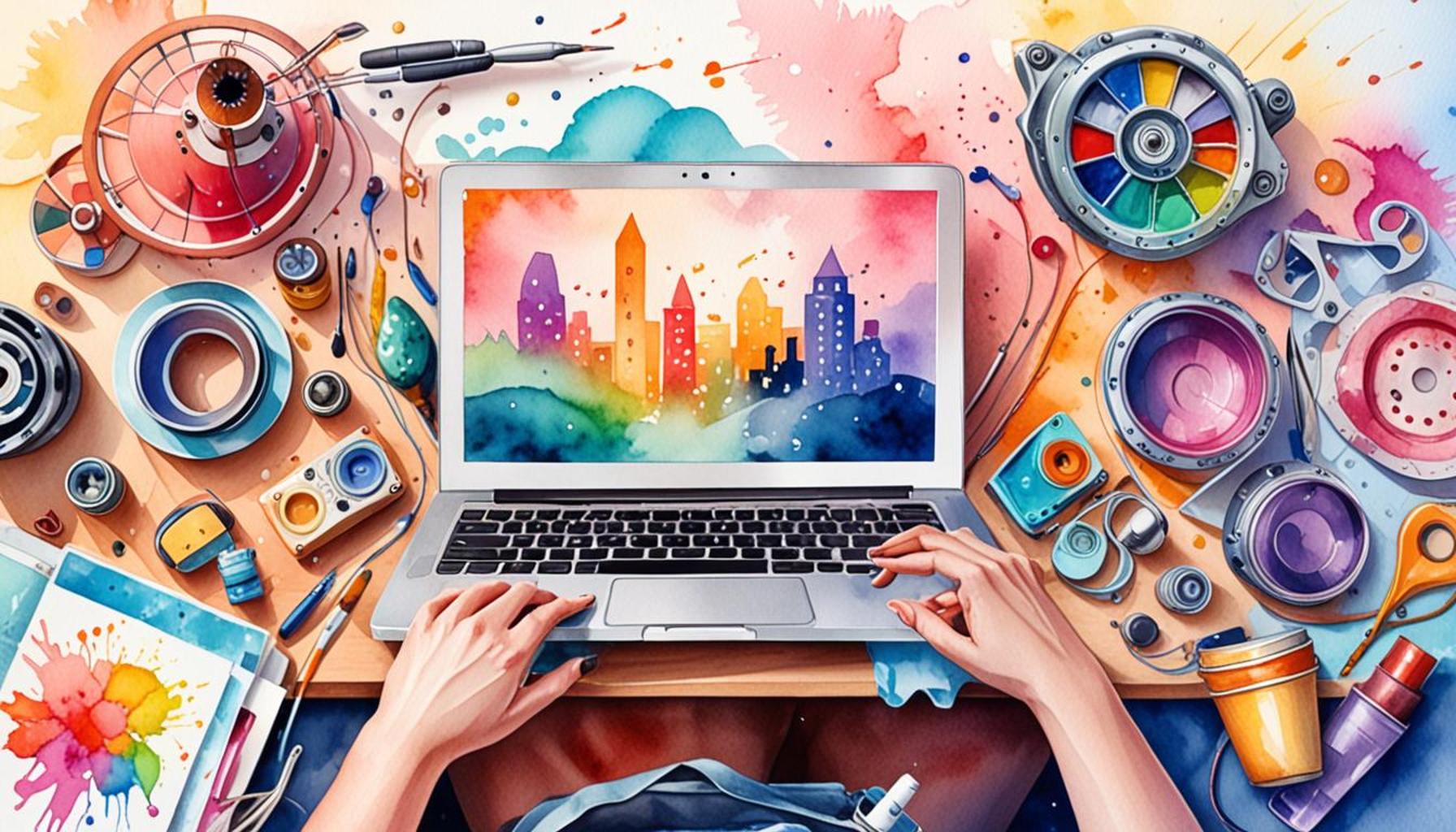
In today’s rapidly evolving landscape, digital technology has emerged as a transformative force within the realm of handmade crafts. This integration of tech and tradition is radically redefining how artisans approach their craft, bringing more accessibility, creativity, and market opportunities to practitioners at every level. As we explore this synergy, it becomes clear that the implications for the crafting community are extensive.
- Online Communities: Platforms such as Etsy and Pinterest have revolutionized the way artisans interact with their audience. They not only provide a marketplace for selling handmade goods but also serve as critical hubs for sharing knowledge and inspiration. For instance, a ceramicist from Oregon can showcase their unique pottery designs, while simultaneously engaging with a global audience of craft enthusiasts looking for innovative ideas. These online communities foster connections that transcend geographical boundaries, enabling artisans to collaborate and experiment with new styles and techniques.
- Advanced Tools: The advent of technologies like 3D printers, laser cutters, and CNC machines allows crafters to experiment with complex forms and precision that were previously unattainable. For example, a jewelry maker can rapidly prototype intricate designs with a 3D printer, reducing production time and waste while enhancing creativity. This accessibility to advanced manufacturing techniques empowers artisans to push the boundaries of their craft, merging artistry with technology in unprecedented ways.
- Educational Resources: In the digital age, resources for learning and skill development are more abundant than ever. Websites offering tutorials, webinars, and online courses provide opportunities for crafters to hone their skills from the comfort of their homes. For instance, platforms like Skillshare and YouTube host countless instructional videos covering everything from knitting basics to advanced woodworking techniques. This easy access to knowledge is paramount for both seasoned crafters and newcomers who wish to refine their abilities and foster their creativity.
As consumer preferences shift toward appreciating unique, handmade products, the demand for innovative crafting solutions continues to rise. Artisans are finding that embracing technology does not equate to losing authenticity; rather, it can enhance their craft while maintaining its traditional roots. This blend not only boosts creativity but also expands market reach, paving the way for craftspeople to flourish in this digital era.
In summary, the integration of digital tools with handmade crafts is creating a vibrant ecosystem where innovation and tradition coexist harmoniously. This ongoing evolution invites artisans to explore new possibilities and cultivates a unique crafting culture that is adaptable and resilient. Exciting developments are on the horizon, and as the crafting community navigates this landscape, the potential for creative expression seems limitless.
DIVE DEEPER: Click here to discover the power of music and dance
Redefining Craftsmanship: The Intersection of Tradition and Technology
The rise of digital technology in the craft world is not only reshaping the way artisans create but is also influencing consumer behavior and preferences. With the growing capabilities of the internet and modern manufacturing tools, there is a paradigm shift taking place that values both quality and innovation. Artisans around the country are finding that incorporating advanced technology into their processes allows them to enhance their craftsmanship, making their products not just unique, but also more aligned with contemporary demands.

One of the most striking developments in this digital crafting revolution is the proliferation of DIY videos and tutorials available on platforms like TikTok and Instagram. These short-form videos allow crafters to share their techniques, styles, and completed works in an engaging format. In the United States, the popularity of these platforms has given rise to a community where artists can not only showcase their completed projects but can also mentor aspiring crafters in real-time. This shift has led to an increase in grassroots movements promoting local crafts, as well as a surge in the popularity of hands-on workshops, which often blend digital instruction with physical practice.
Marketplaces and E-commerce Evolution
At the same time, the e-commerce landscape for handmade crafts has been transformed. Online platforms like Etsy, Craftsy, and Amazon Handmade enable artisans to reach customers worldwide, effectively tapping into a global market. This exposure comes with its challenges, such as intense competition and the need for effective digital marketing strategies. However, it also presents immense opportunities for makers to position their brand effectively and stand out through storytelling and distinctive product offerings.
- Global Reach: Artisans can now sell their items to customers across the globe, breaking down traditional barriers and catering to diverse tastes and preferences.
- Data-Driven Insights: Sellers can access analytics that provide insight into consumer behavior, enabling them to adapt their offerings based on trends in demand.
- Social Media Marketing: Platforms such as Instagram and Facebook serve as powerful tools for not only showcasing products but engaging with customers directly through live events and Q&A sessions.
This digital environment nurtures a culture of experimentation. Craft businesses can quickly test new ideas, gather feedback, and pivot based on customer tastes. Furthermore, artisans are increasingly turning to customization as a selling point. Technology allows them to offer personalized products that cater to individual preferences, whether through bespoke engravings, tailored colors, or unique materials.
As we delve deeper into the impact of digital tech on the world of handmade crafts, it becomes evident that these trends are paving the way for a future where creativity knows no limits. The fusion of traditional skills with modern tools not only celebrates craftsmanship but also propels it into an exciting new era of possibilities.
| Category | Key Features |
|---|---|
| Digital Tools | Software and apps that enhance creative processes |
| Accessibility | Easier access to resources and a broader market reach |
Among the defining trends in digital craft, the integration of digital tools stands out prominently. Designers now have access to advanced software and applications that significantly enhance the creative process. For instance, programs that allow for 3D modeling are revolutionizing how artisans conceptualize and create their products, leading to heightened creativity, efficiency, and accuracy.Moreover, accessibility within the crafting community has transformed thanks to technology. Artisans can now leverage social media platforms and online marketplaces to showcase their work to a global audience. This broader market reach not only fosters competition but also encourages collaboration among creators worldwide. With e-commerce tools readily available, even small-scale craftspeople can achieve noteworthy sales and gain recognition, enabling them to turn passions into sustainable incomes. As a result, we see a burgeoning community that transcends geographical barriers, thriving in a digital-first landscape.
DISCOVER MORE: Click here to delve into the evolution of digital painting
Innovation in Tools and Techniques: Embracing the Digital Age
The impact of technology on handmade crafts extends far beyond mere marketing and sales. Innovative crafting tools have emerged, revolutionizing the way artisans create their work. From 3D printing to laser cutting, these tools are enabling new forms of artistic expression while streamlining production processes. This evolution allows artisans to push the boundaries of traditional crafts, creating intricate designs that were previously unfeasible by hand.
3D printing, for example, has opened up a world of possibilities for artisans. By utilizing this technology, crafters can produce complex shapes and structures that would be arduous to create manually. This not only expands their creative horizons but also encourages sustainable practices; makers can prototype designs quickly and efficiently, minimizing waste. Additionally, as 3D printing material options continue to grow—from biodegradable plastics to metal—artisans are not limited to traditional materials, inviting a fresh perspective on crafting.
Similarly, laser-cutting technology allows for precision and detail that enhances the quality of handmade items. Artists can design intricate patterns or personalized designs with stunning accuracy. For instance, crafters producing goods such as jewelry or home decor can add bespoke engravings that differentiate their products in a saturated market. As these tools become more accessible, they democratize the crafting process, allowing even novice artisans to create professionally polished items.
Augmented Reality: A New Dimension of Crafting
Perhaps one of the most exciting developments in the digital crafting landscape is the rise of augmented reality (AR) applications. Tools that incorporate AR technology enable users to visualize their projects in a real-world context before they even begin crafting. For example, applications allow users to see how a piece of furniture will look in their home or how a piece of art will fit on their wall. This enhancement not only boosts customer engagement but also increases the likelihood of sales, as consumers can see the potential of the product firsthand.
This intersection of AR and crafting emphasizes a more interactive shopping experience, which is especially valuable in an online marketplace where physical touchpoints are nonexistent. Additionally, workshops and collaborative spaces are embracing AR to offer immersive learning experiences. Imagine participating in a workshop where you can visualize design options in real-time as you learn new techniques—this innovative approach turns traditional crafting into an engaging experience that blends learning with technology.
Collaboration Beyond Geographic Boundaries
The world of crafting has long fostered a spirit of collaboration, and technology is amplifying this trend. Digital platforms enable artisans from diverse backgrounds to connect, share ideas, and co-create without the limitations of geography. Online forums and social media groups serve as breeding grounds for creative partnerships, allowing crafters to source knowledge and inspiration from each other.
- Cross-Pollination of Ideas: Crafters can incorporate elements from various styles and traditions, resulting in innovative products that reflect a fusion of cultures.
- Global Collaboration: Artisans can work together on projects, pooling resources and expertise to create unique products that appeal to broader audiences.
- Virtual Events: Online craft fairs and collaborative workshops enliven the community, providing networking opportunities and showcasing the limitless possibilities of collaboration.
As technology continues to evolve, so too does the landscape of handmade crafts. By embracing these advancements, artisans are not only preserving the essence of traditional crafts but are also ushering them into a new and exciting era, where creativity and innovation go hand in hand.
DISCOVER MORE: Click here to unlock the power of storytelling
Conclusion: The Future of Digital Craft
In conclusion, the convergence of technology and handmade crafts is redefining the landscape for artisans worldwide. As we explored, the integration of innovative tools such as 3D printing and laser cutting not only enhances artistic capabilities but also promotes sustainability and efficiency in production. The ability to visualize projects using augmented reality (AR) brings a transformative approach to crafting, enhancing consumer experience and providing a new avenue for engagement in an increasingly digital marketplace.
Furthermore, the rise of global collaboration through digital platforms signifies a noteworthy shift in the crafting community. Artisans are no longer bound by geography; they are empowered to share ideas and co-create, resulting in a diverse fusion of styles that enriches the crafting tradition. This cross-cultural exchange opens up infinite possibilities, encouraging experimentation and innovation in handmade crafts.
As technology continues to evolve, so too will the potential for handmade creations. Artisans who embrace these tools are well-positioned to thrive in a dynamic market, merging tradition with modernity. For those in the crafting world or those just beginning their journey, it is a promising time to explore the myriad possibilities that the digital age has to offer. Looking ahead, it’s essential to consider how these trends will further influence not only the craft industry but also our understanding of creativity and artistry.
Ultimately, the fusion of technology and craftsmanship invites us all to reimagine the way we create, connect, and celebrate the handmade. As we navigate this exciting landscape, there lies a unique opportunity to not only preserve the art of crafting but to elevate it to unprecedented heights.